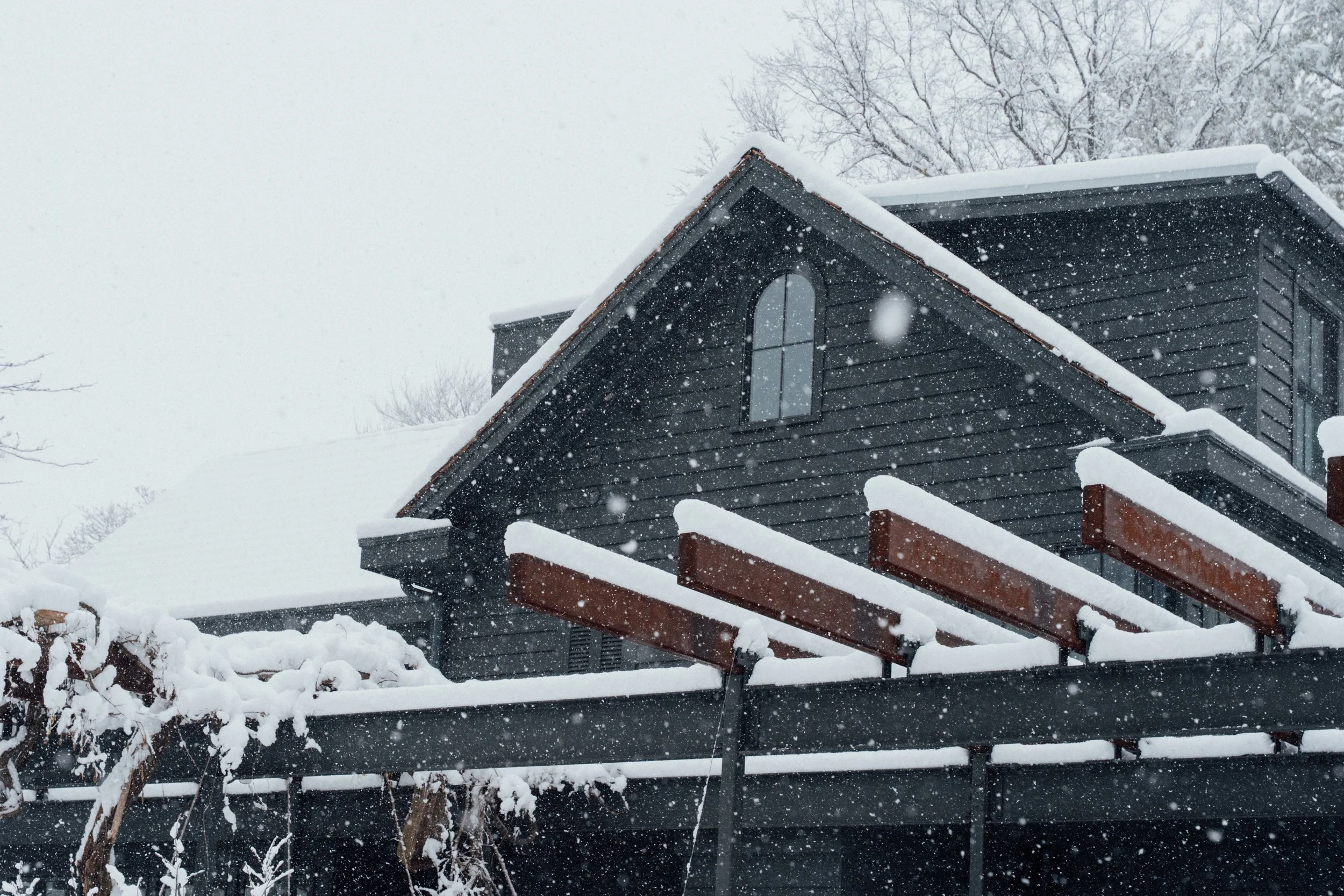
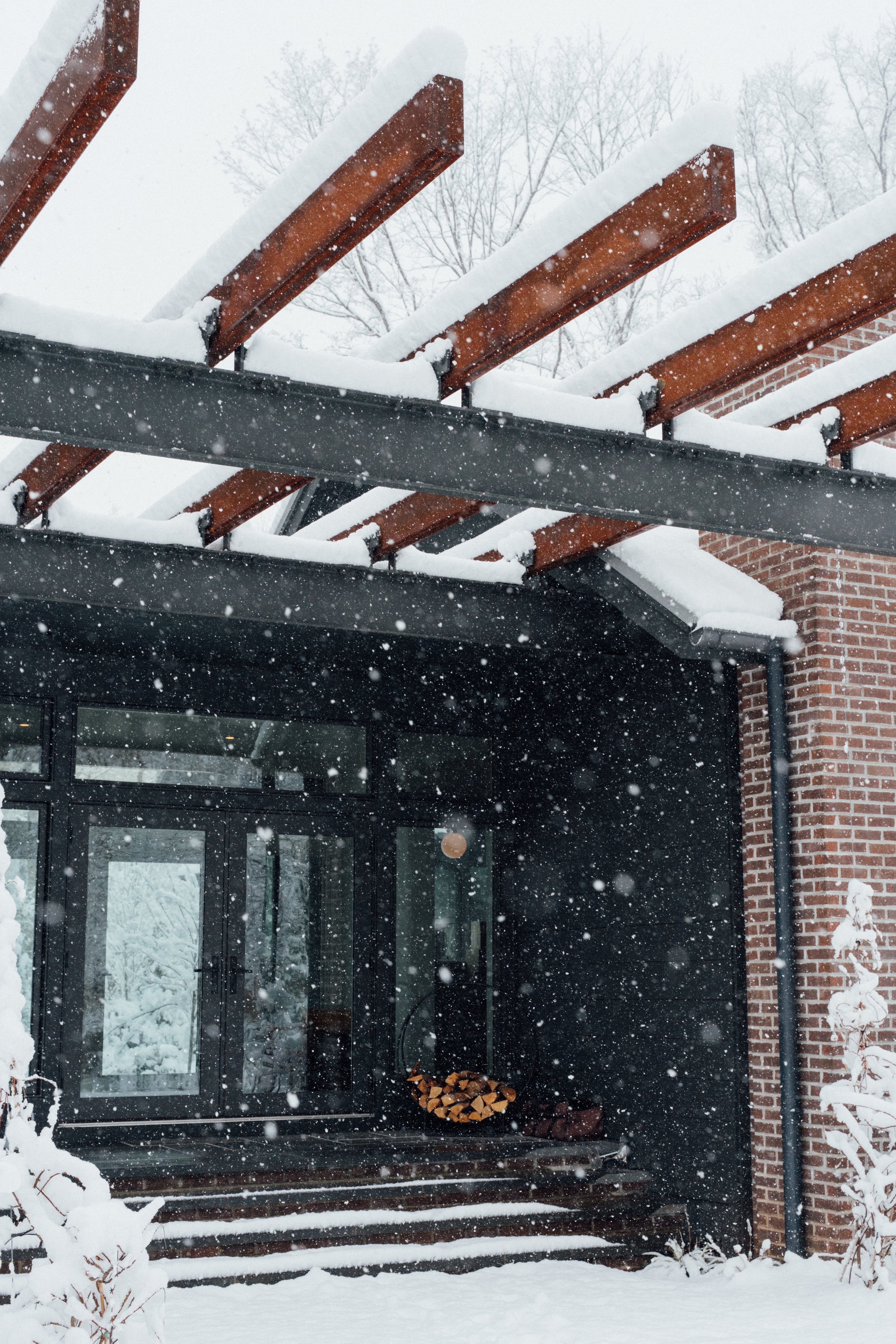
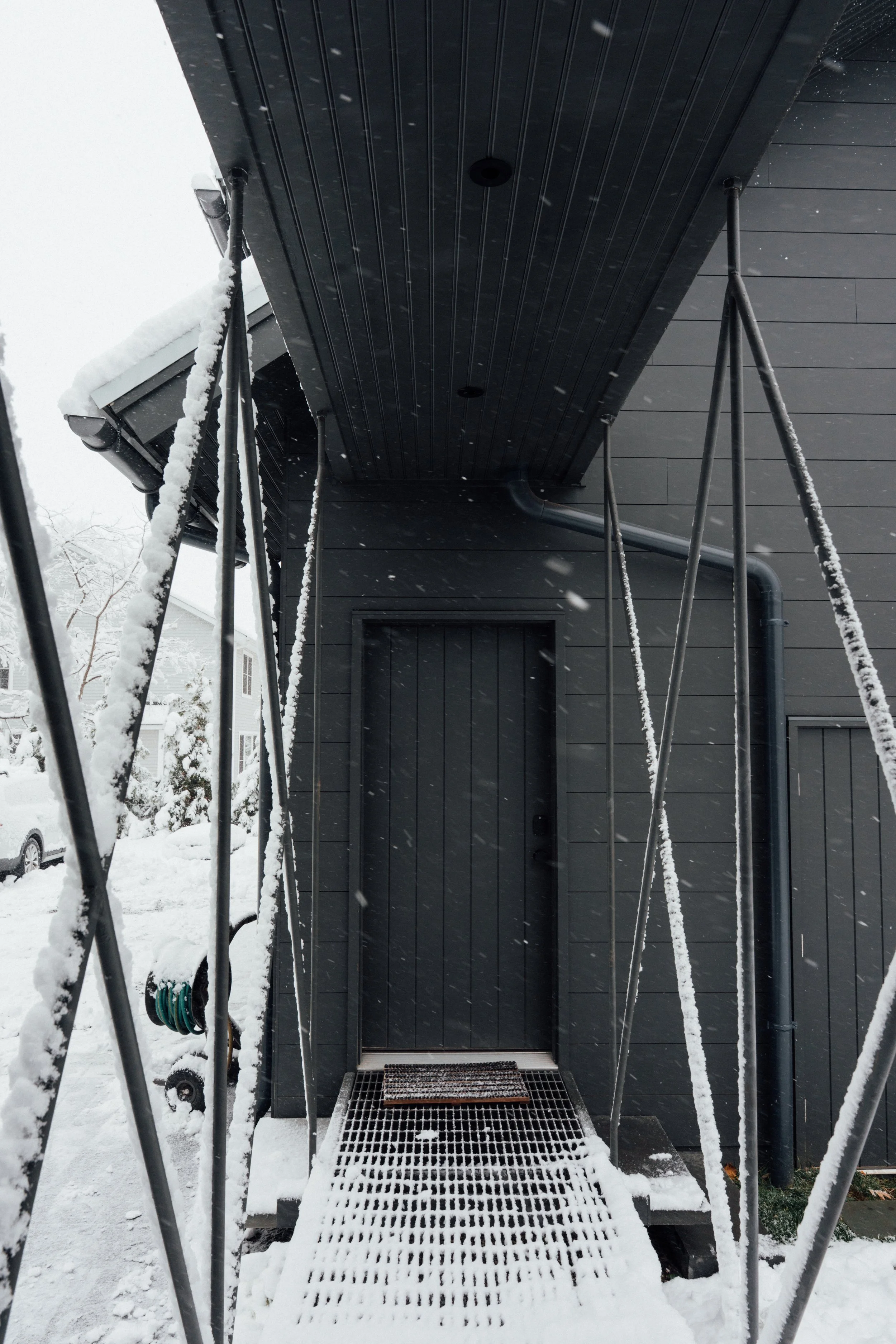
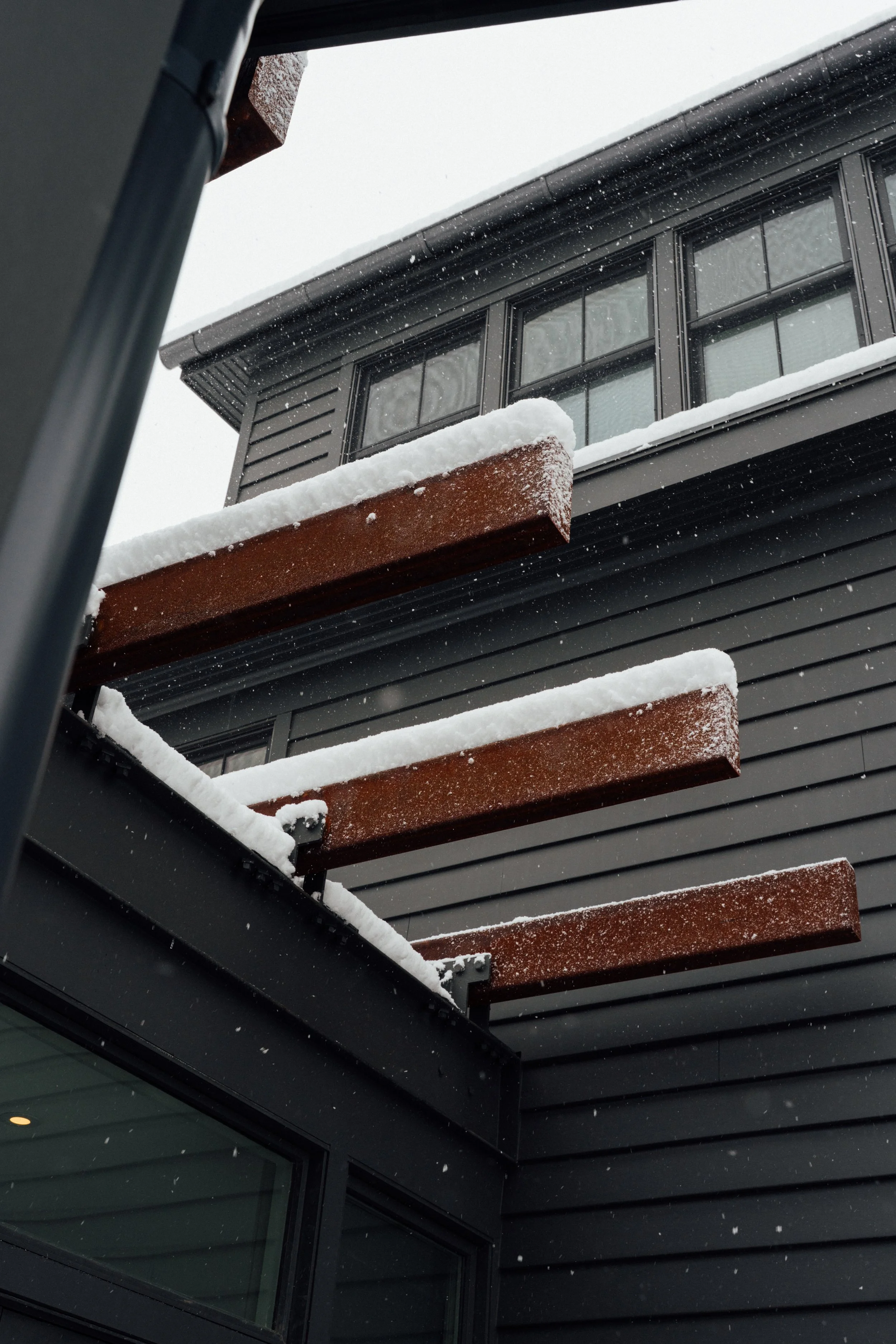
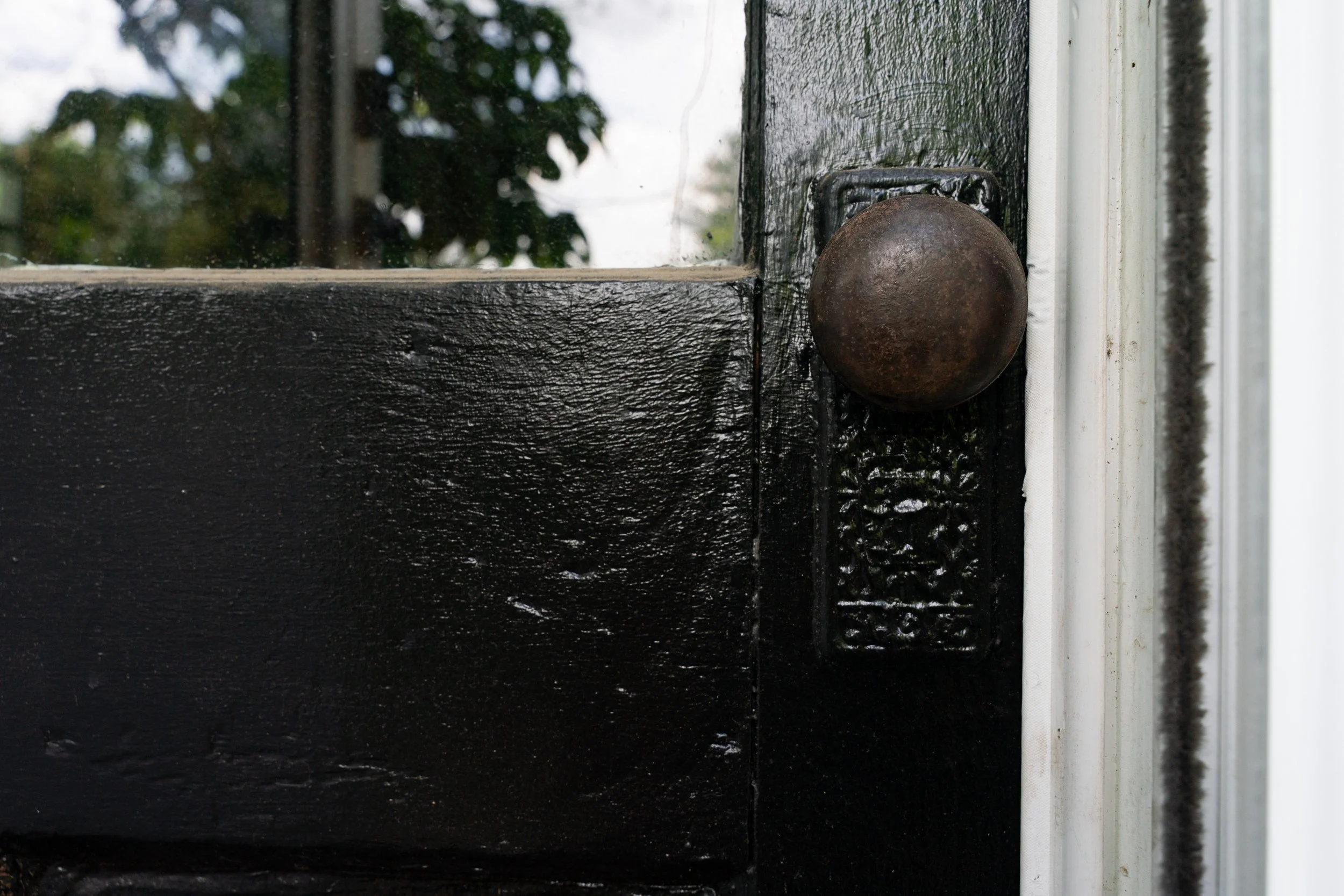
Contemporary Restoration of a 19th Century Home
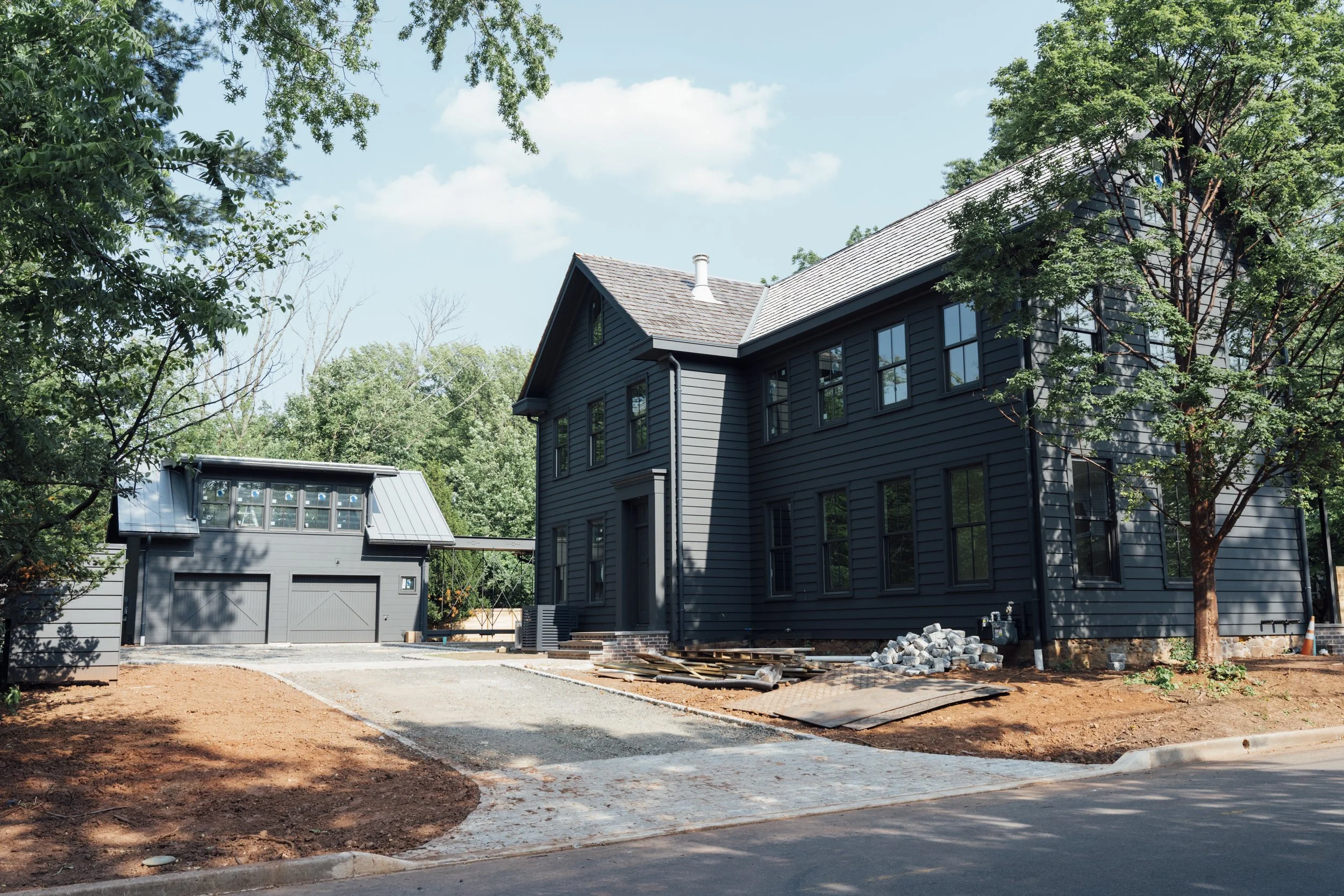
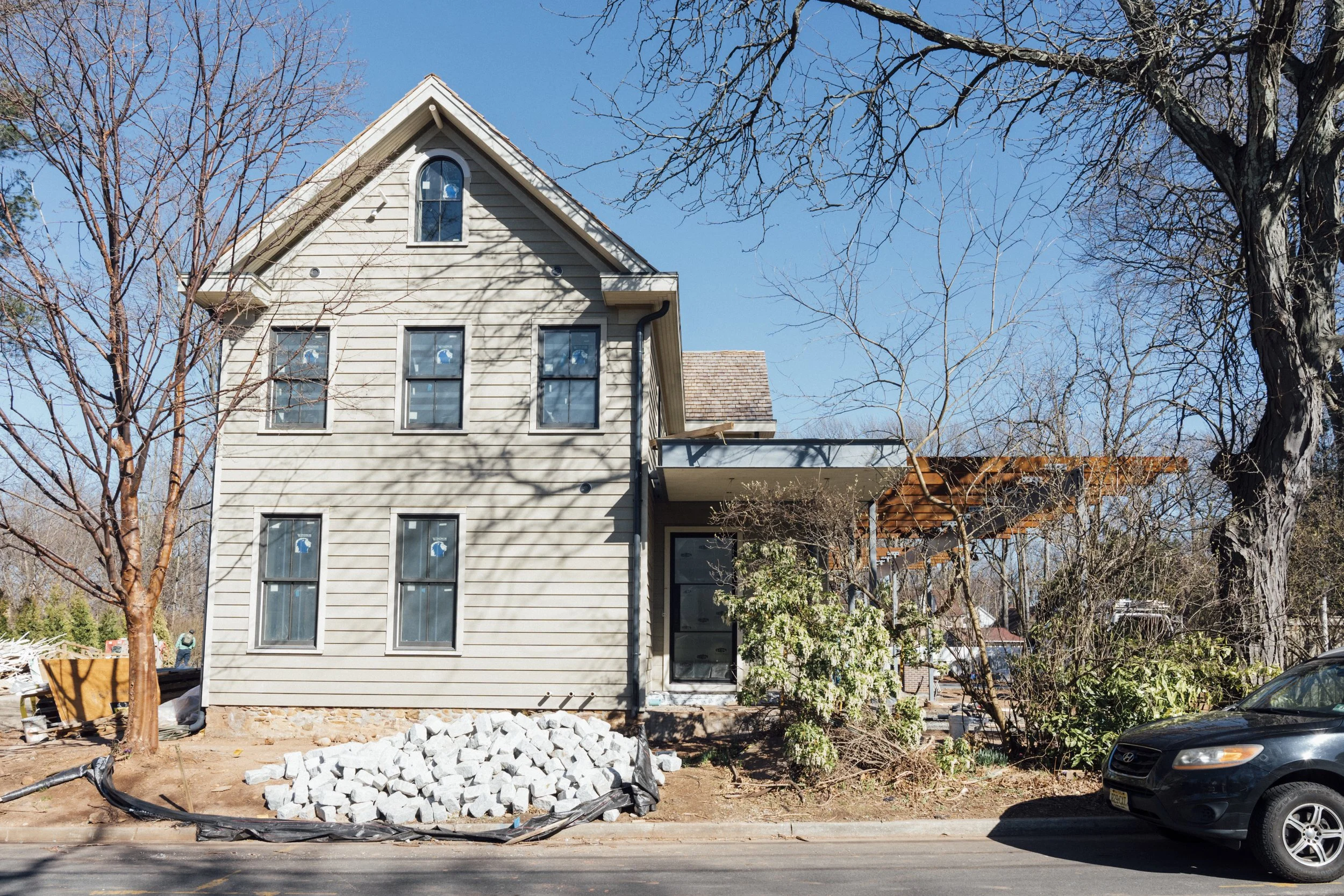
Set on a quiet residential street in Metuchen, New Jersey, this project began not with the desire to replace a historic structure, but with the belief that it was still worthy of care.
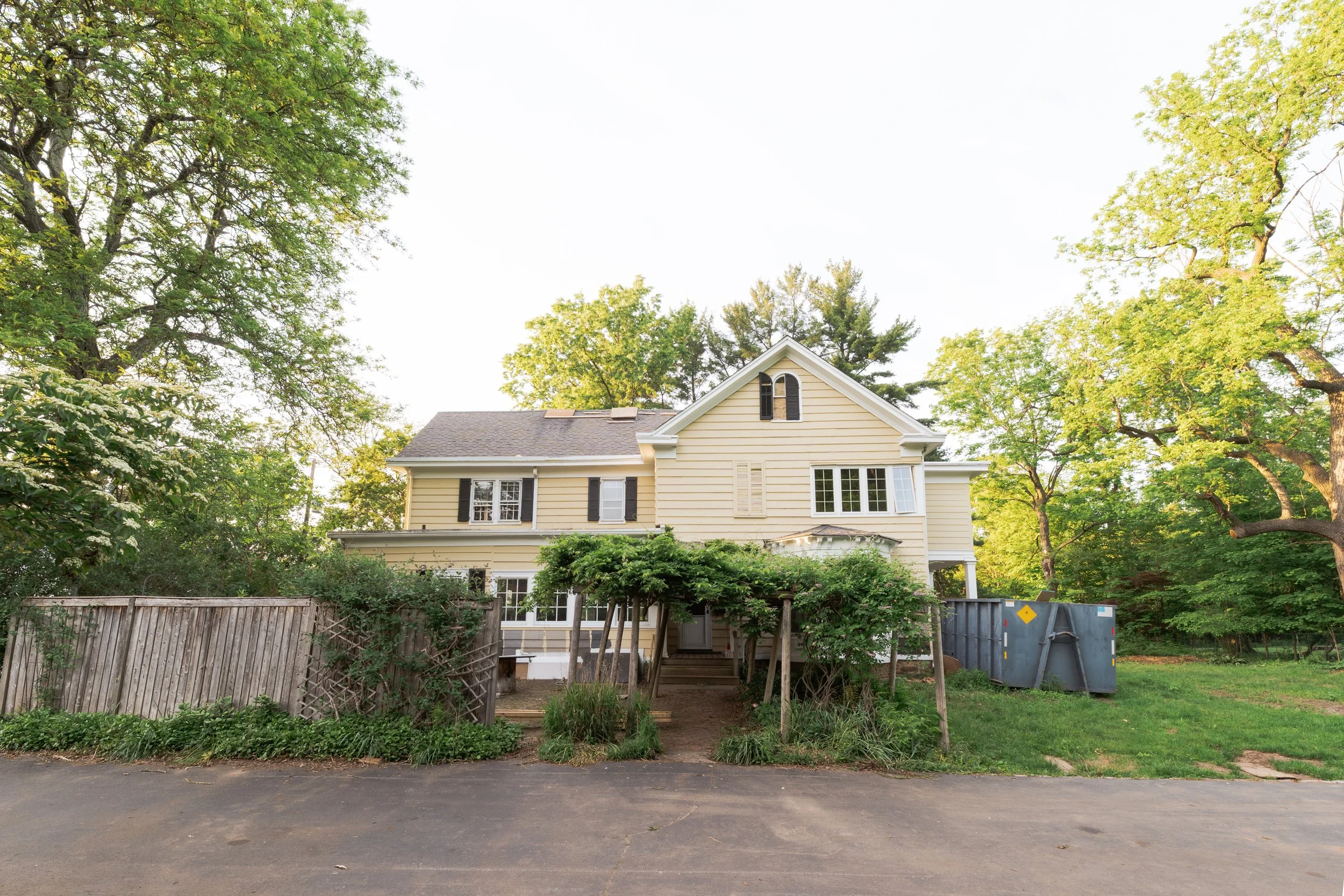
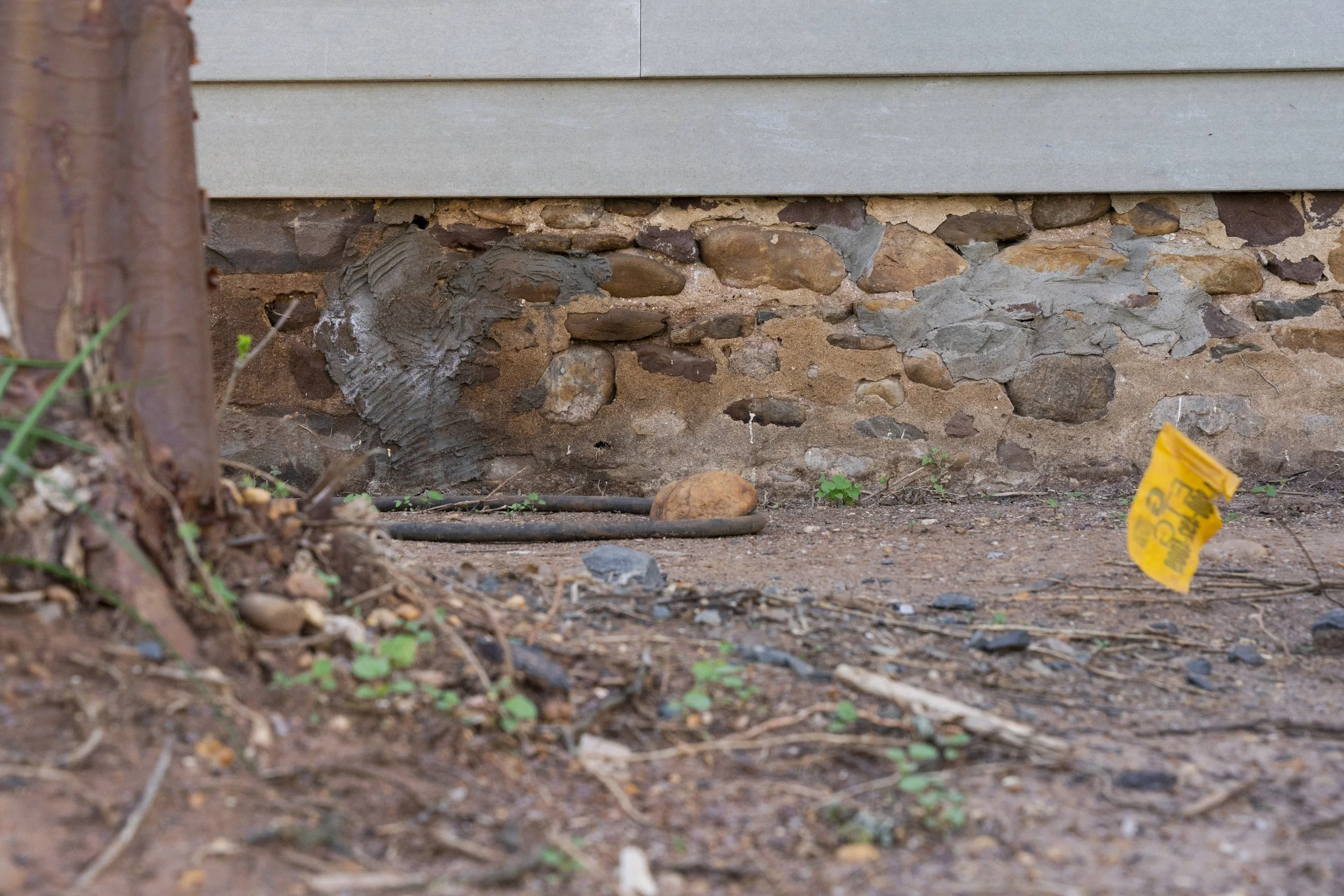
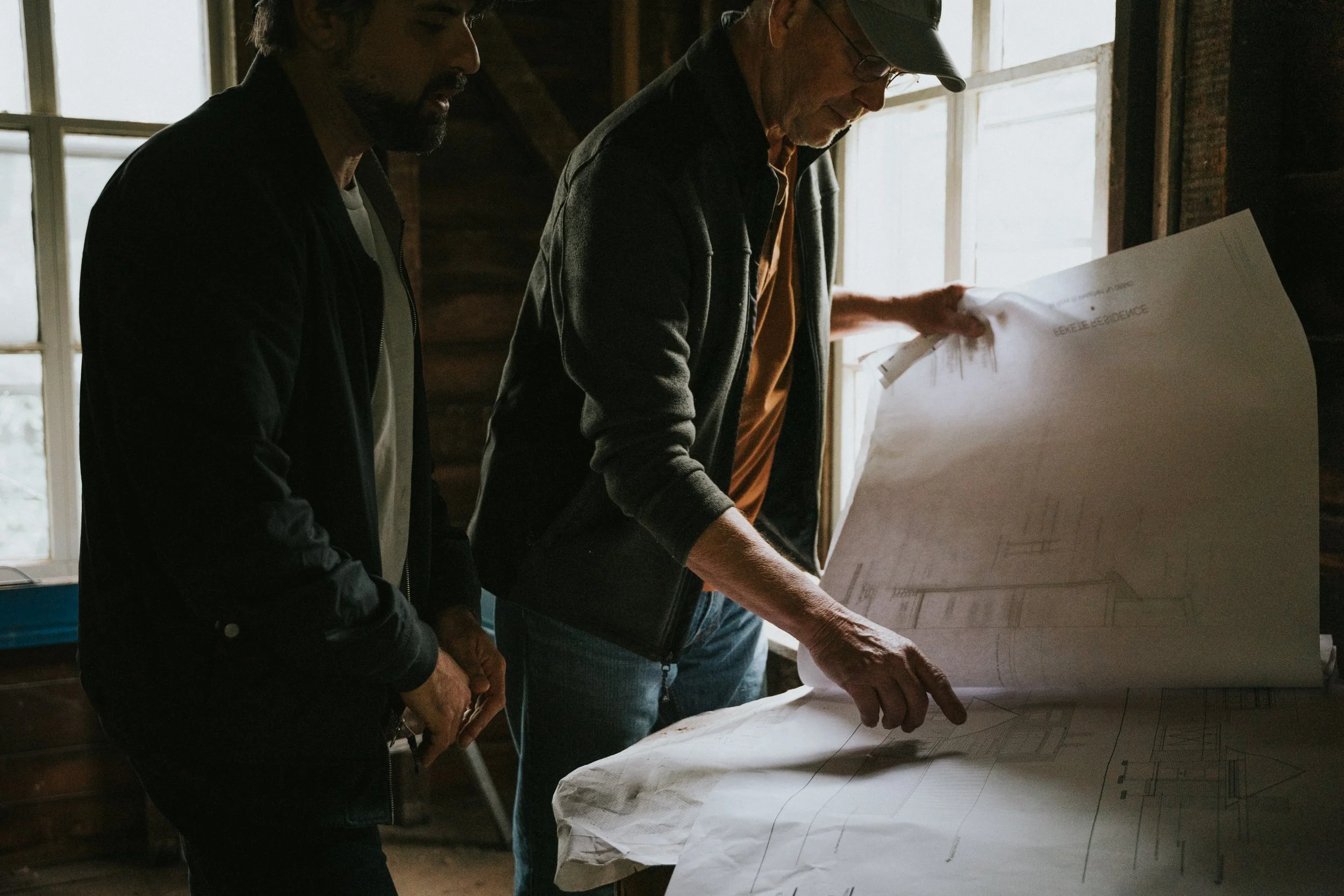
Rather than pursuing demolition, architect Gideon Gelber approached the 202-year-old home with an ethic of stewardship — preserving the spirit and physical memory of the home while allowing it to evolve for contemporary family life.
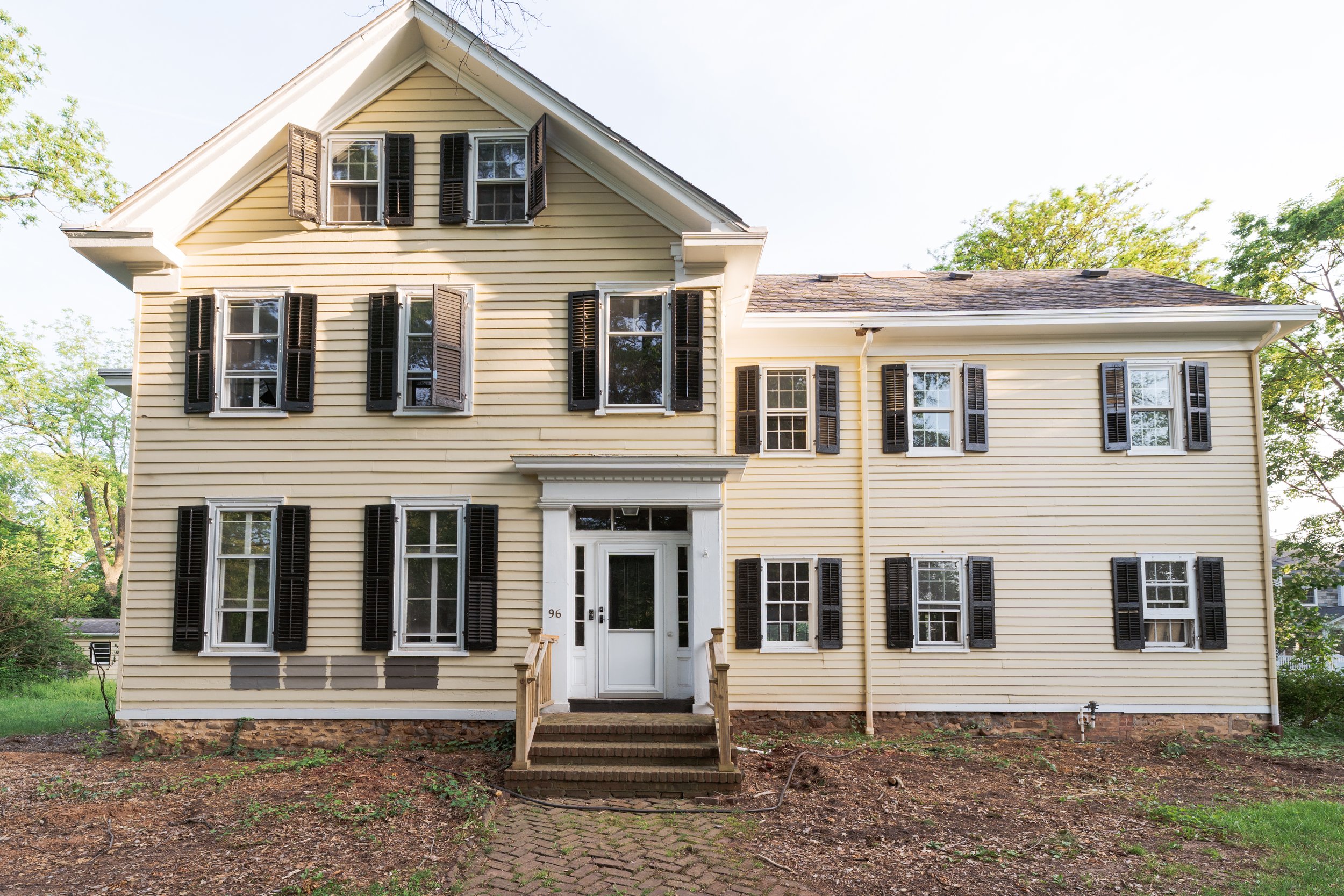
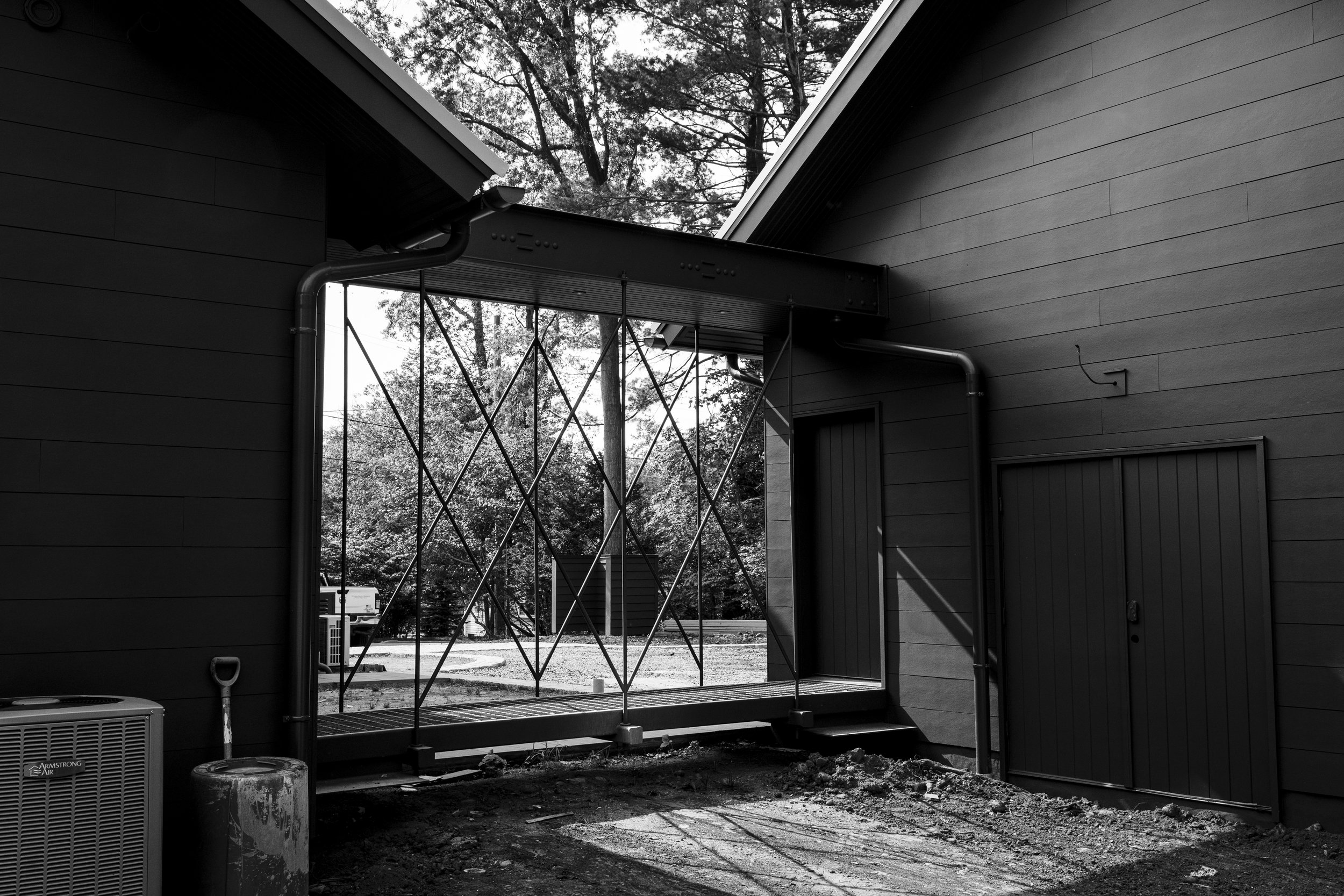
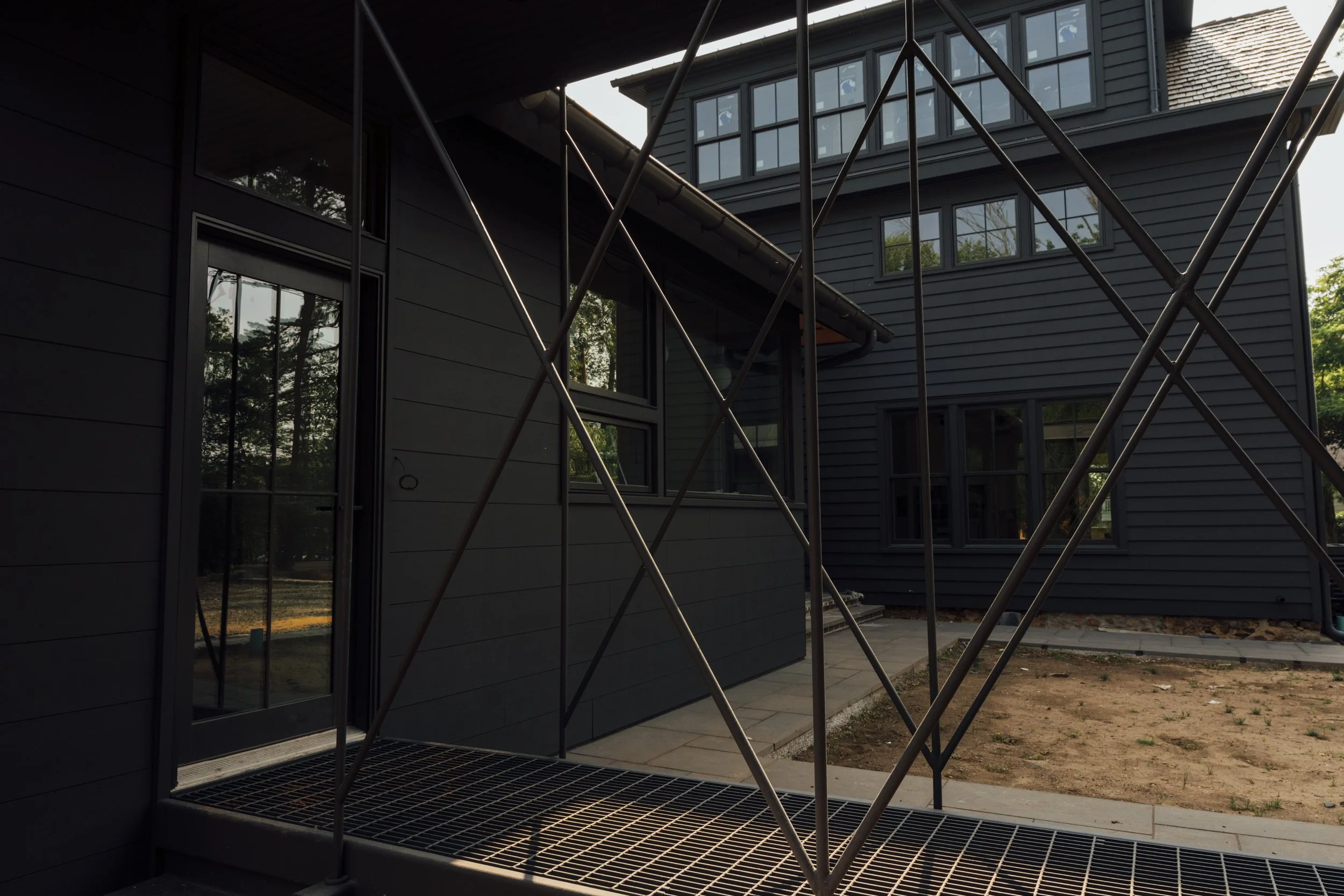
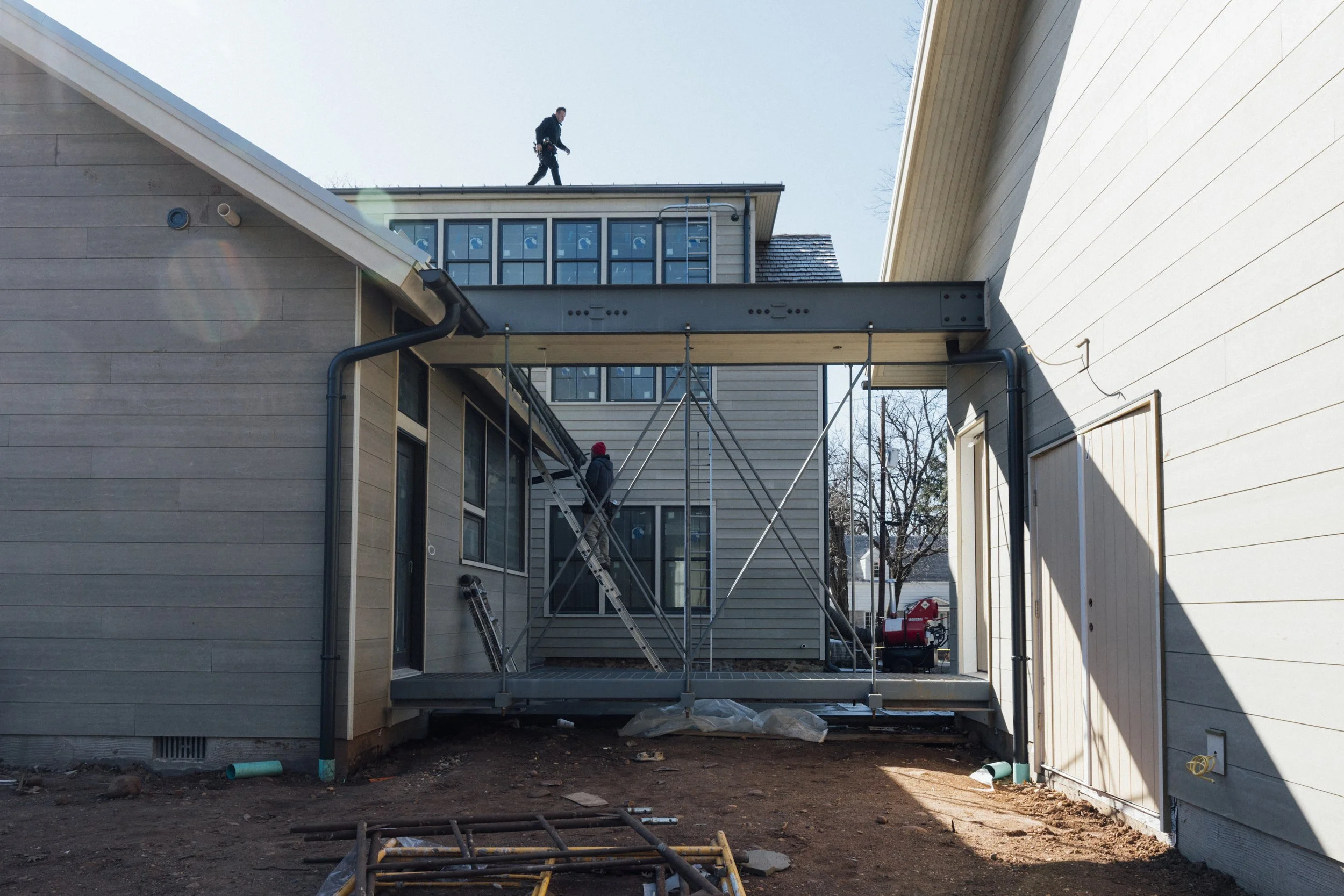
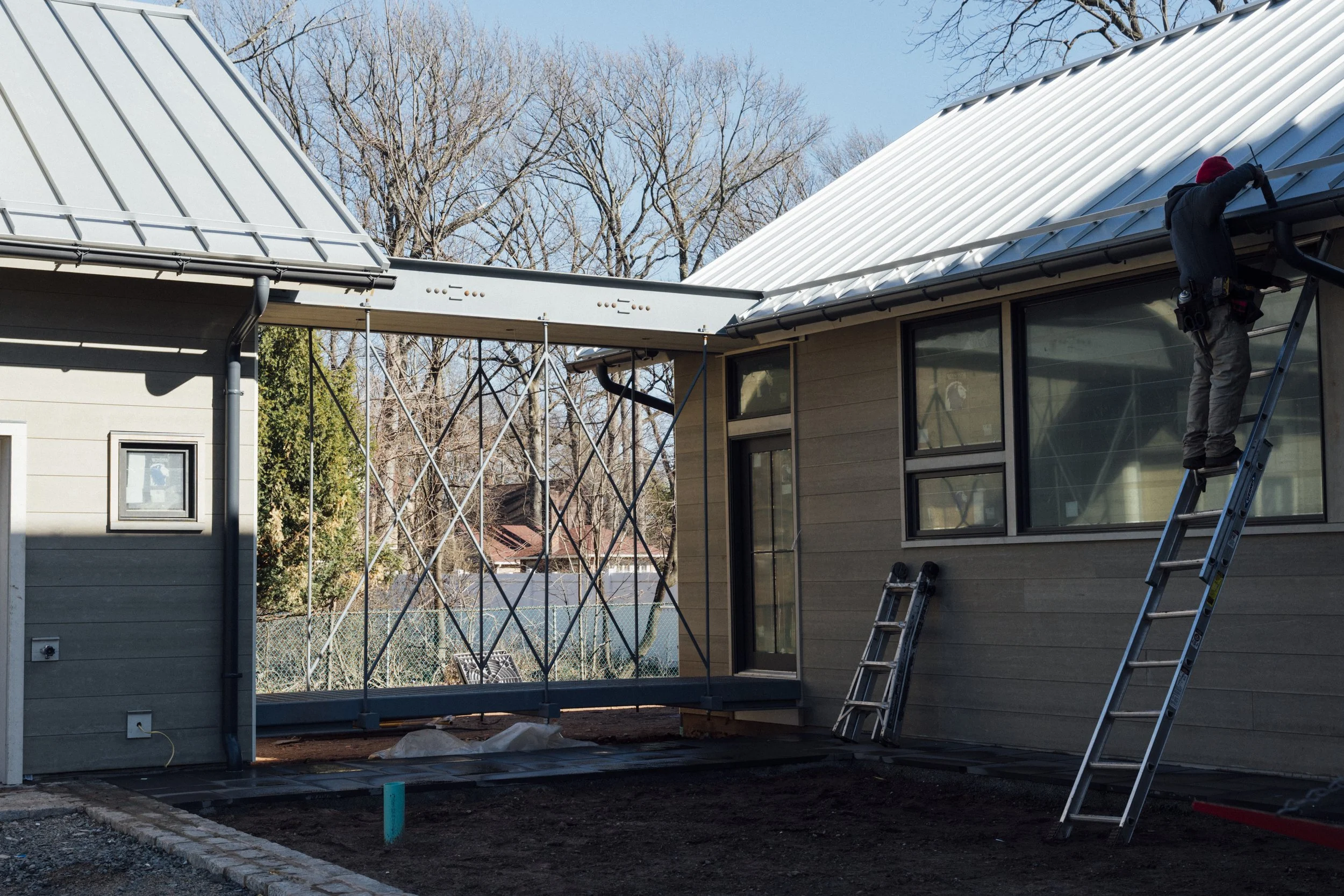
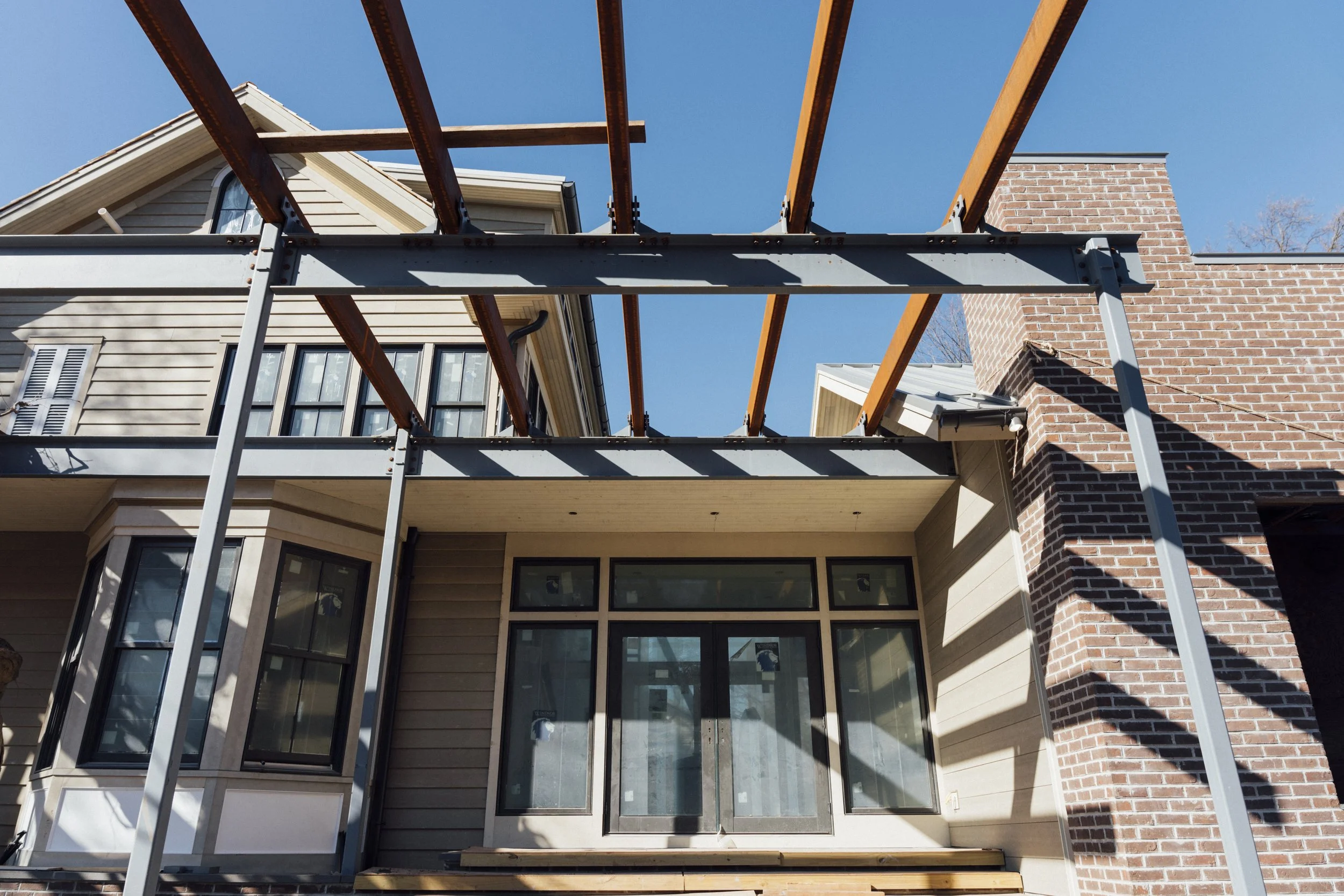
The renovation honors the integrity of the original structure while embracing thoughtful modern interventions, creating a dialogue between old and new rather than allowing one to erase the other.
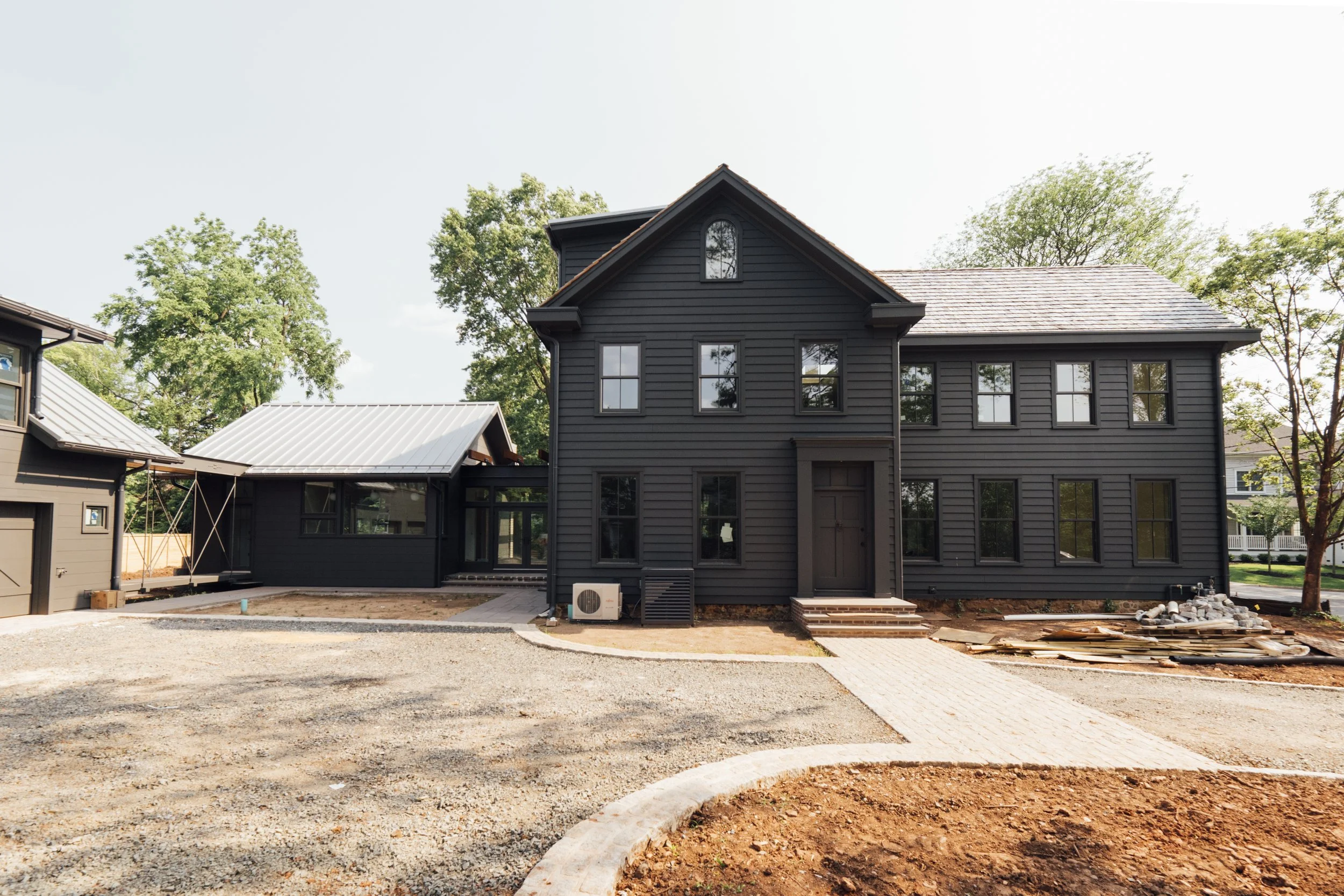
Throughout the process, the goal was not nostalgia, nor preservation for preservation’s sake, but continuity: an acknowledgment that historic homes survive because successive generations choose to care for them, adapt them, and continue living within them.
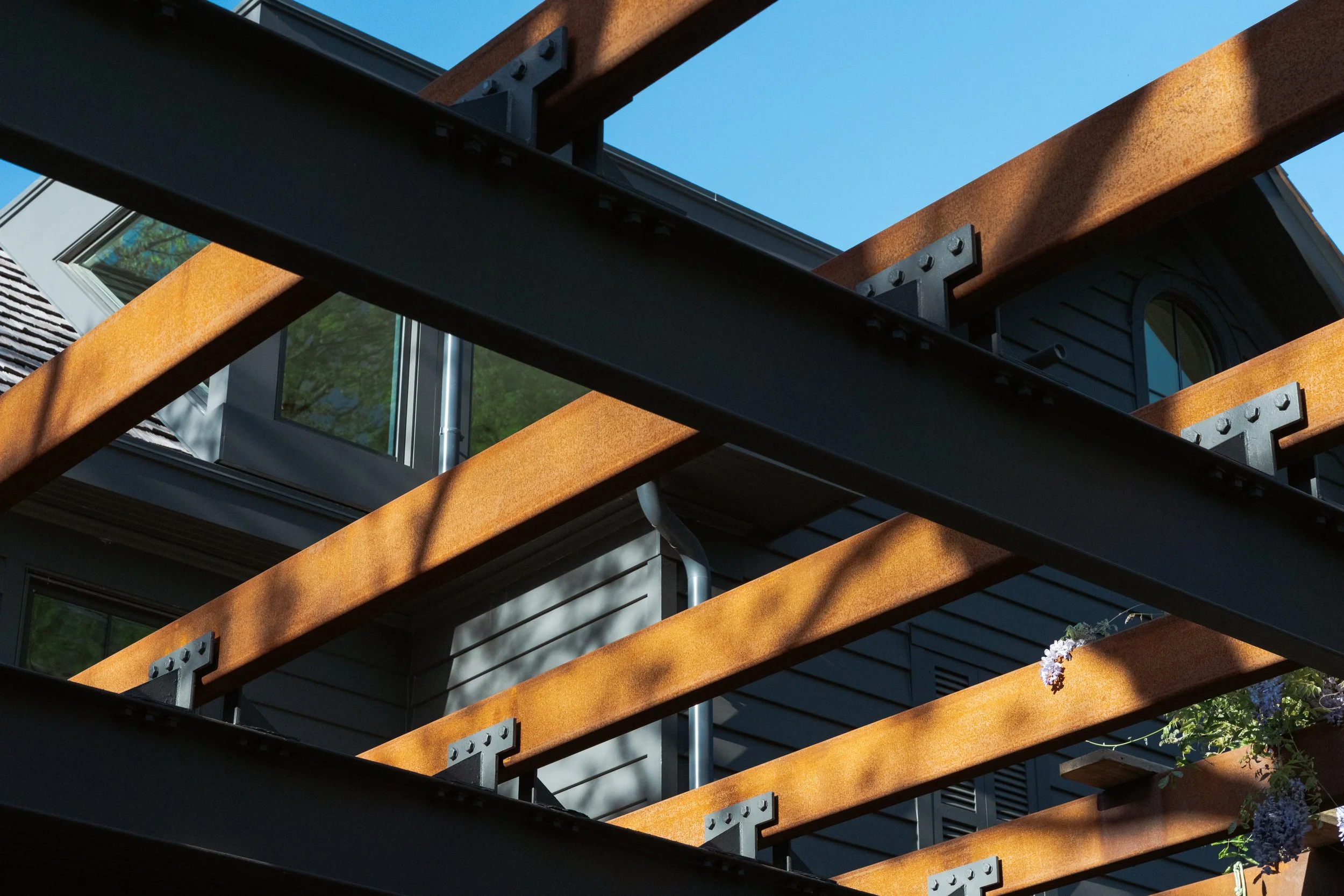
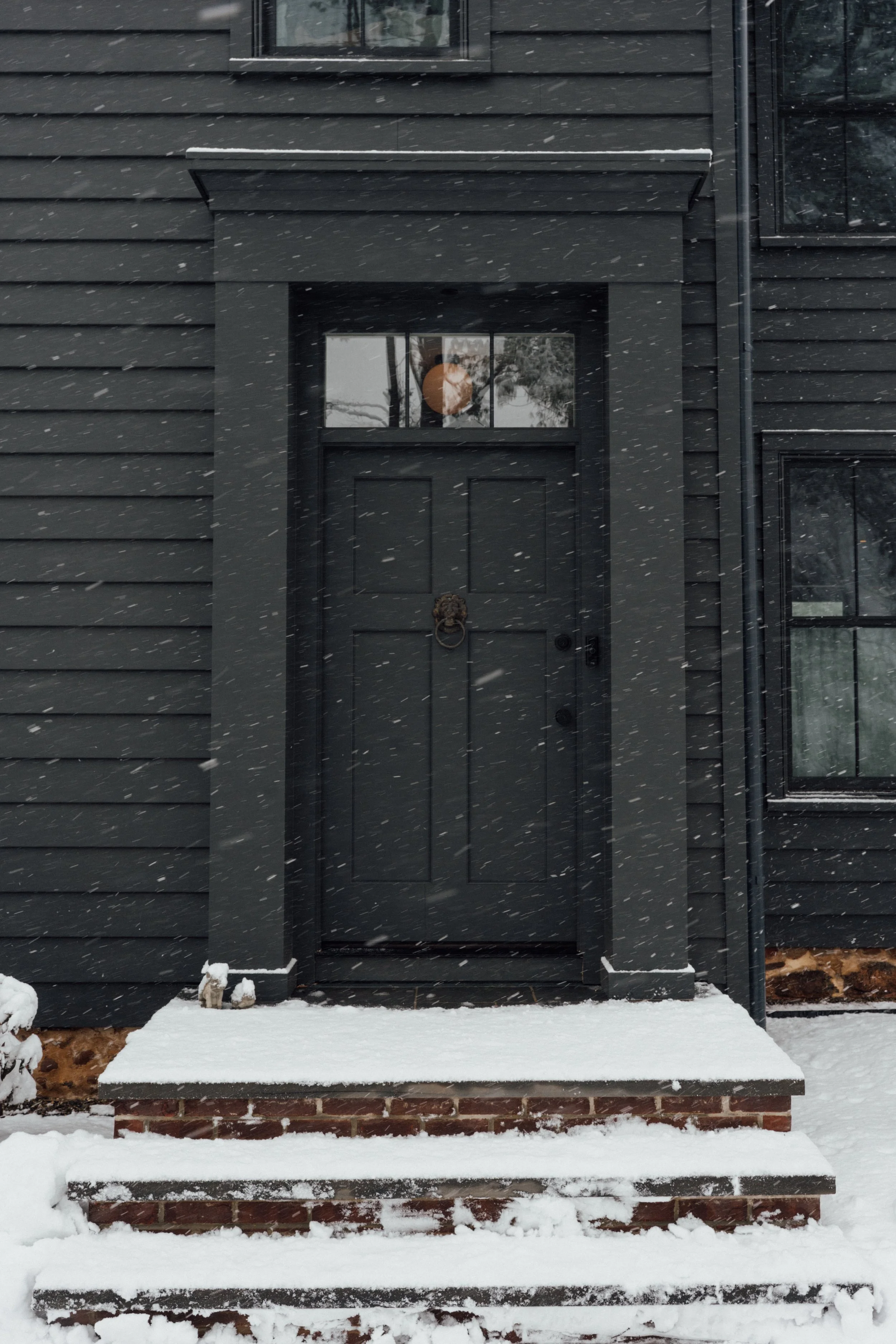
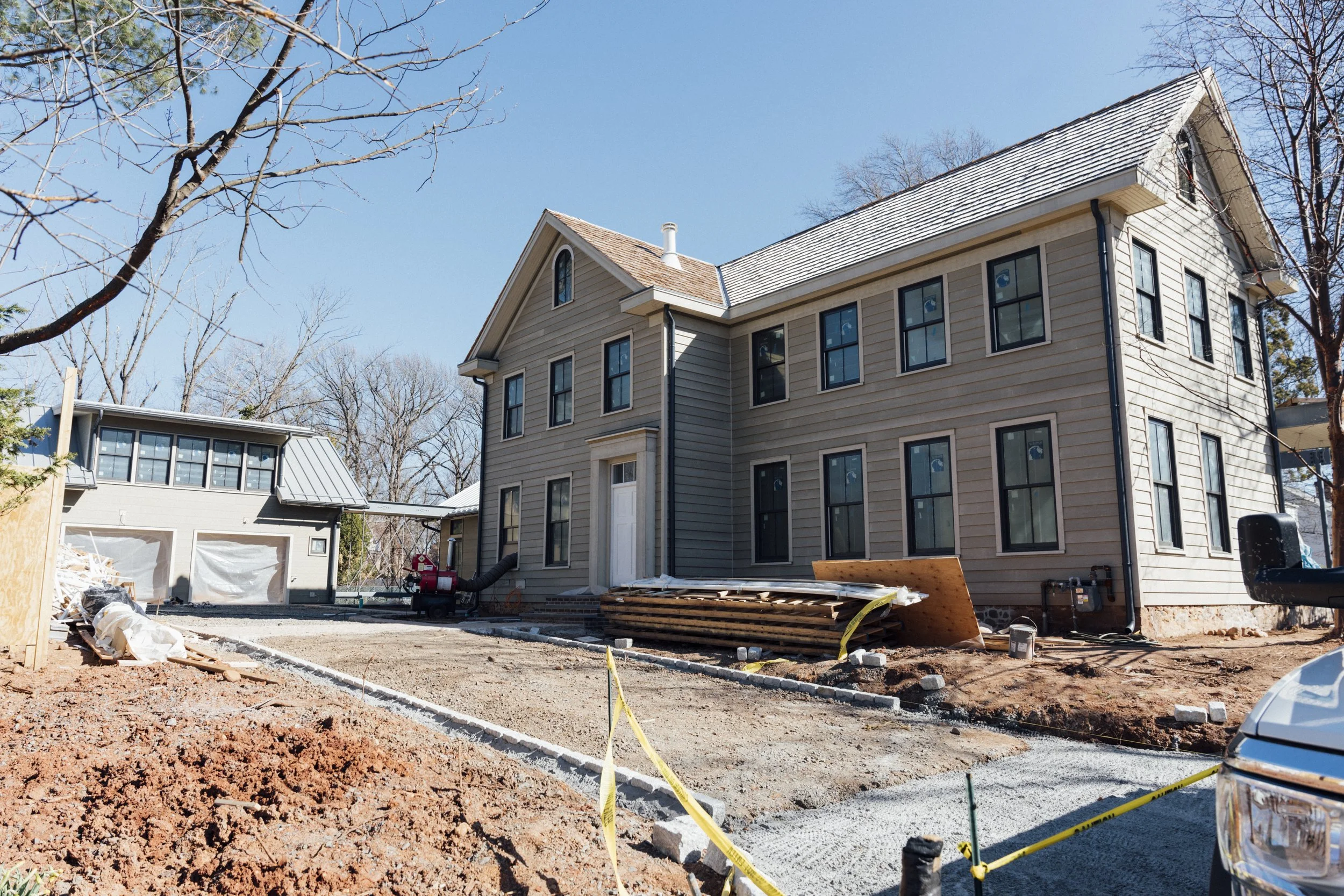
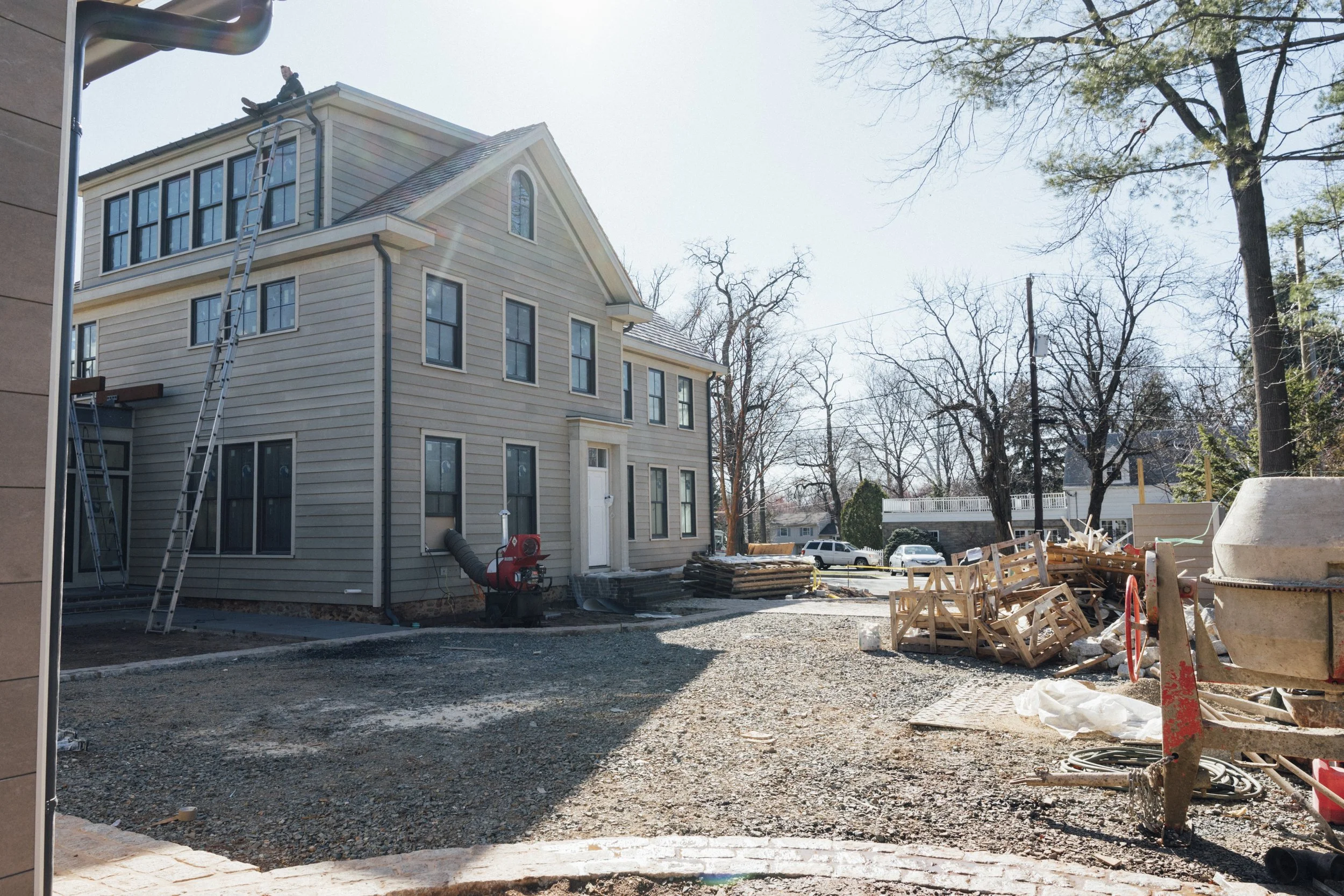
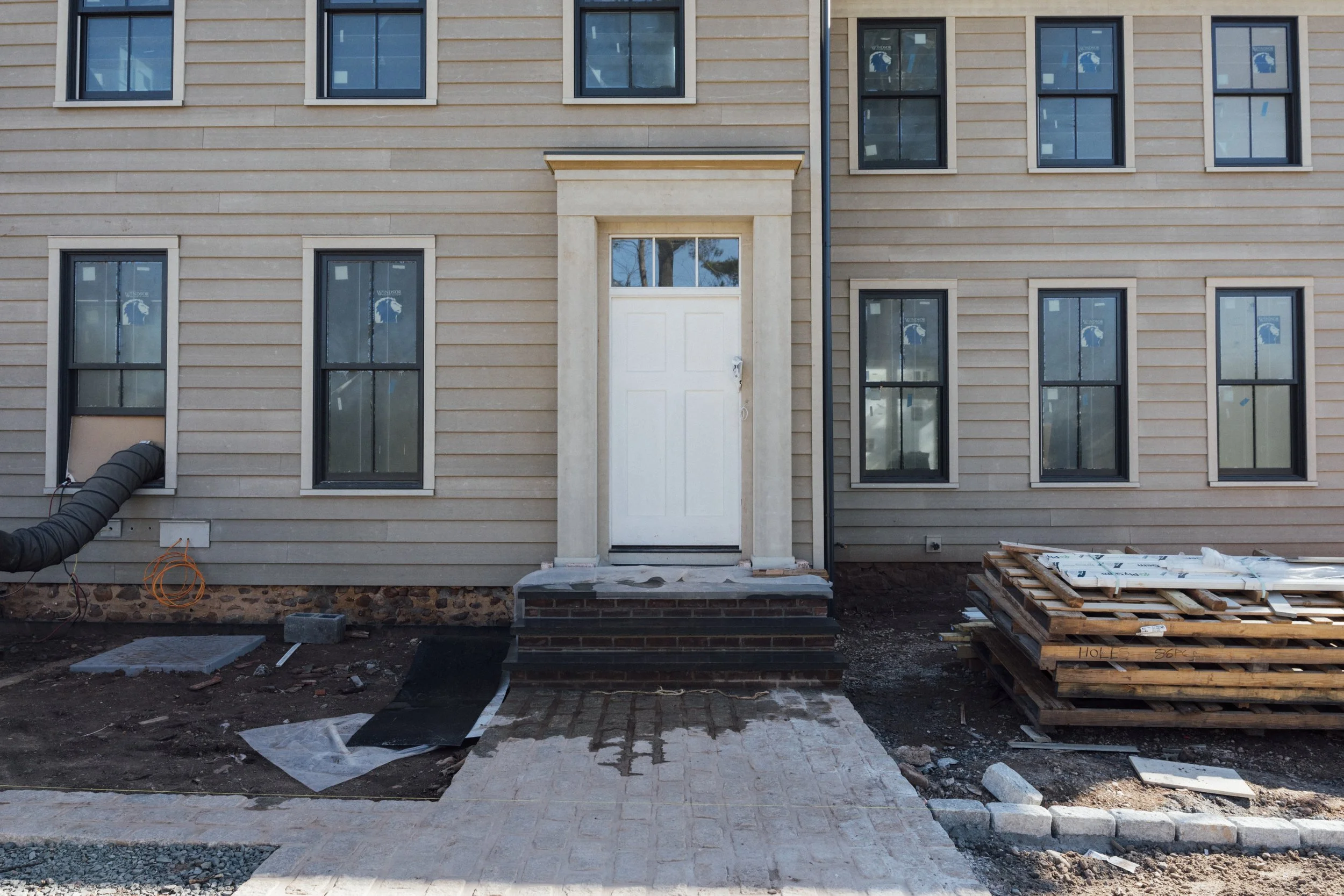
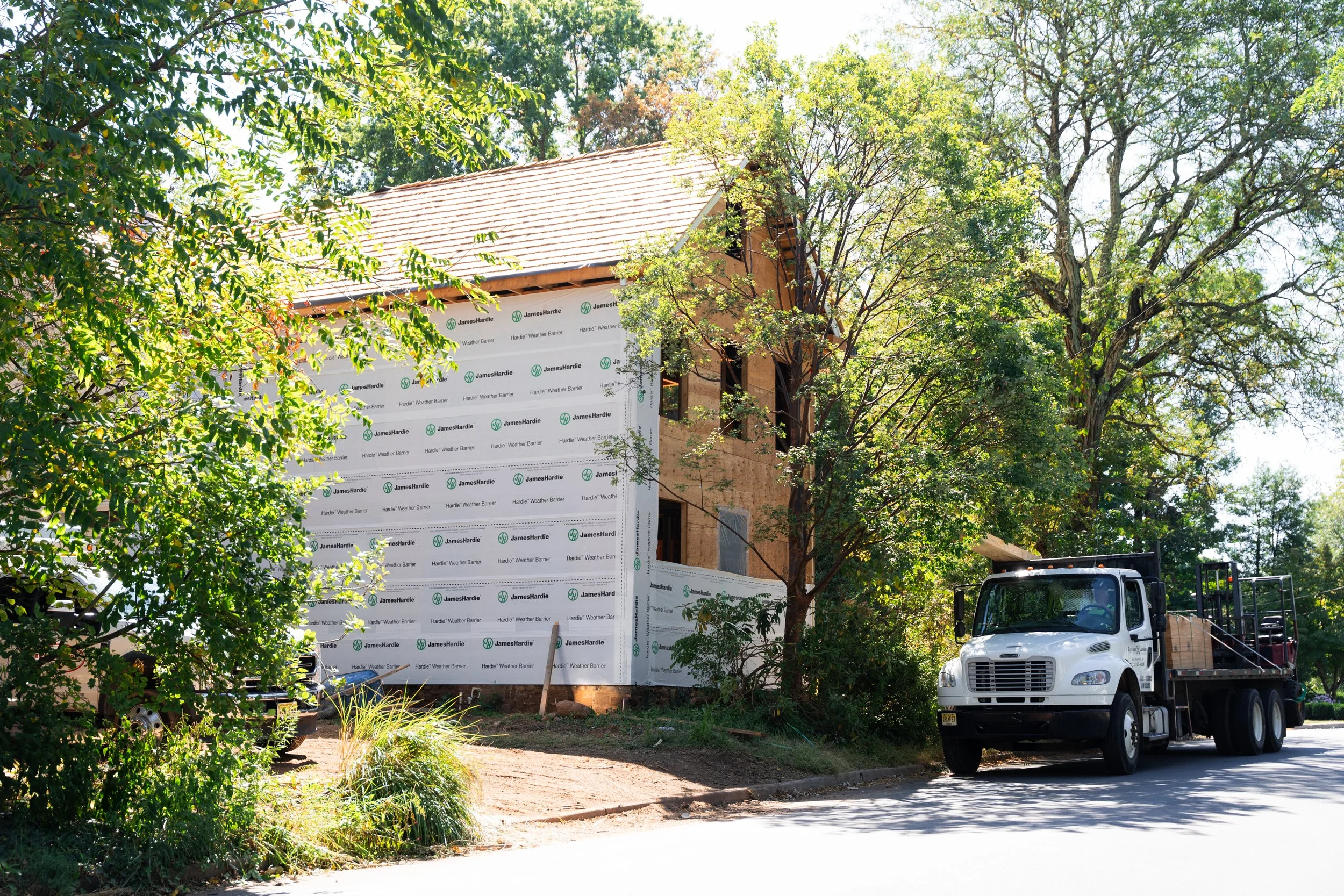
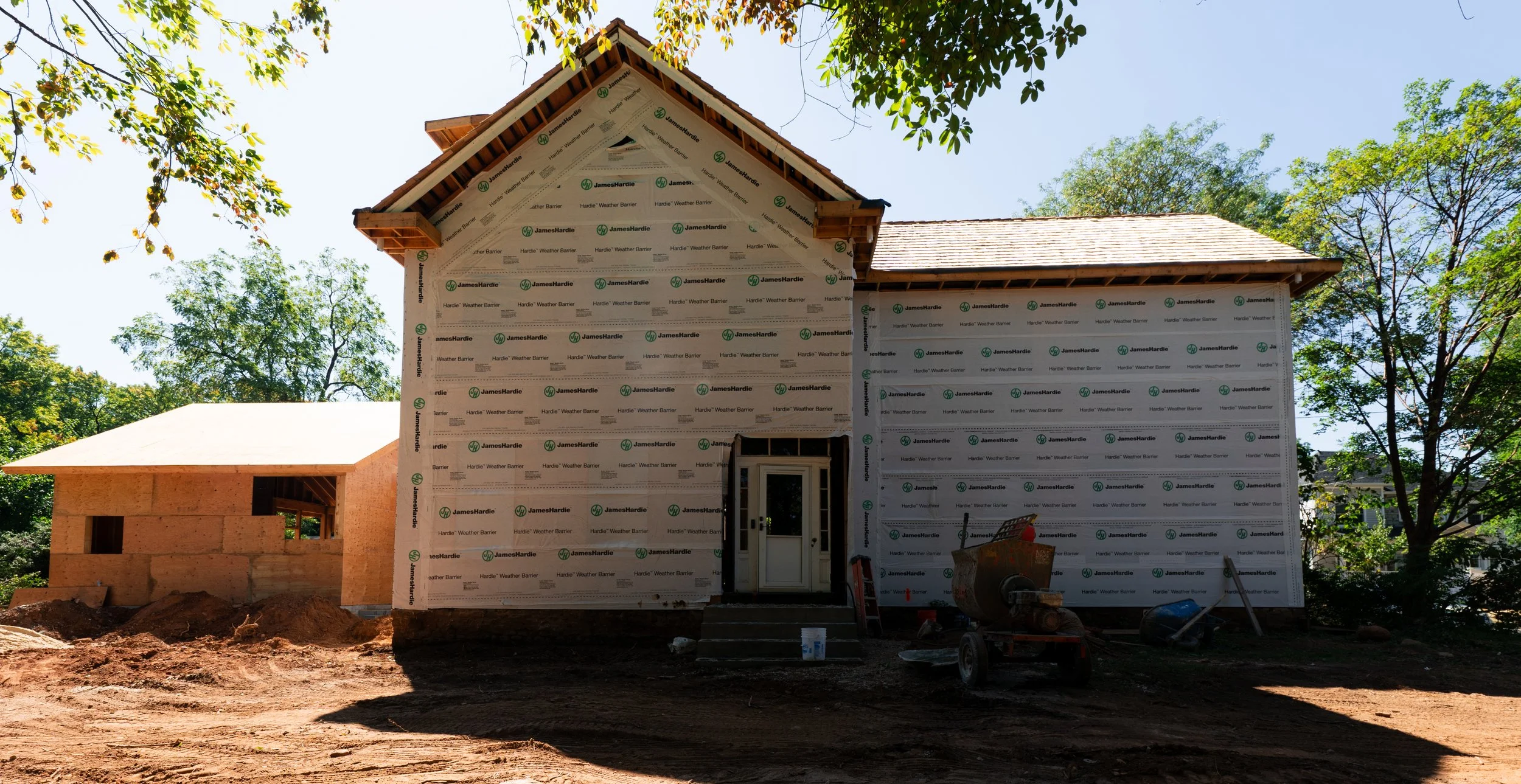
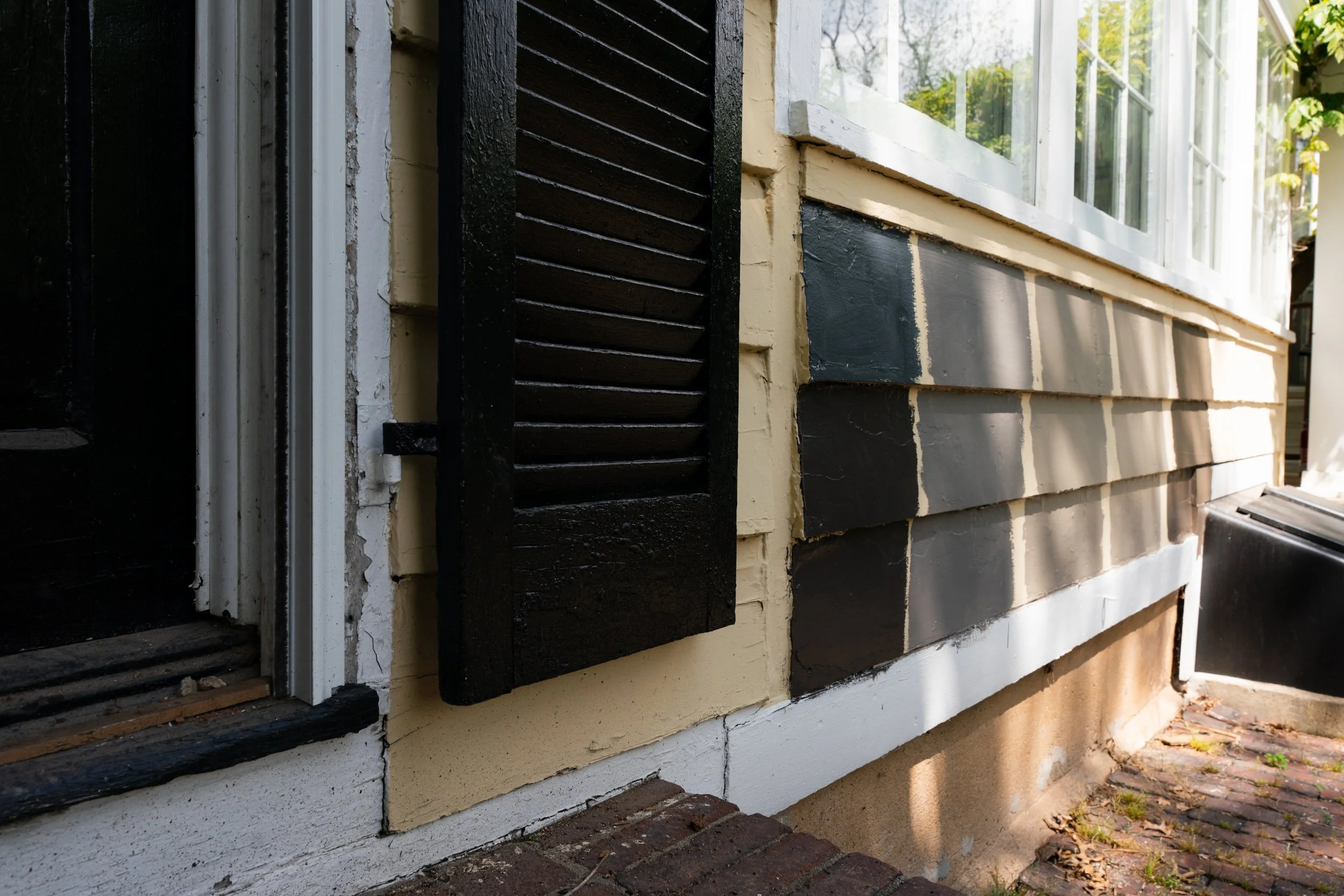
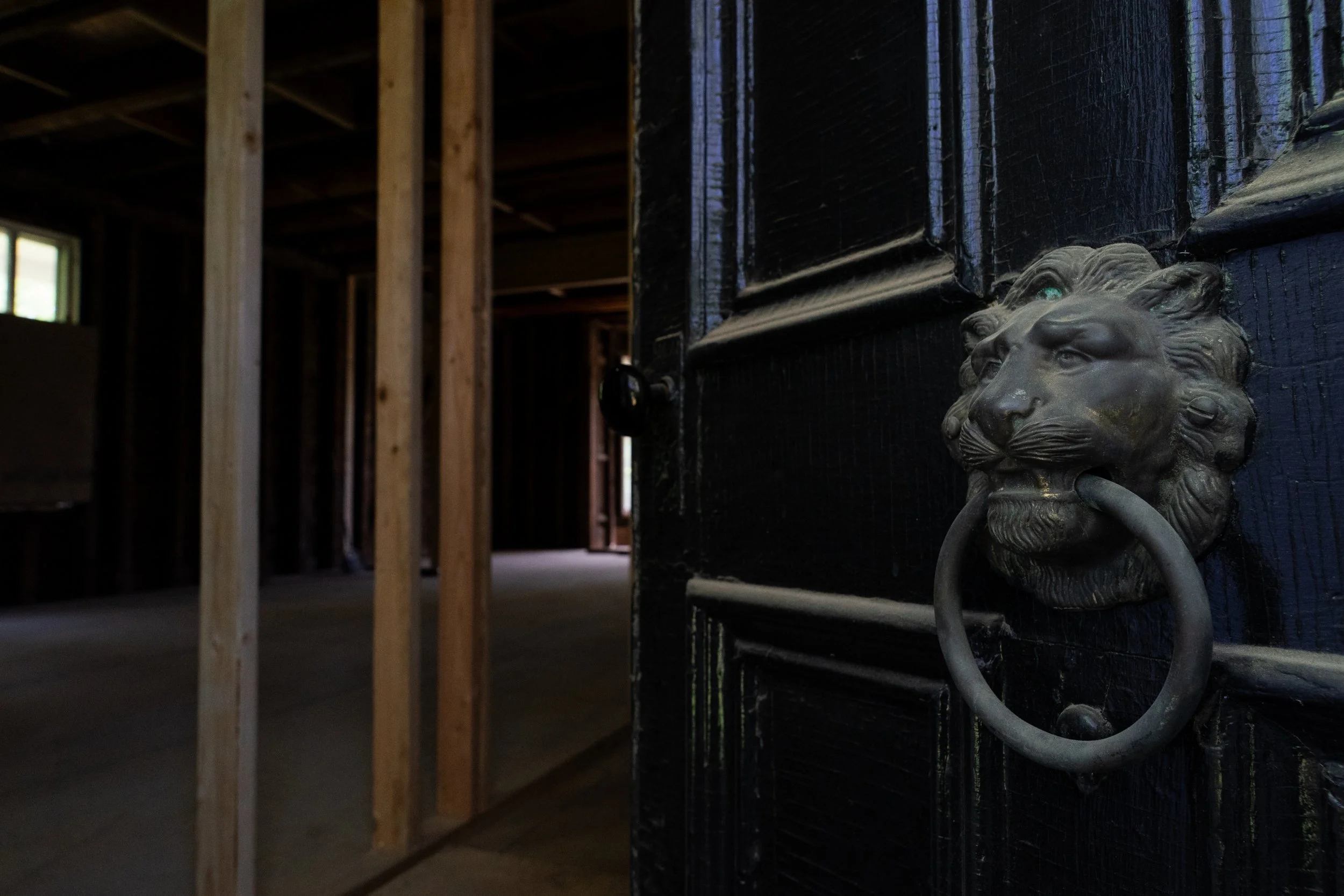
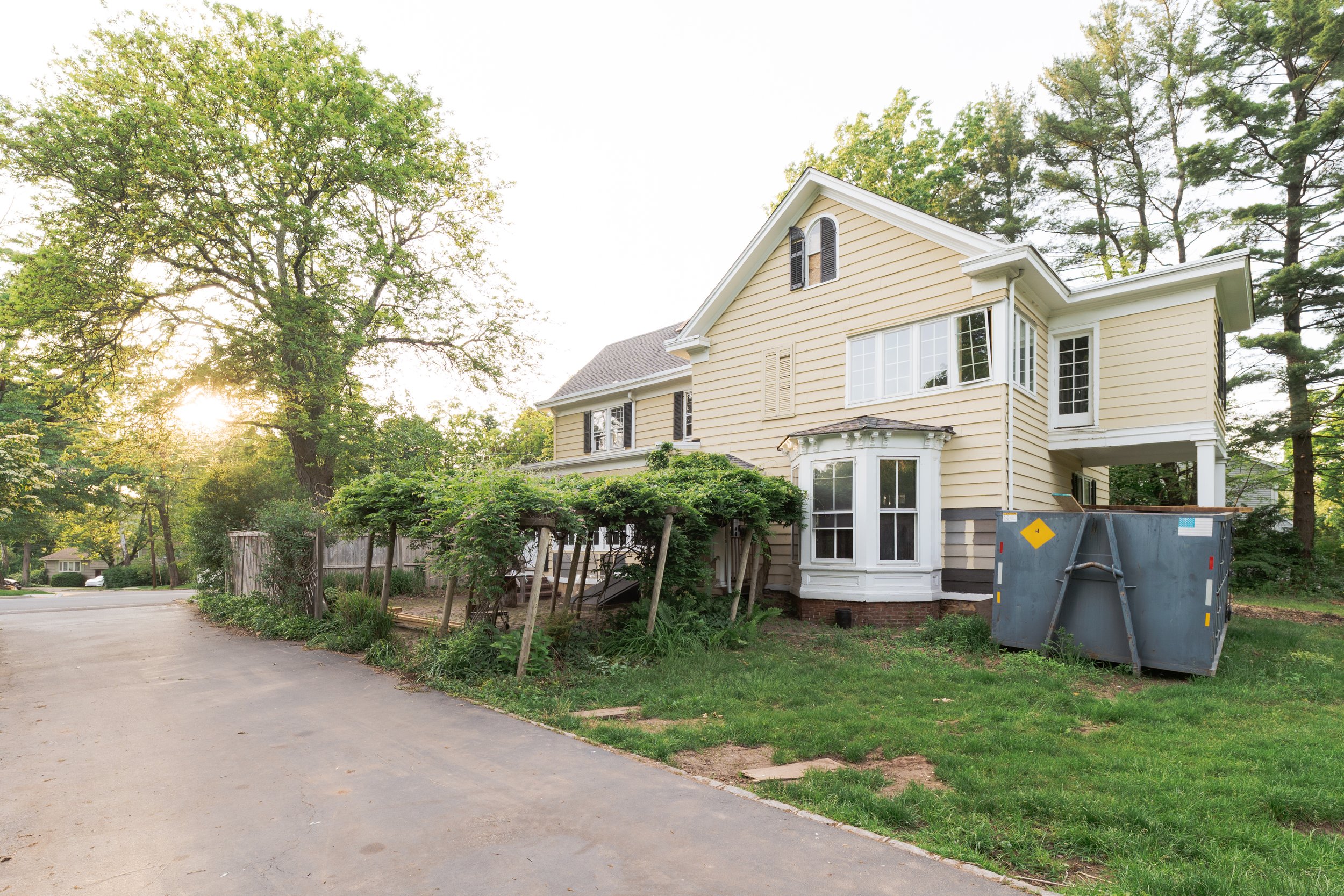
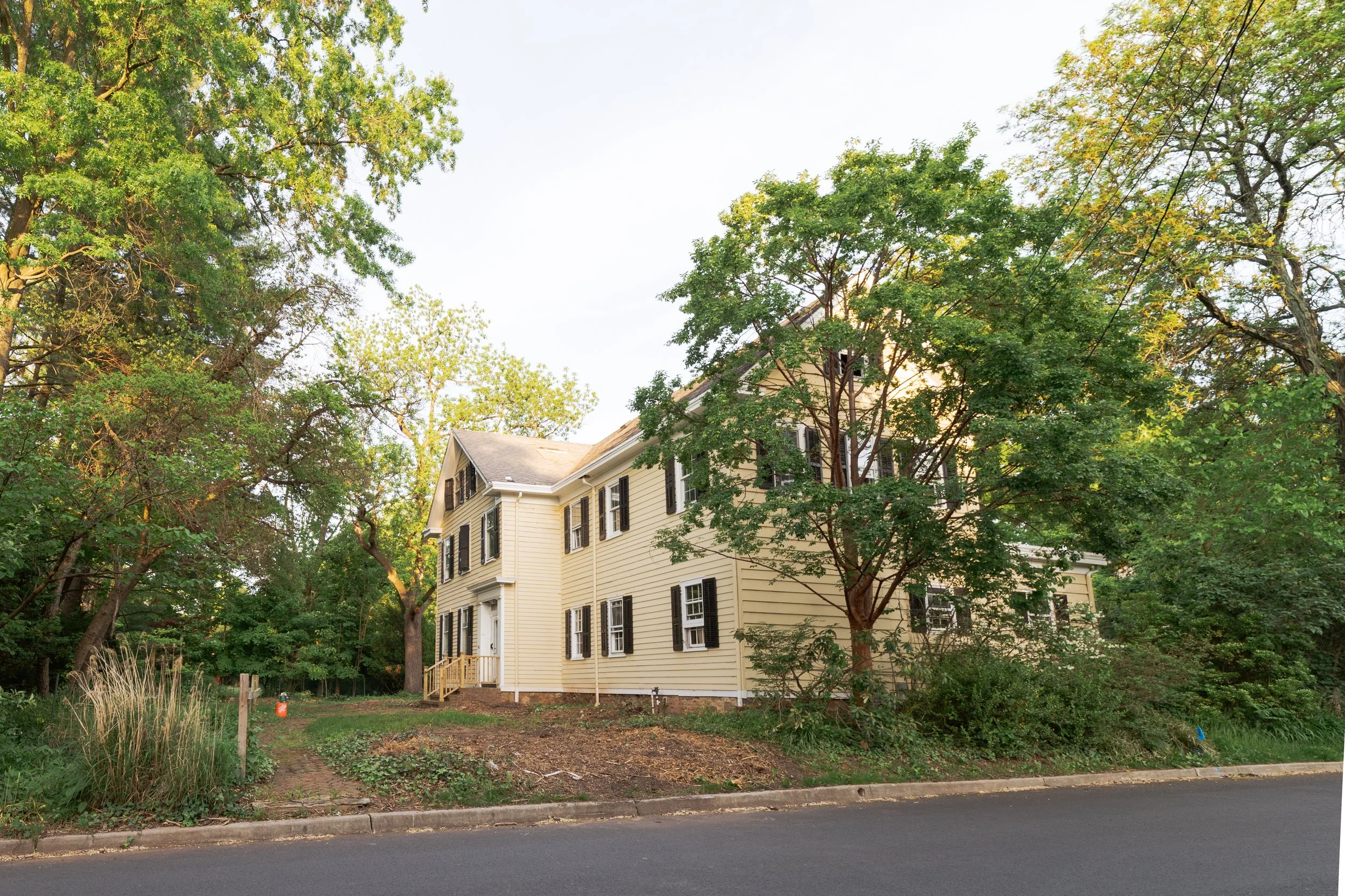
Two centuries ago, craftsmen stood on this land and raised this house by hand. Over the course of 202 years, generations passed through its rooms. Seasons weathered the siding. Dust settled into the grain of old wood. Trees grew tall around it as the world rearranged itself beyond its doors—a busy street emerging to the side of the old house, turning its front door into a side door.
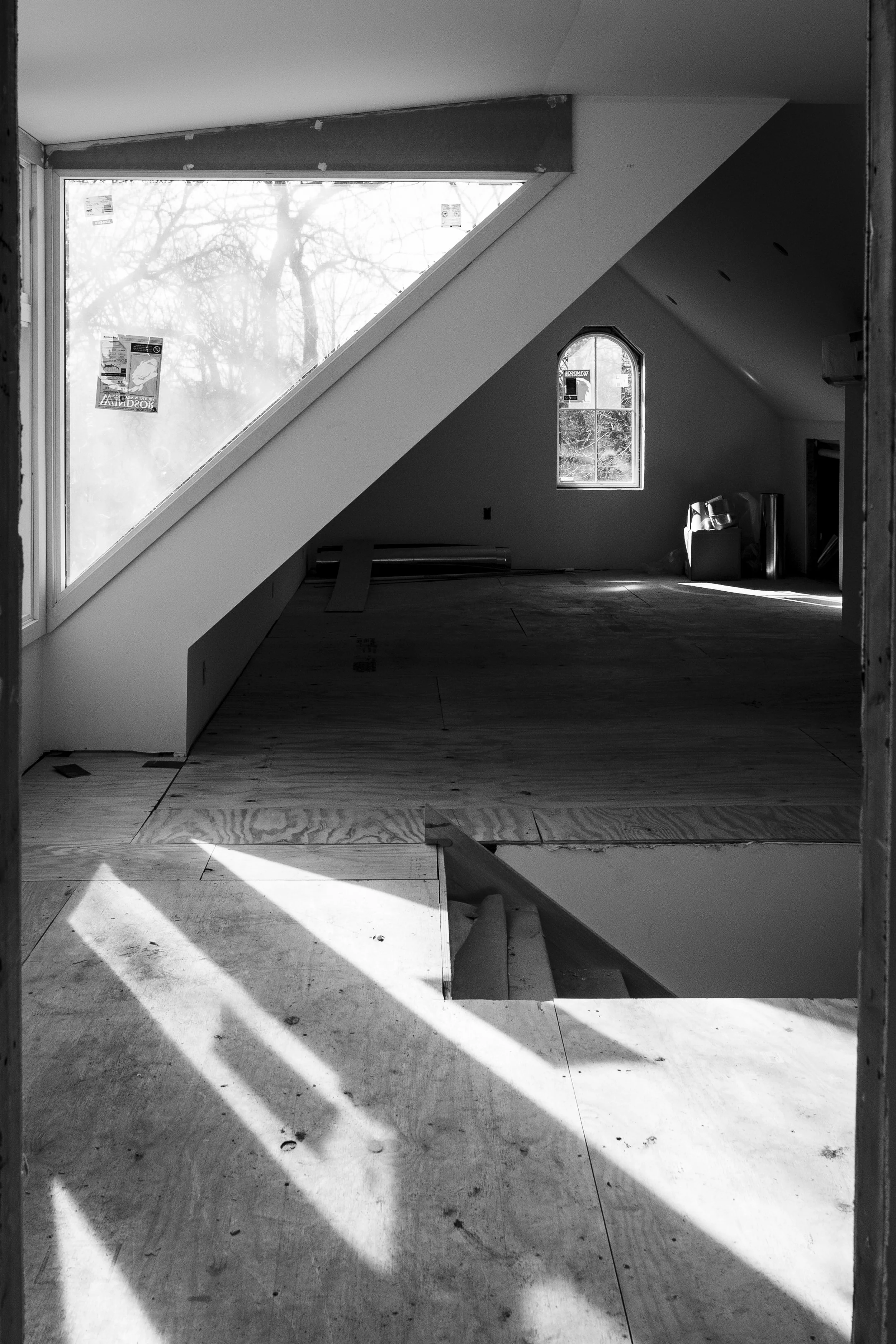
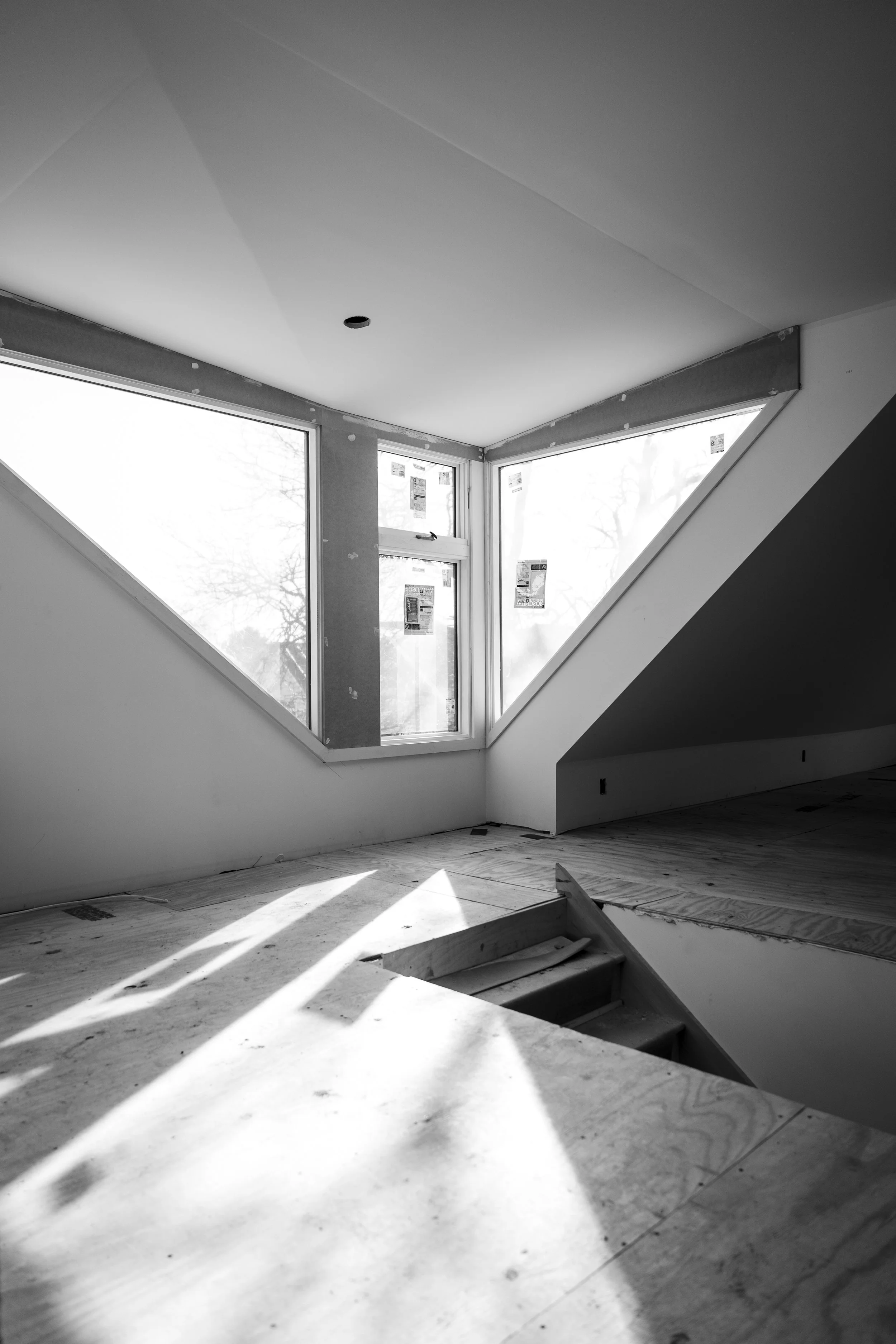
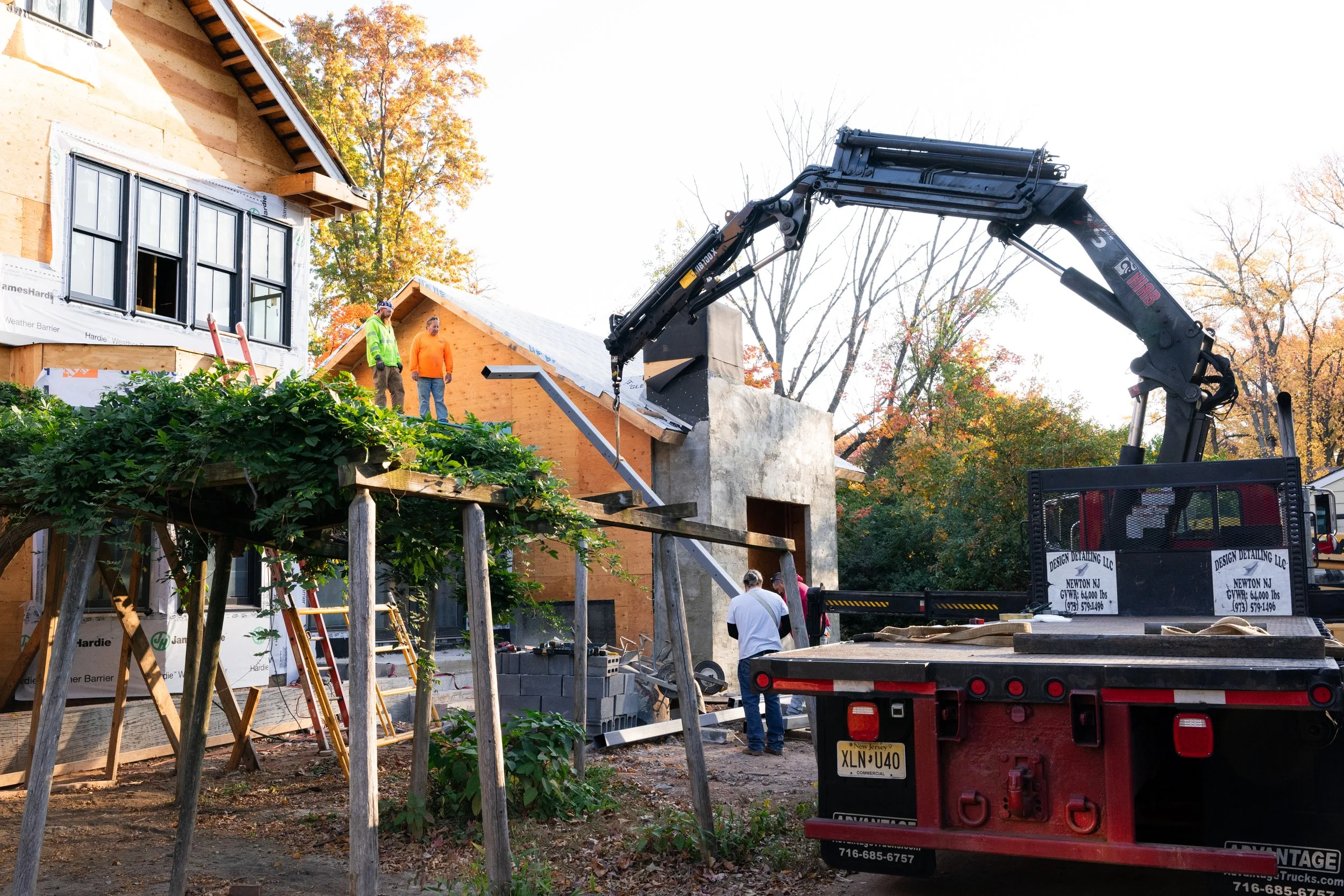
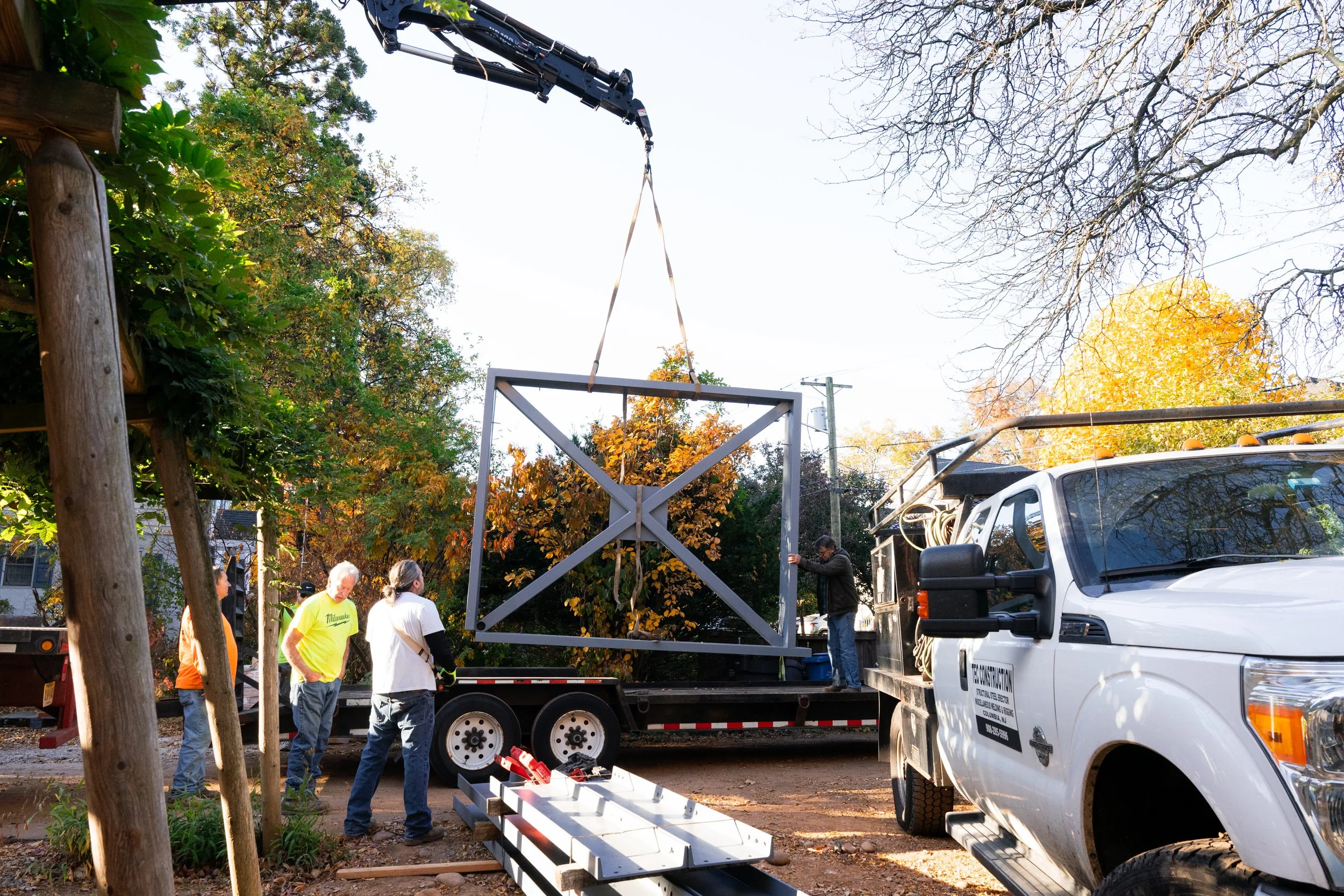
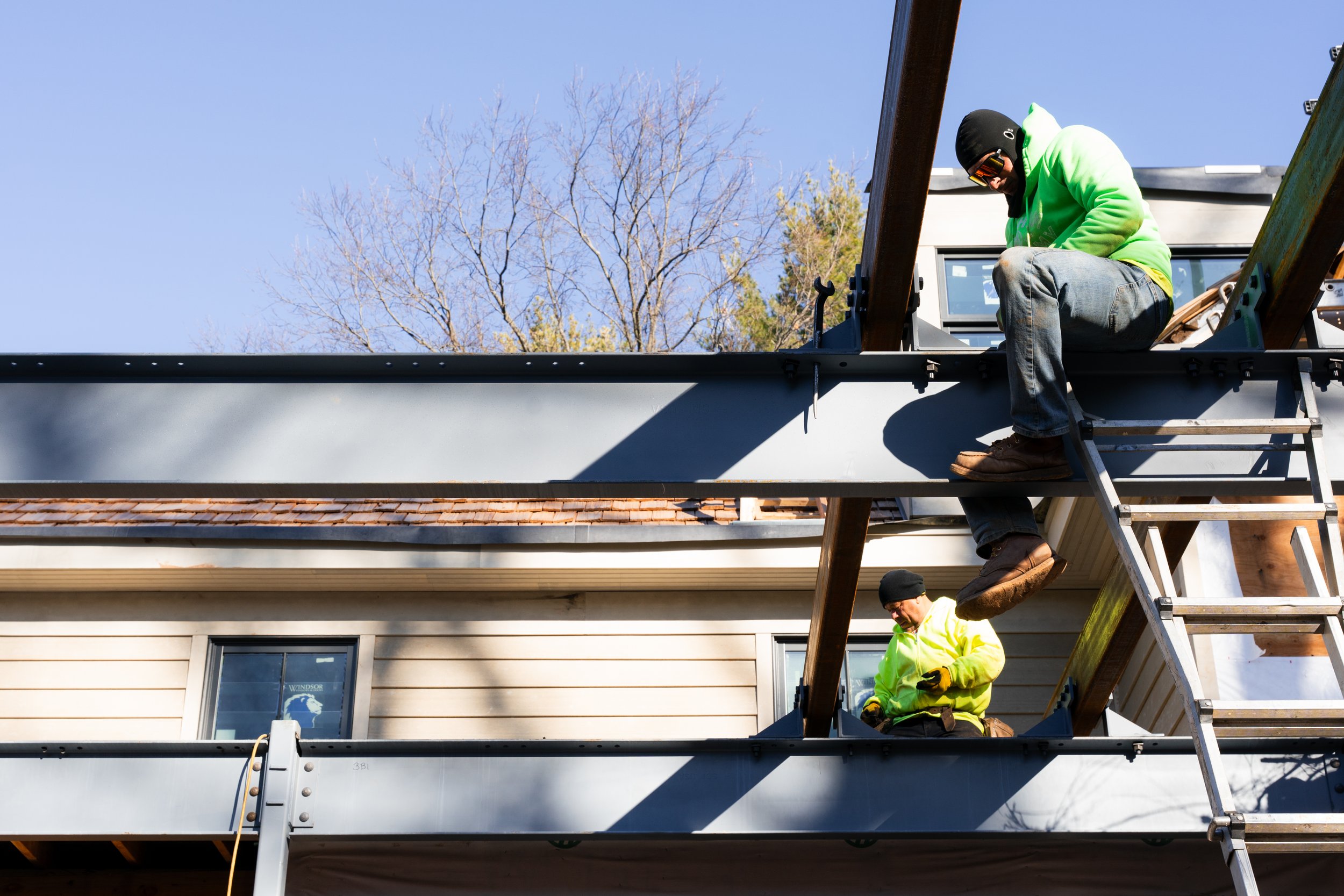
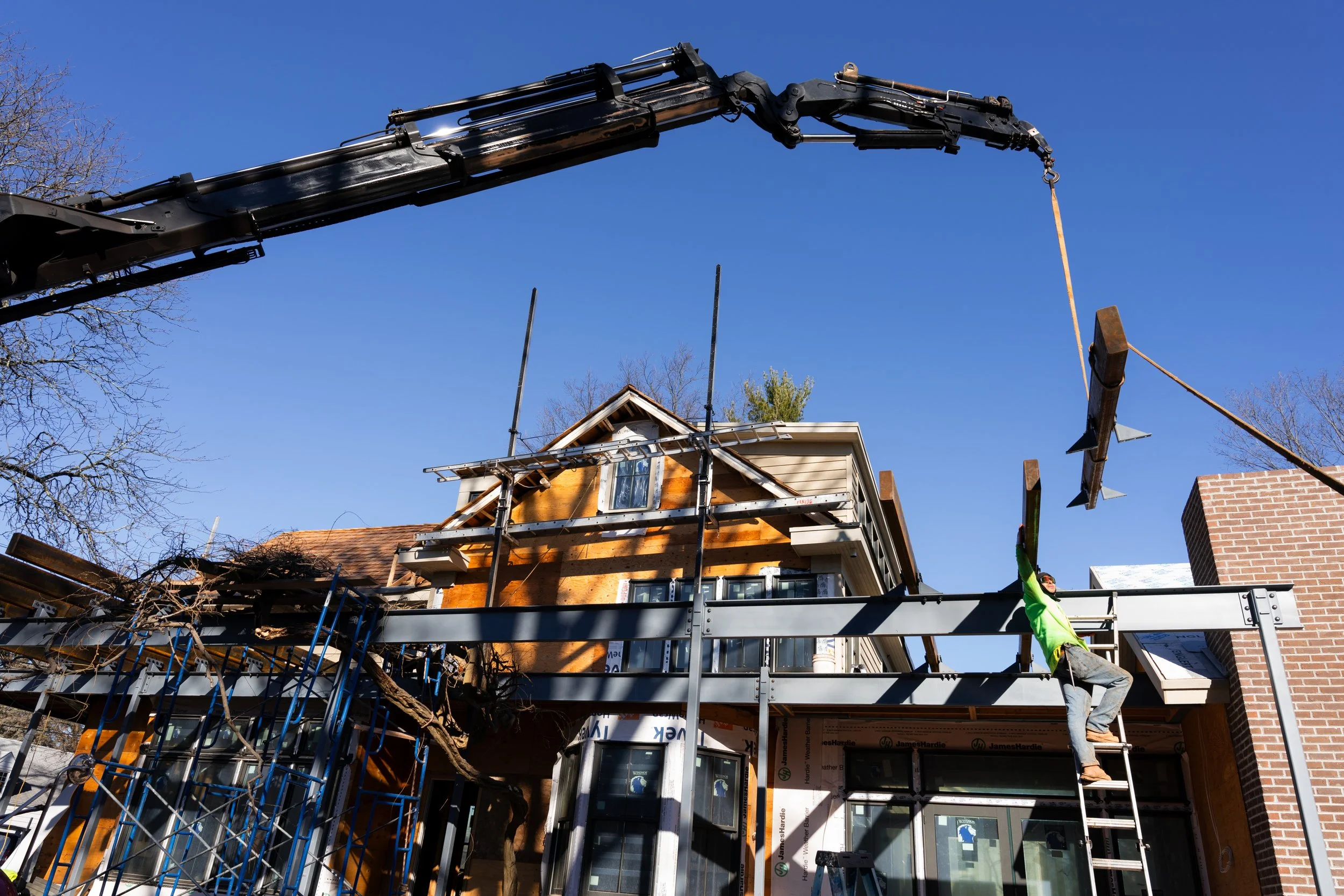
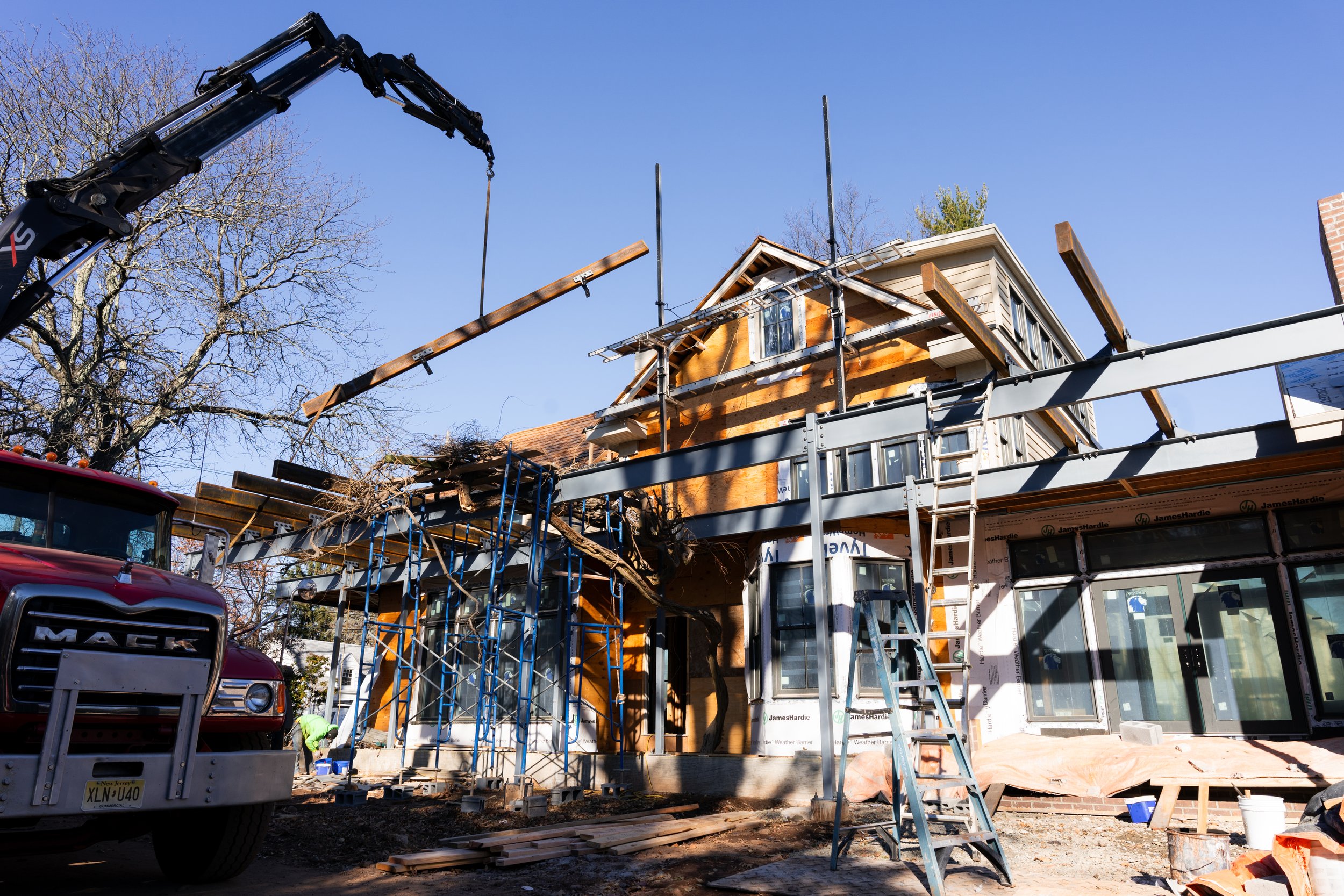
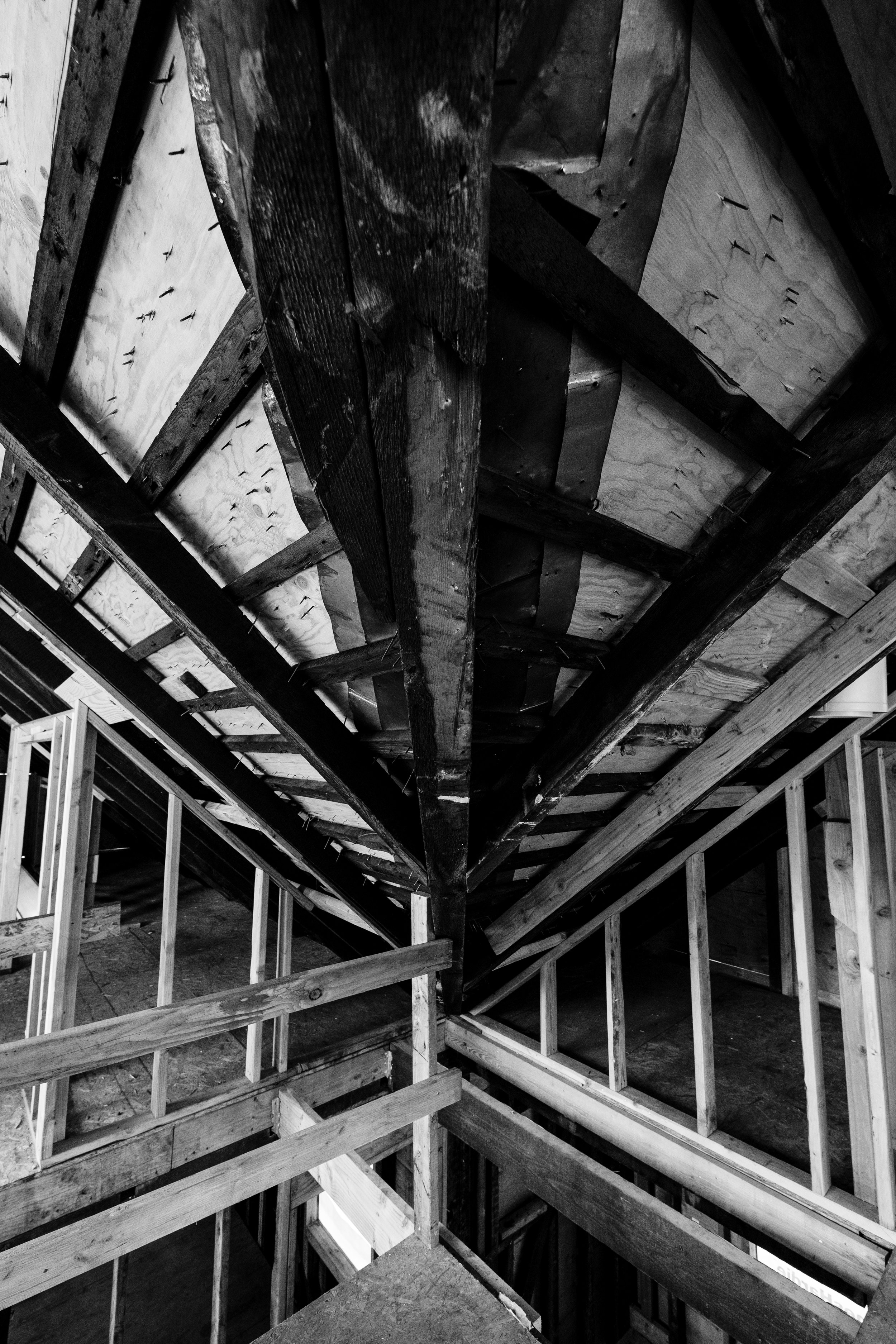
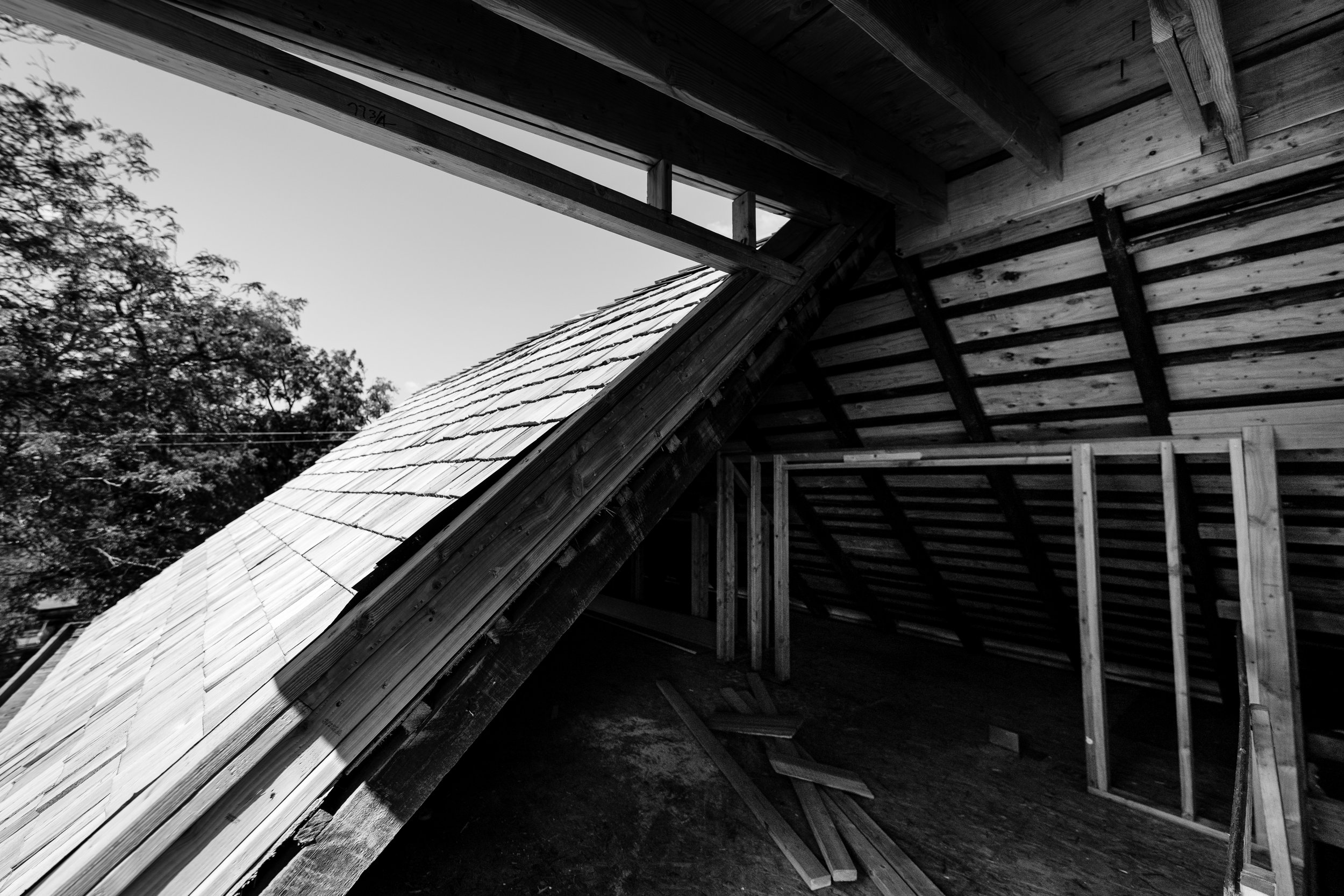
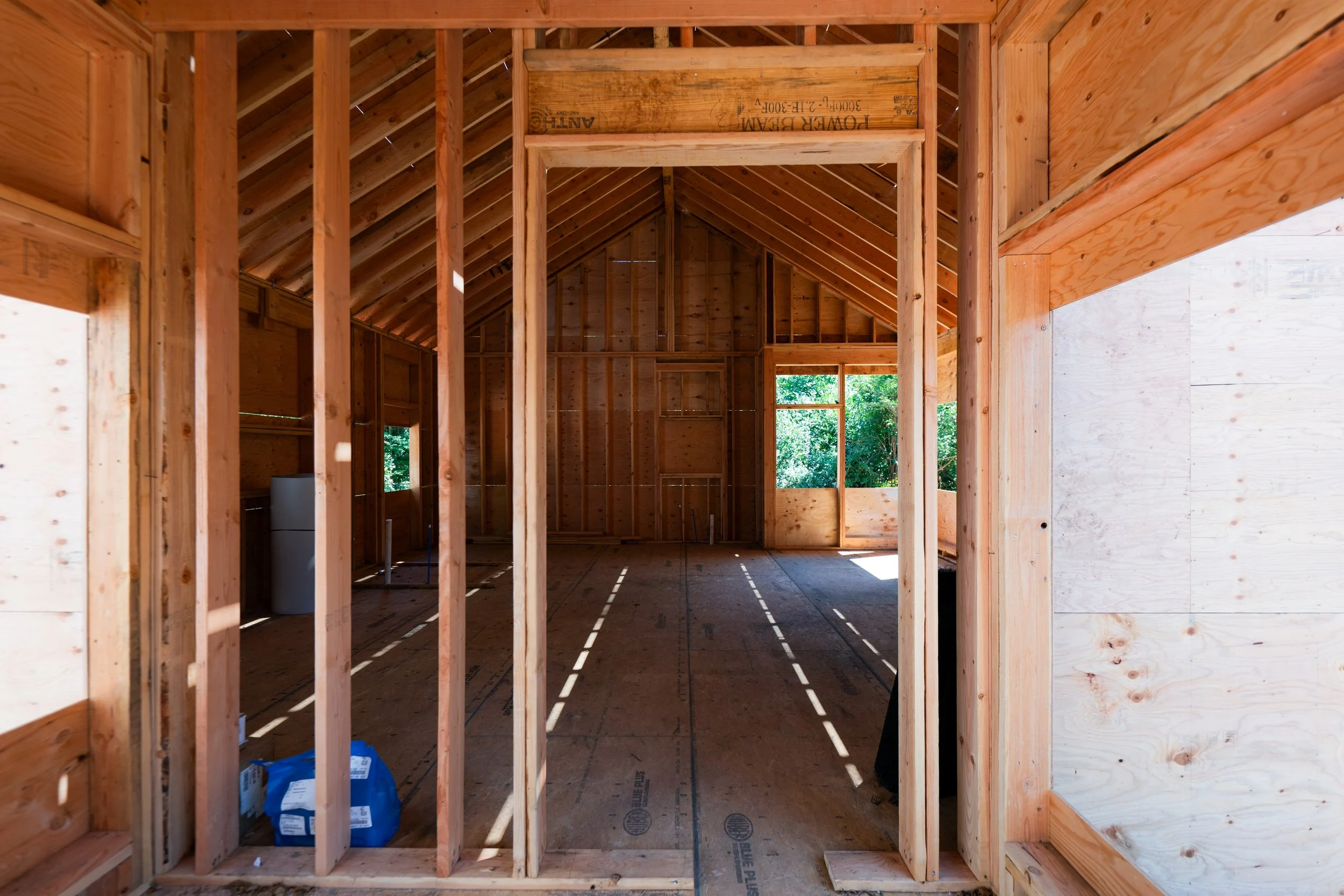
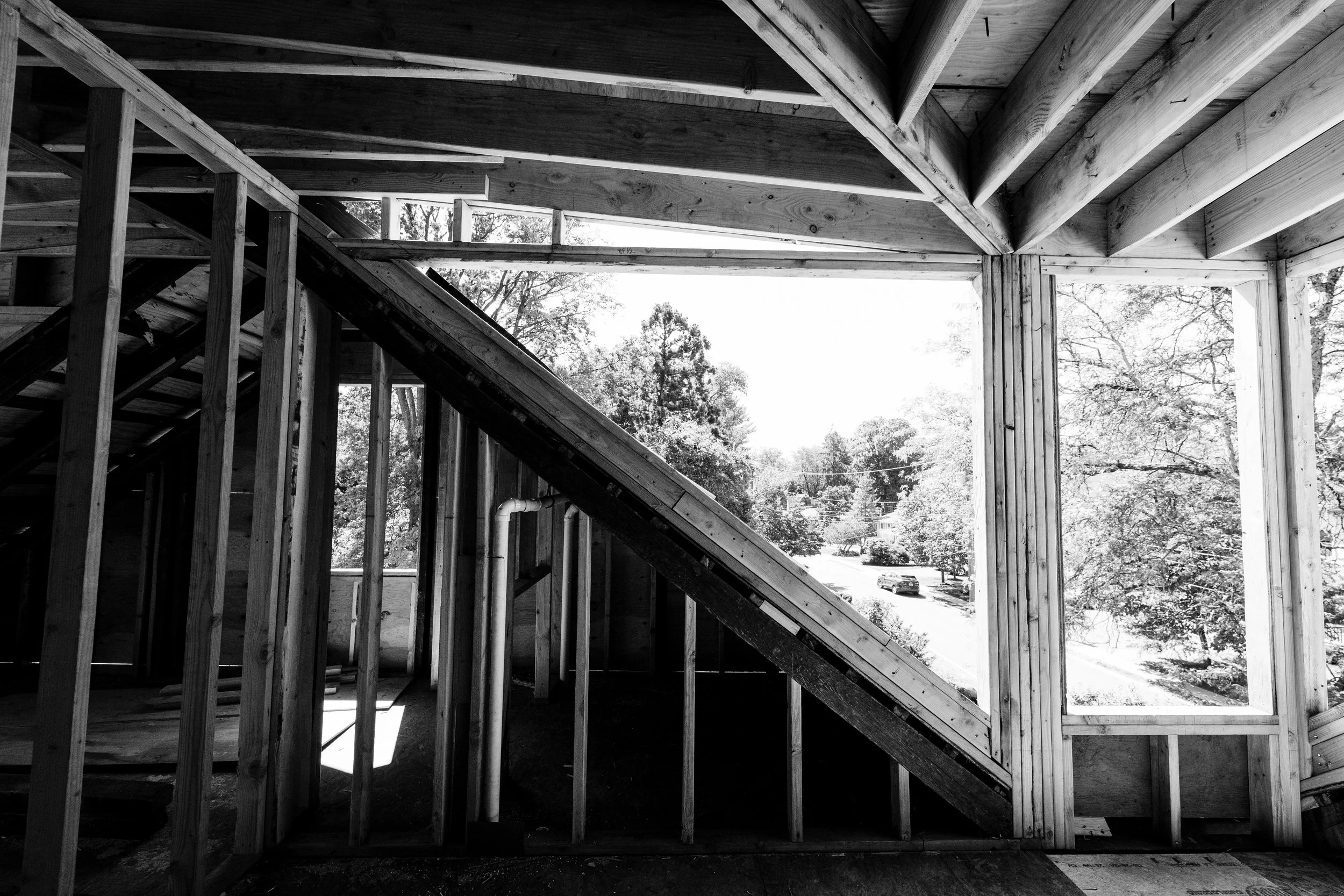
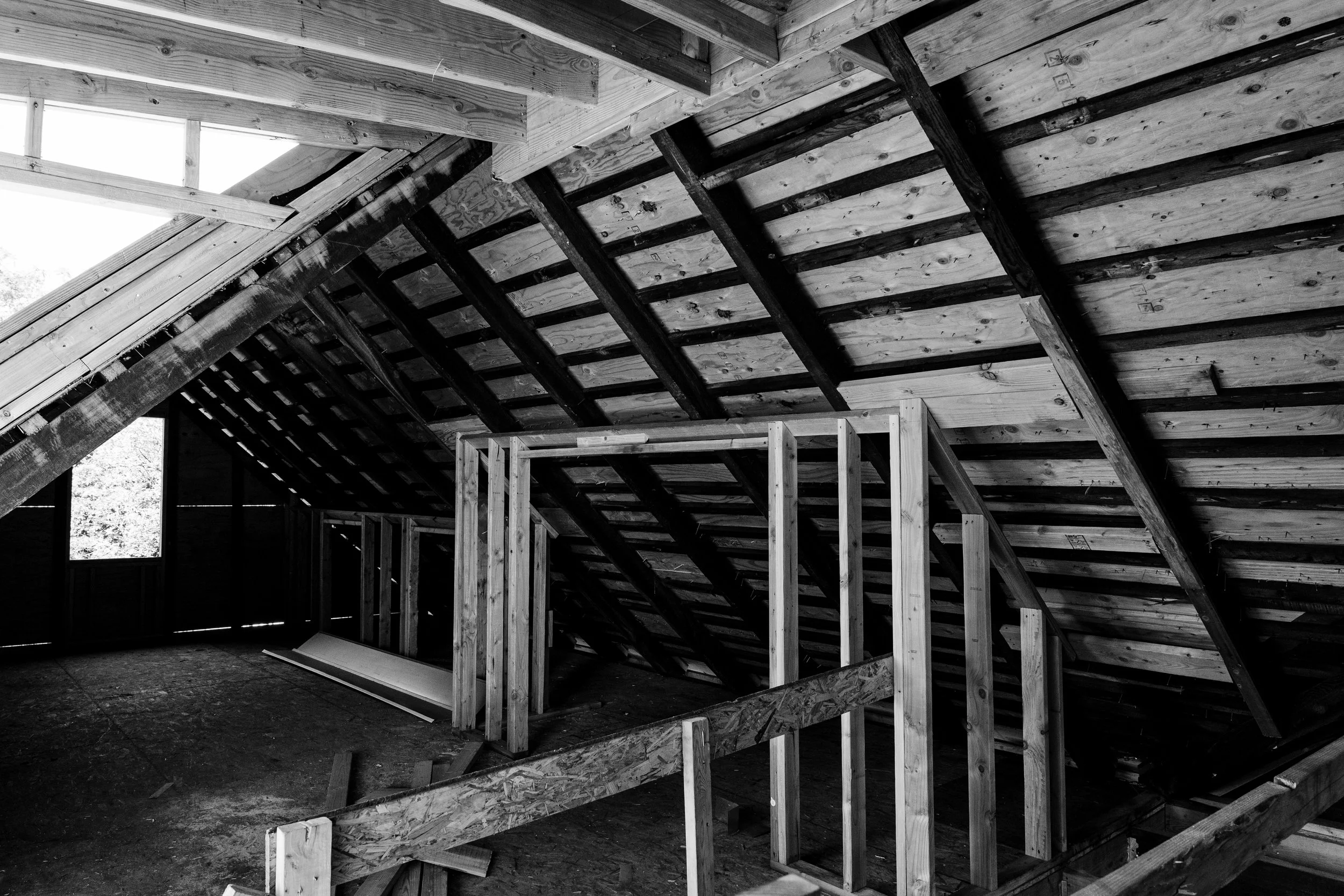
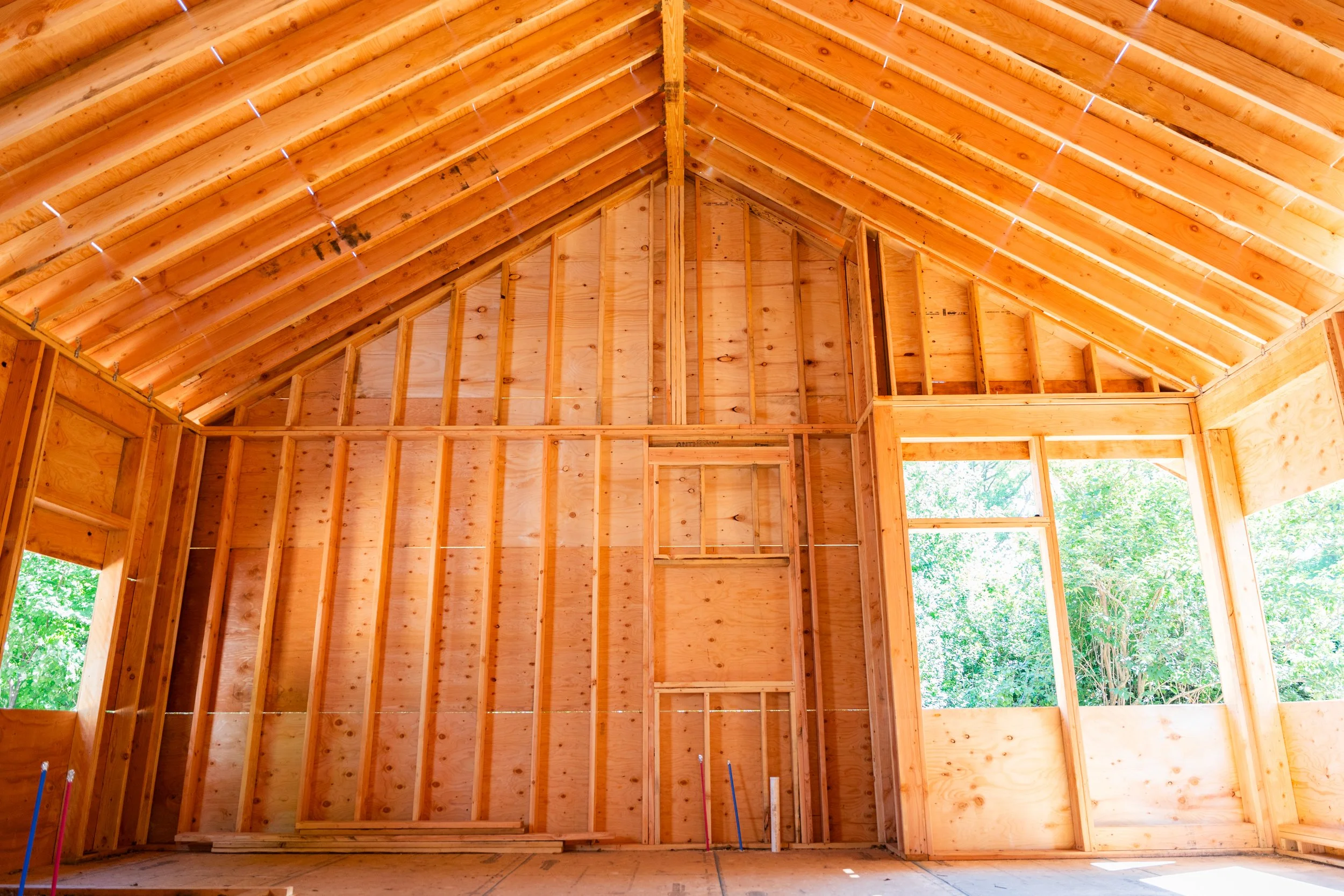
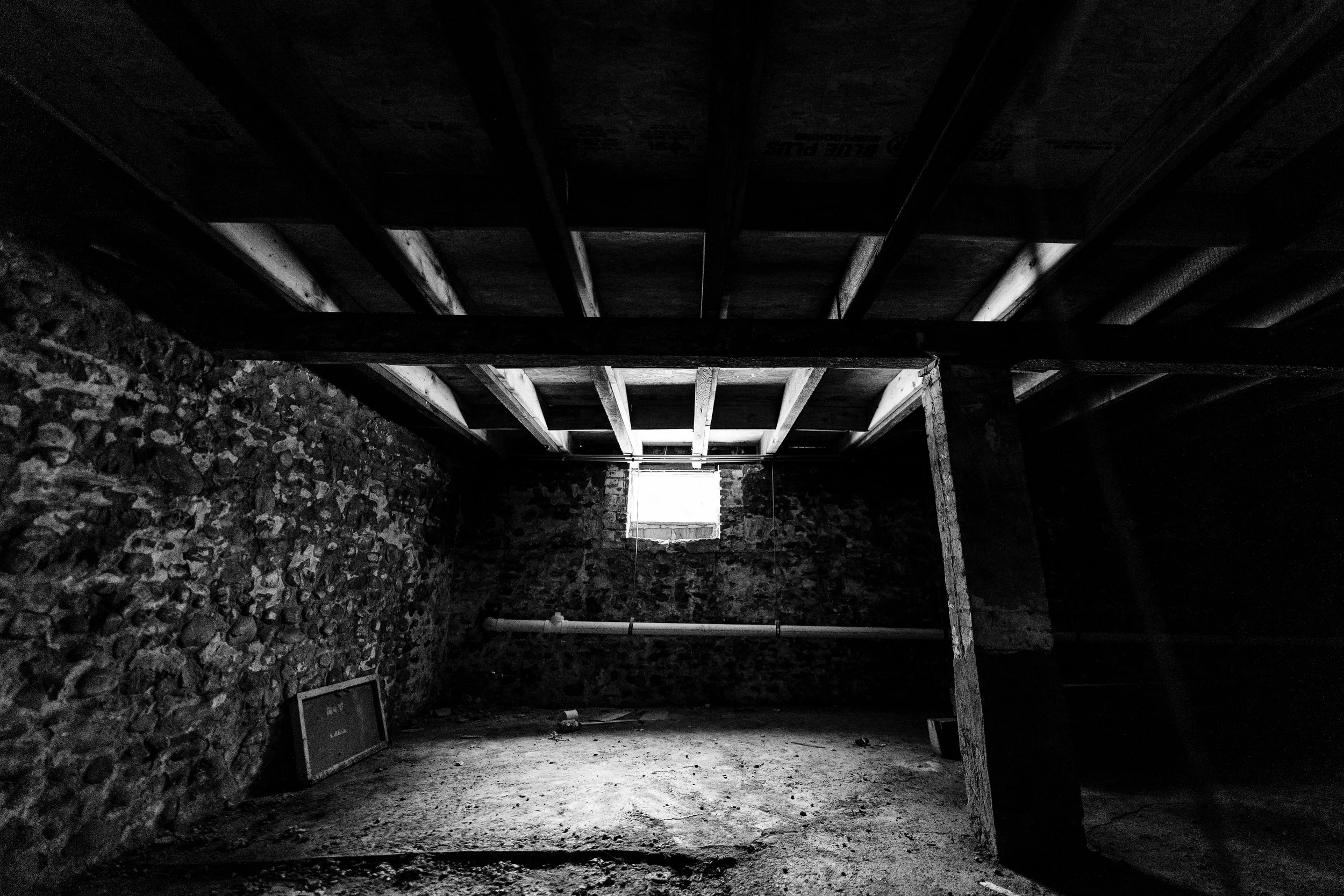
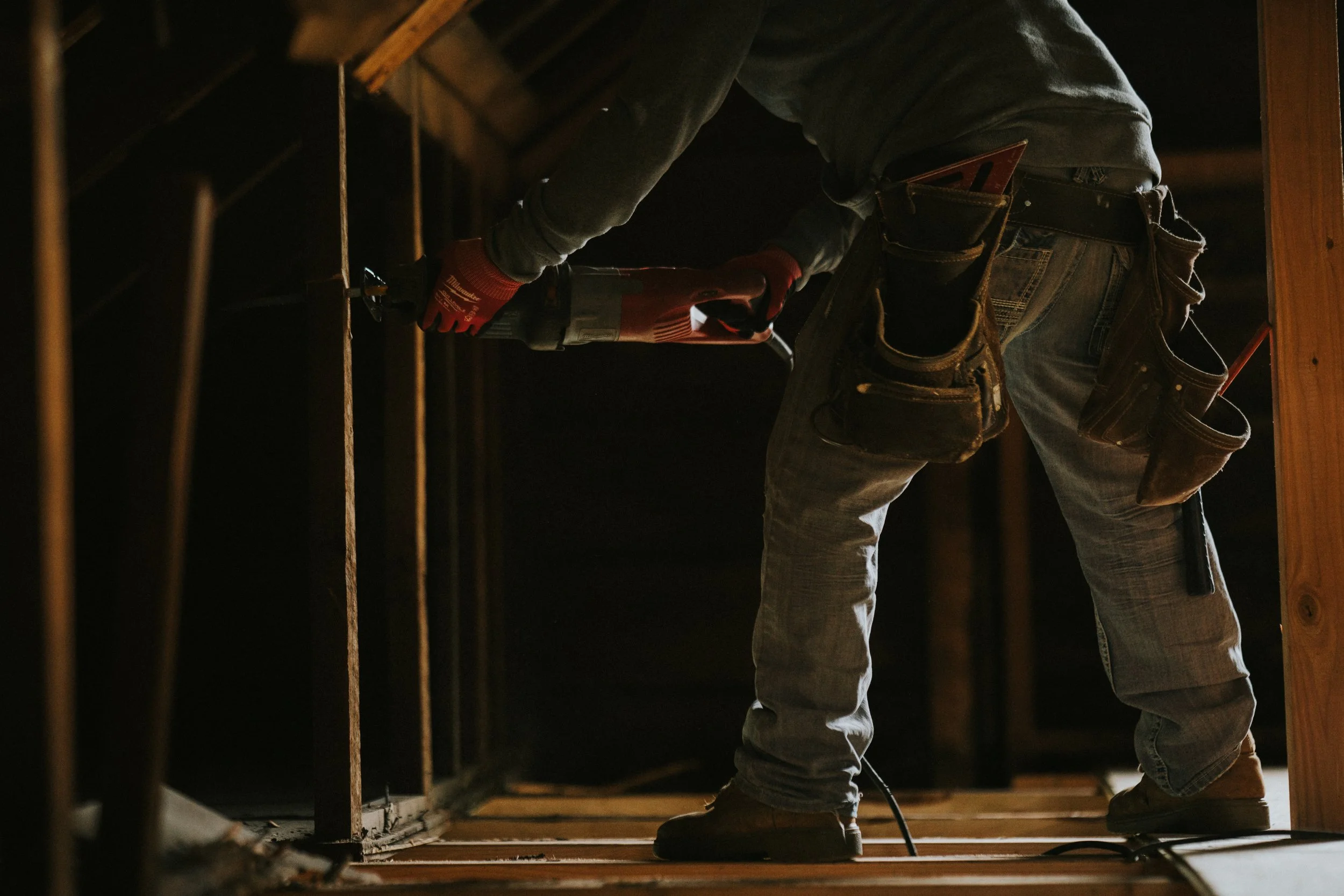
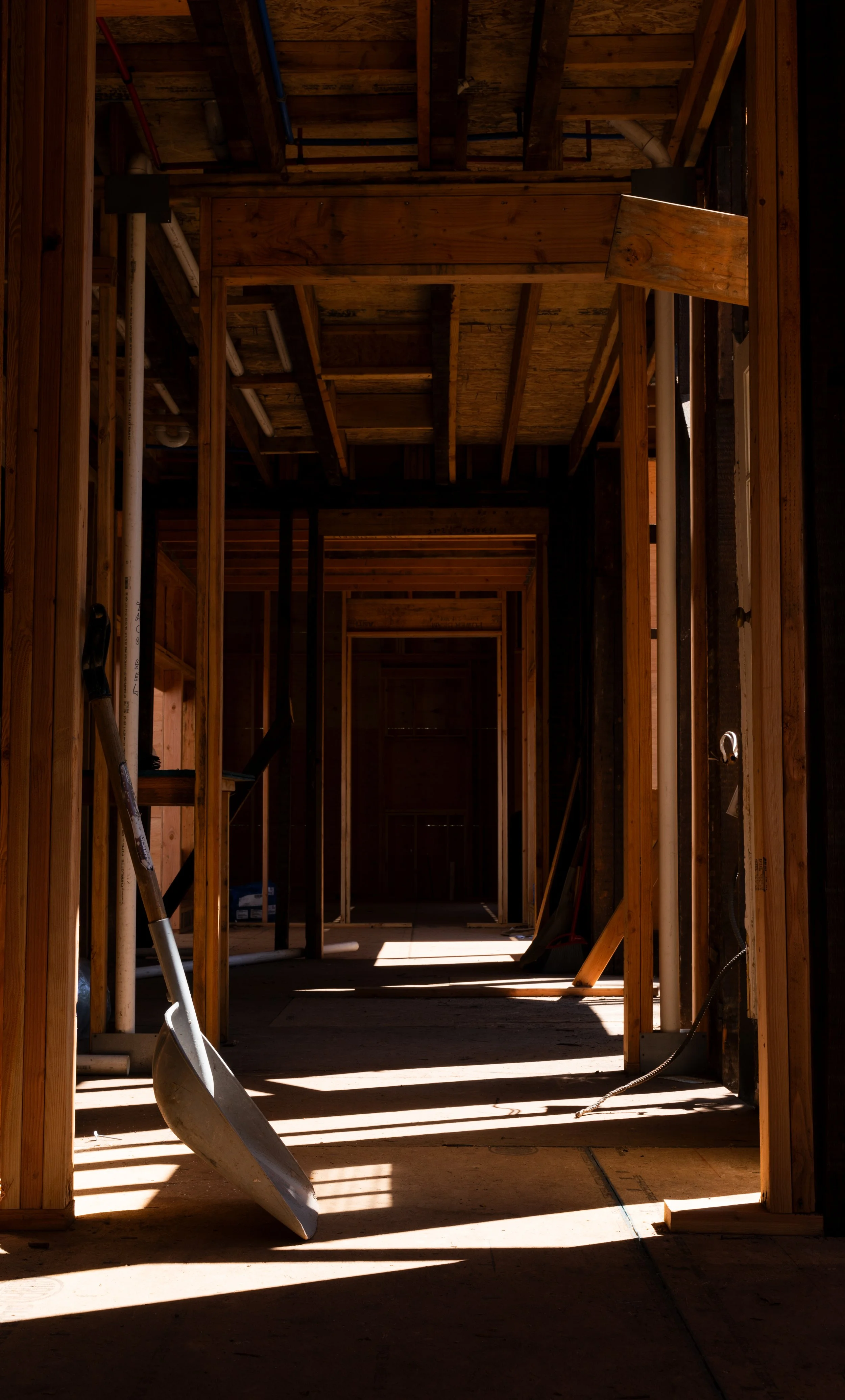
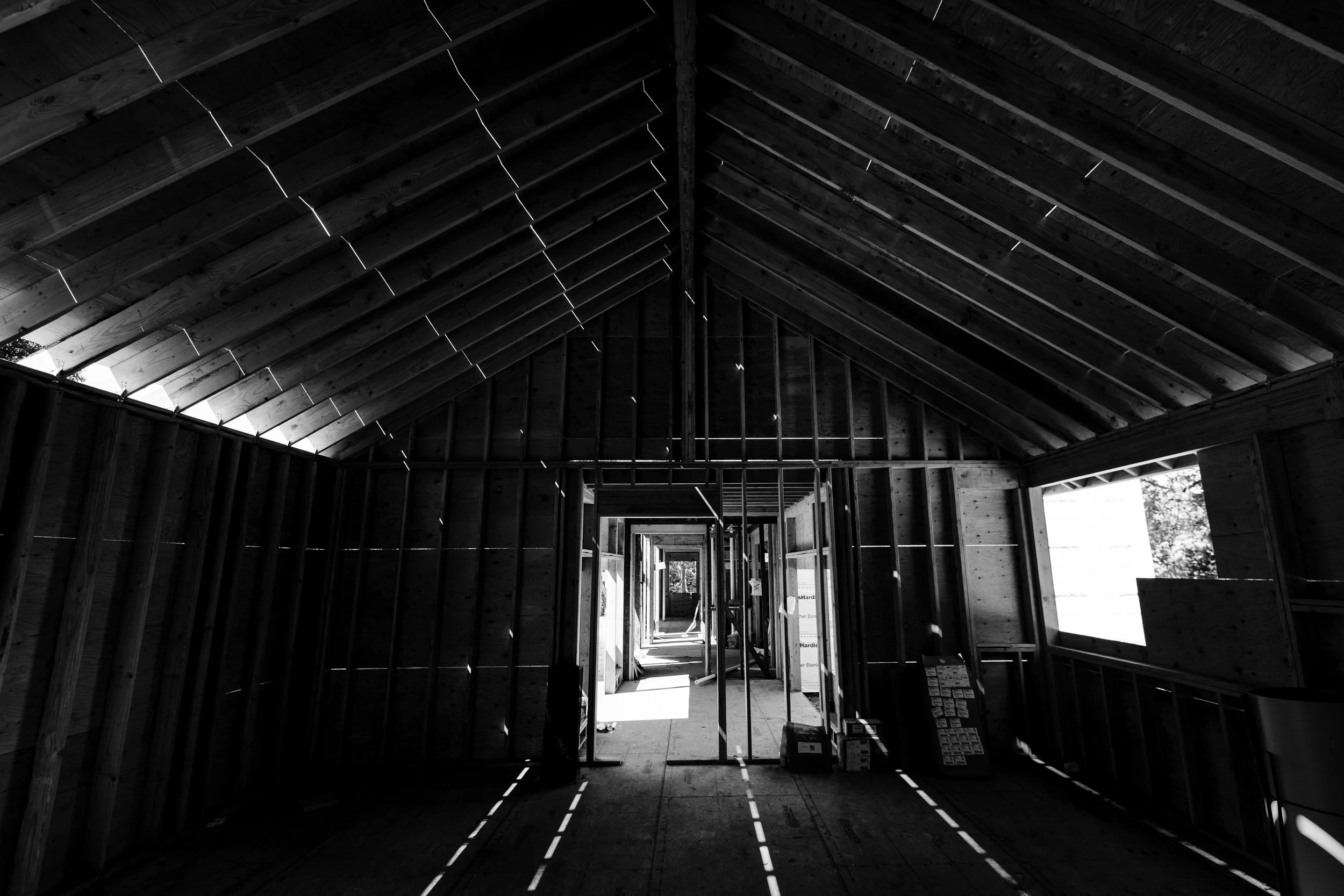
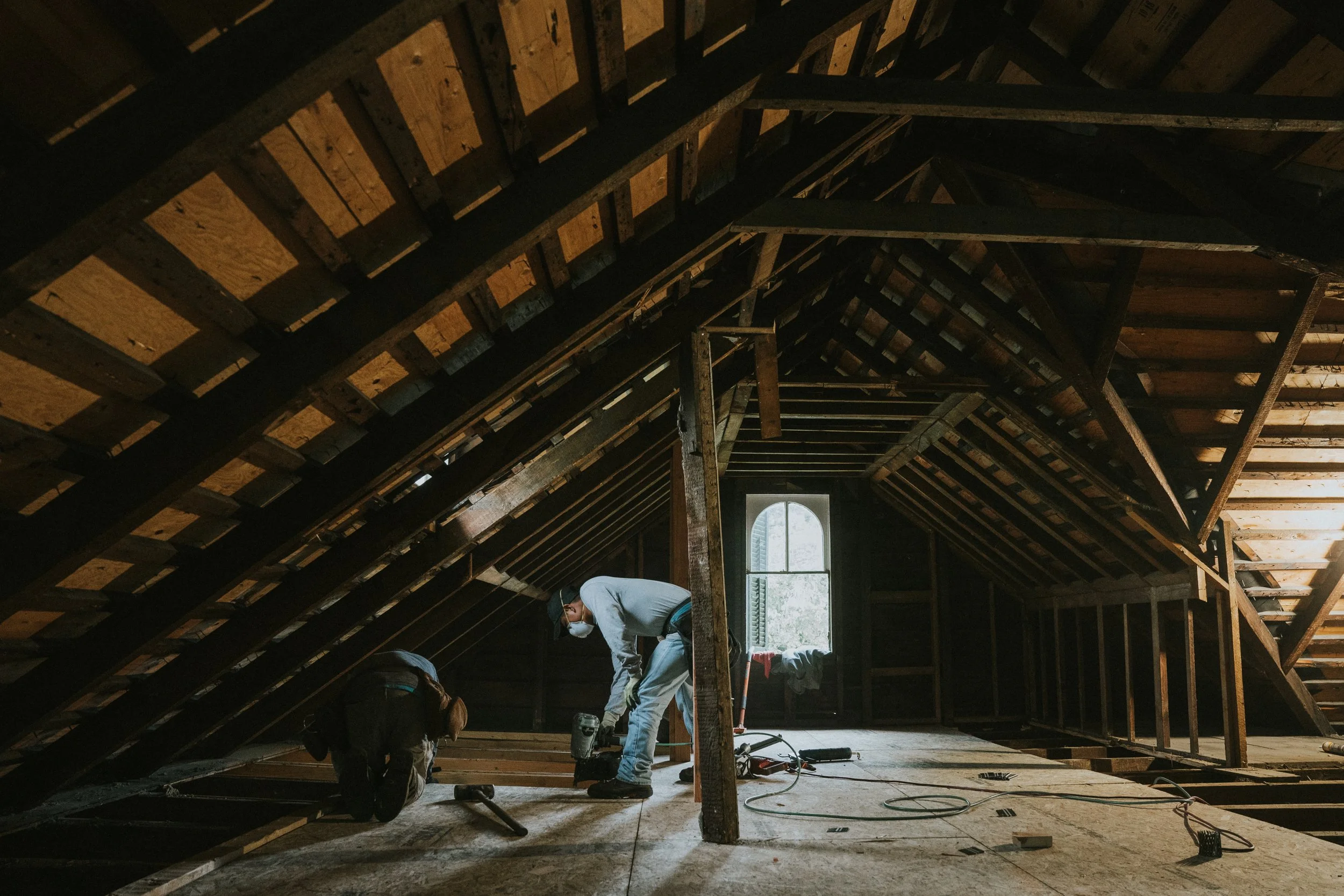
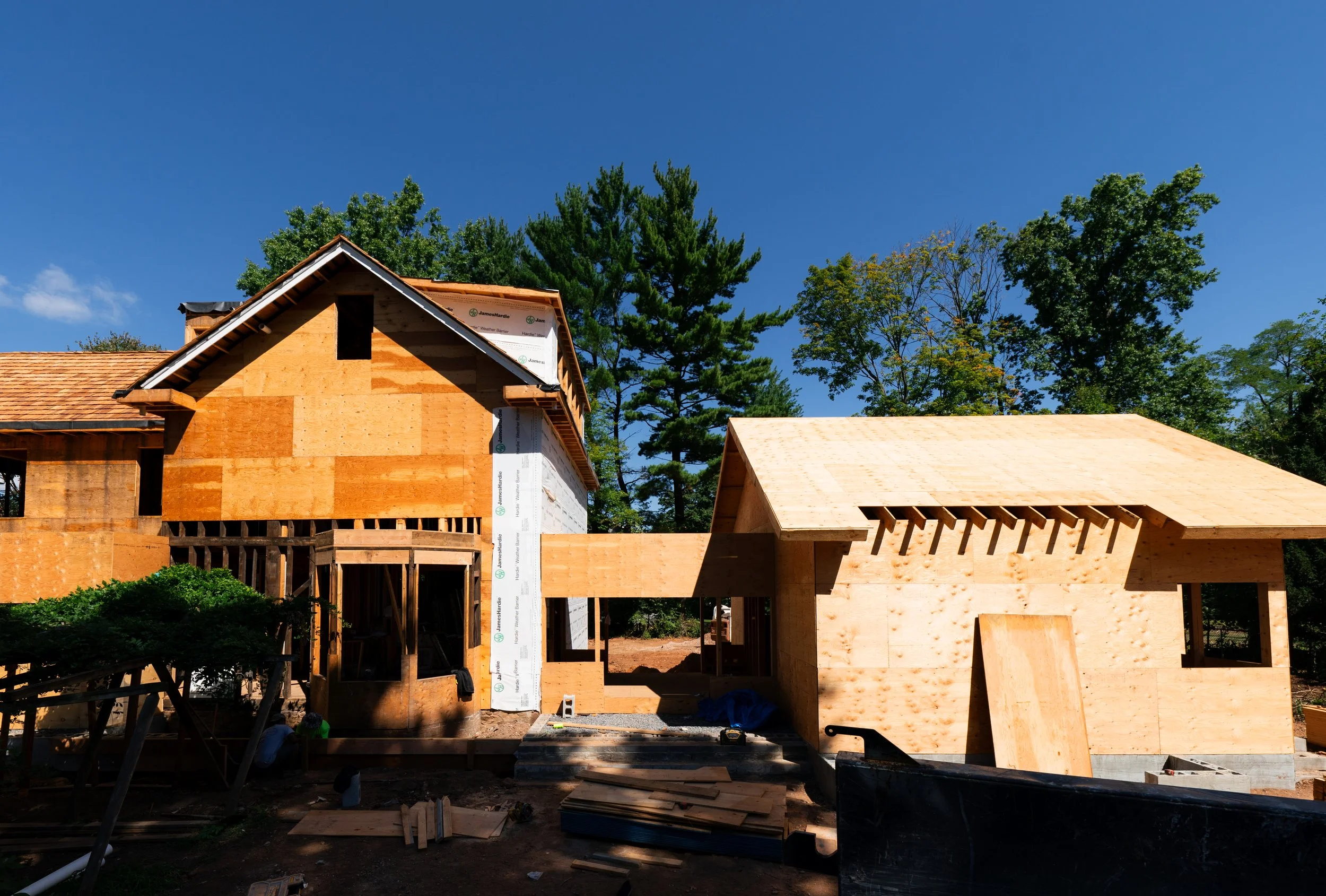
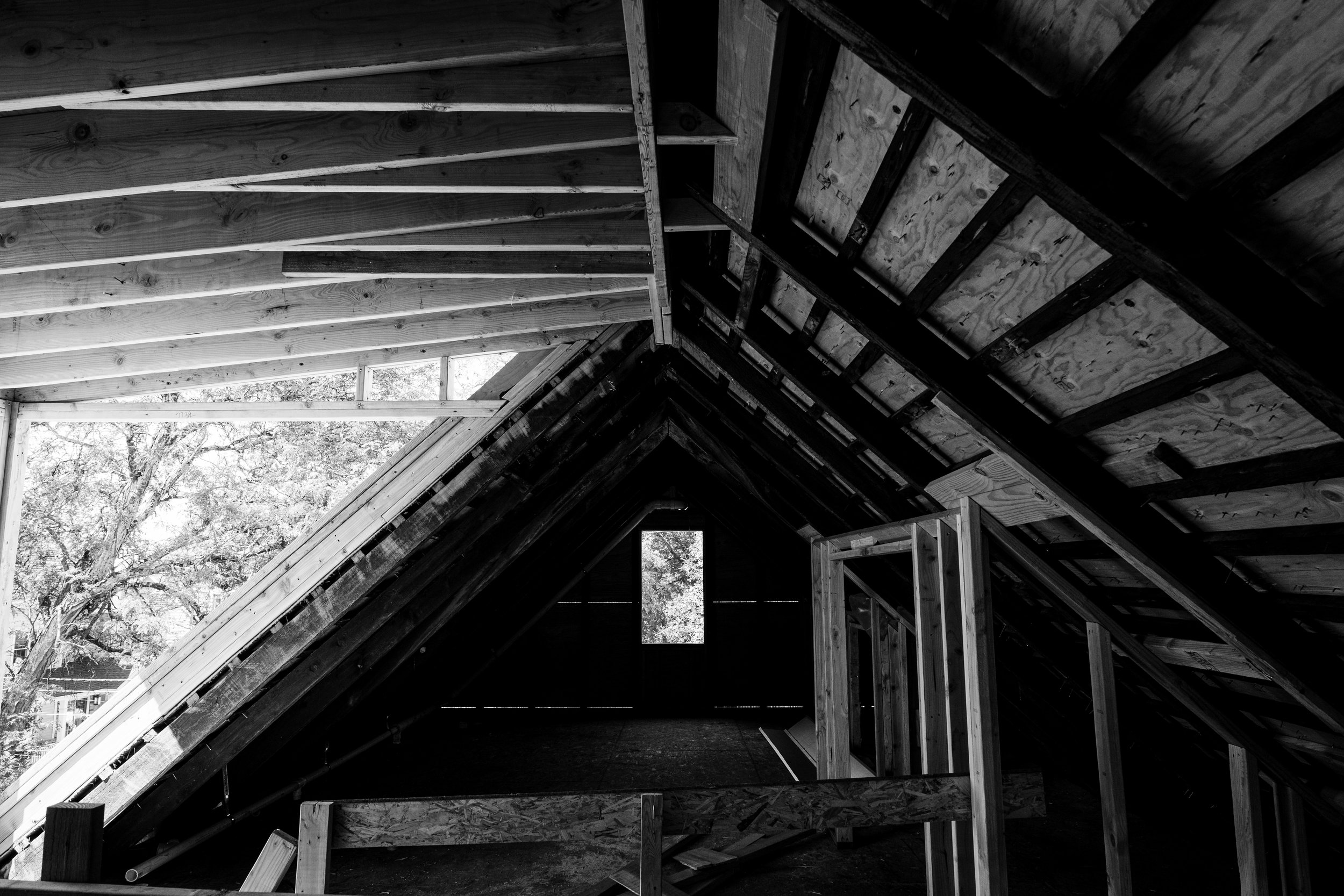
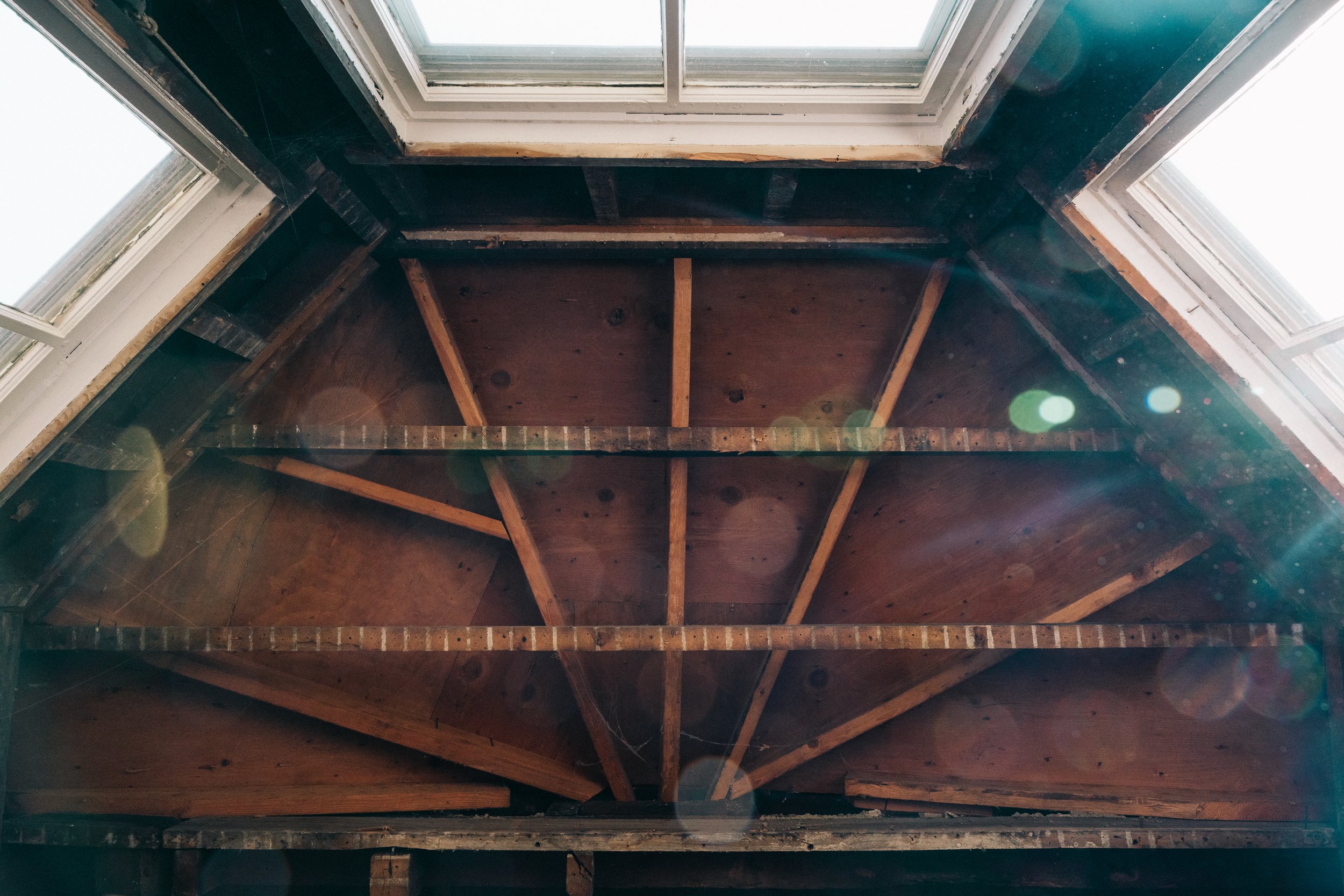
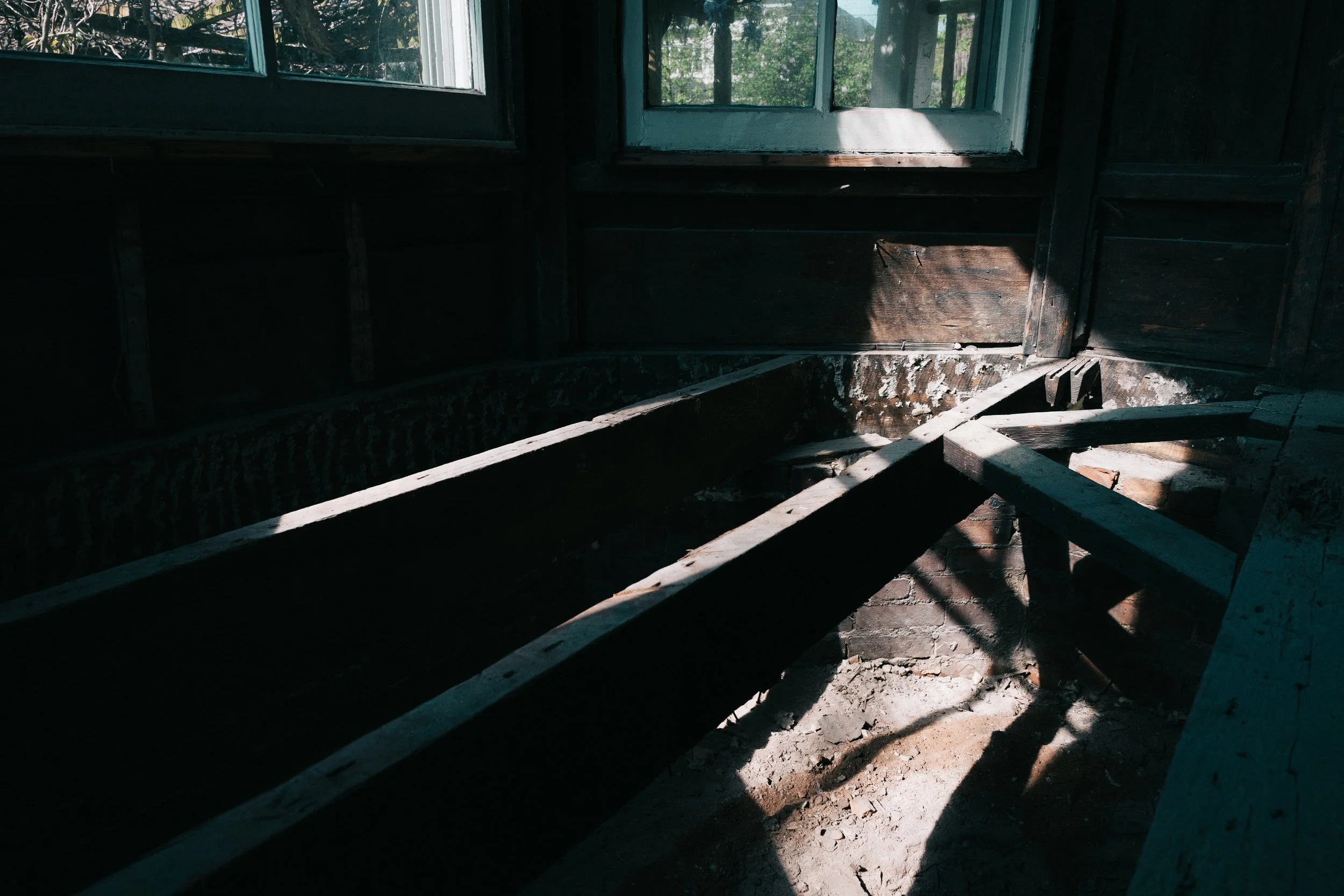
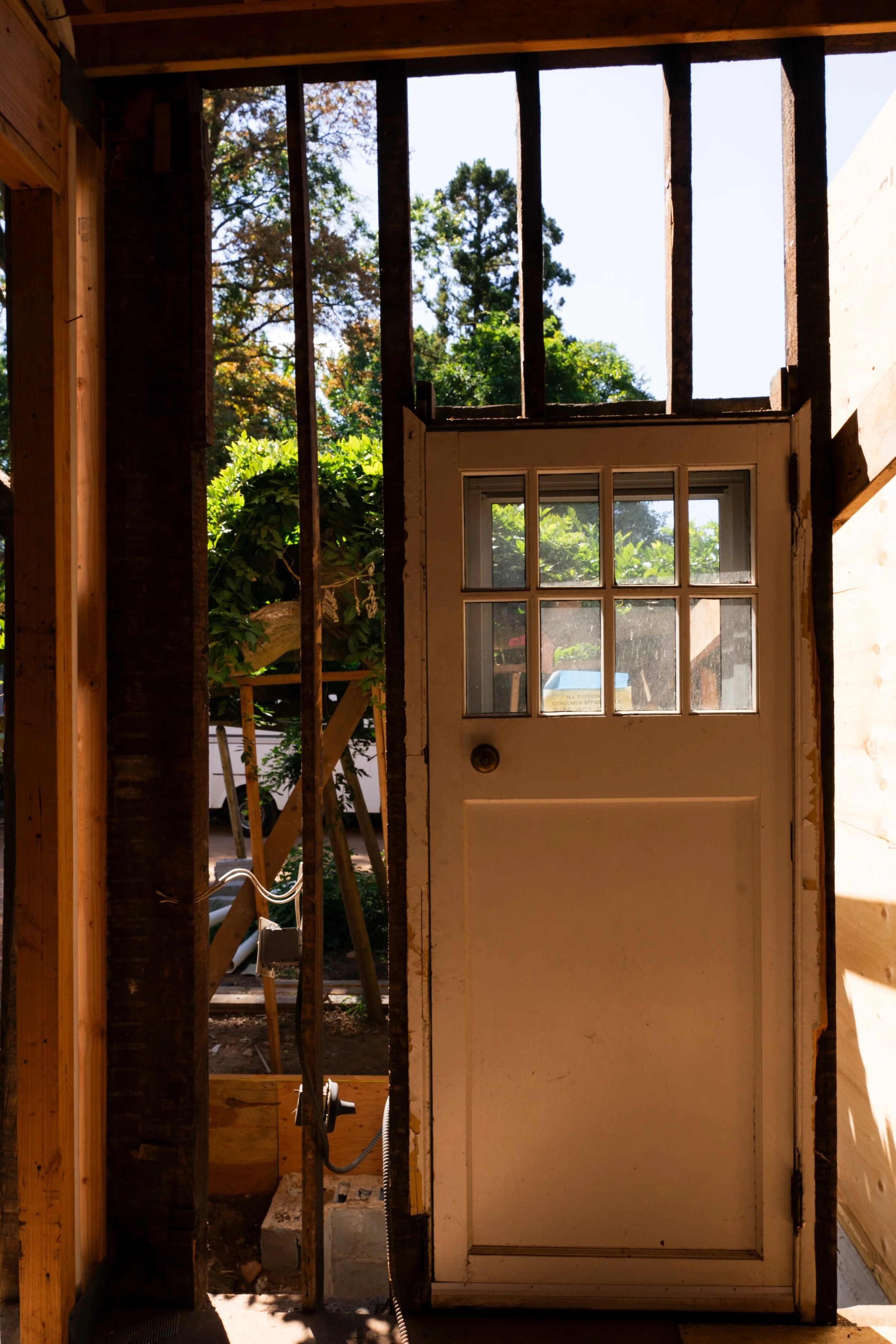
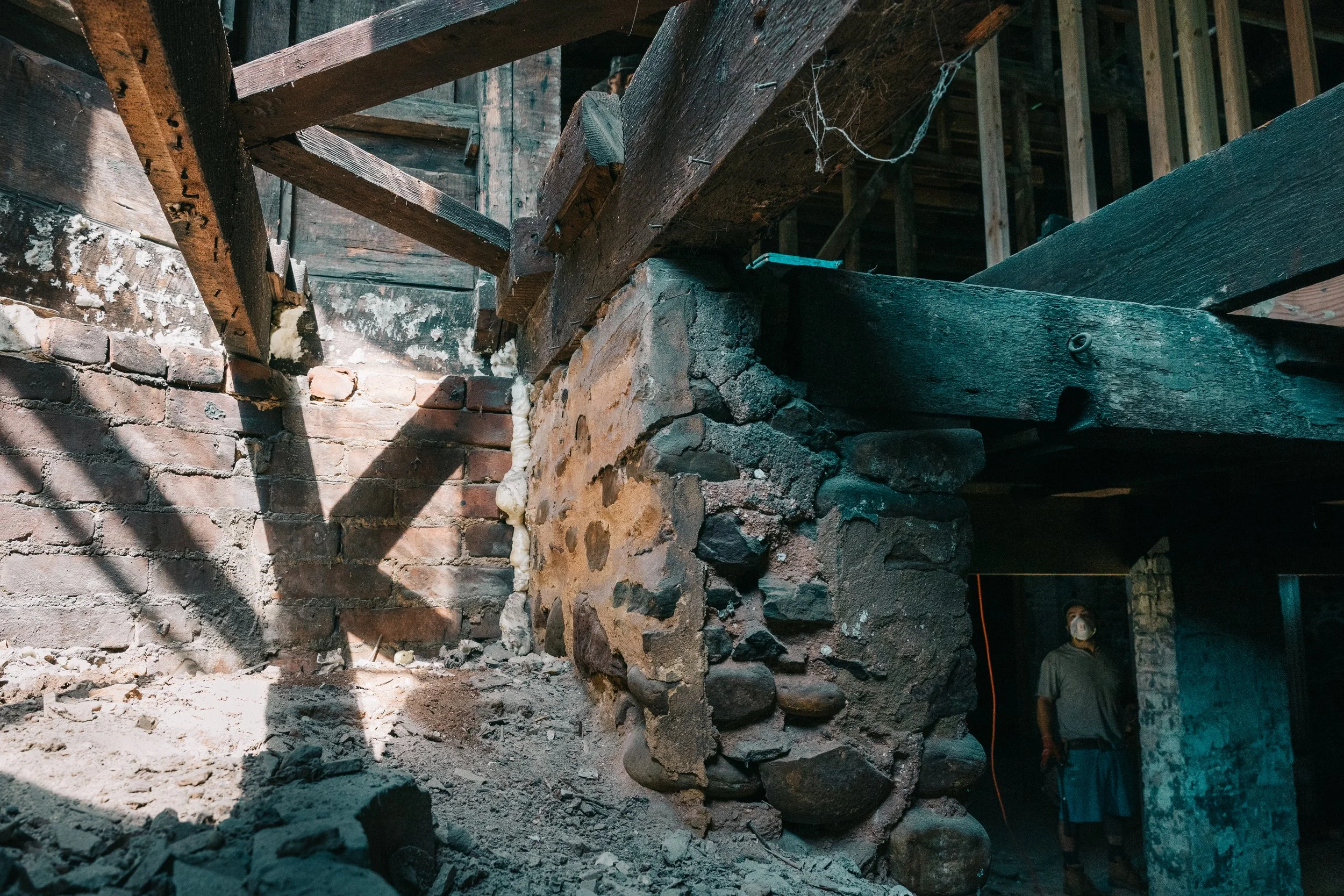
When renovation began, the house was stripped back to its bones. Modern craftsmen stood where their predecessors had stood generations earlier, working directly against the original structure — touching beams that had not been exposed in over two centuries.
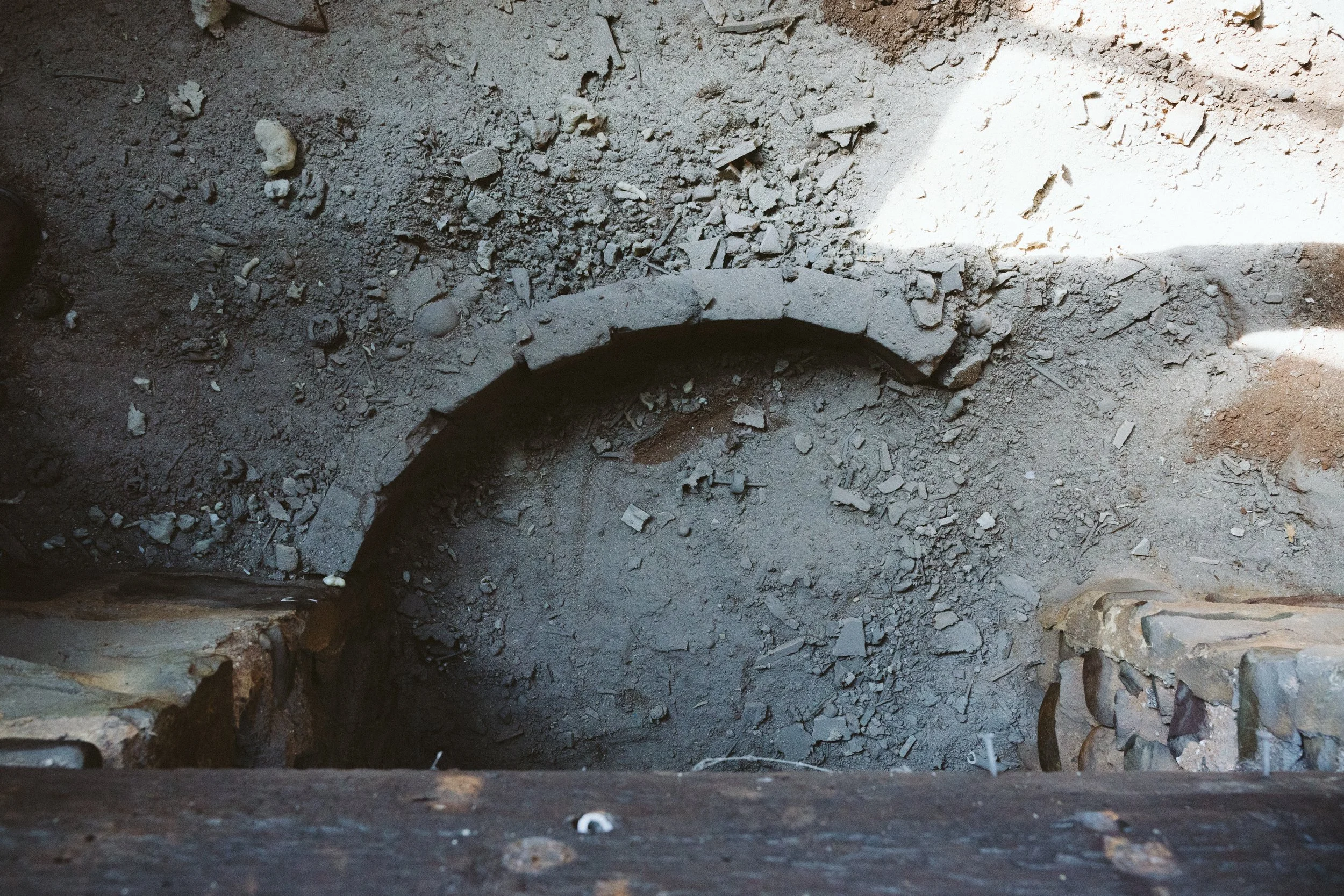
The process was not about erasing age, but entering into conversation with it.
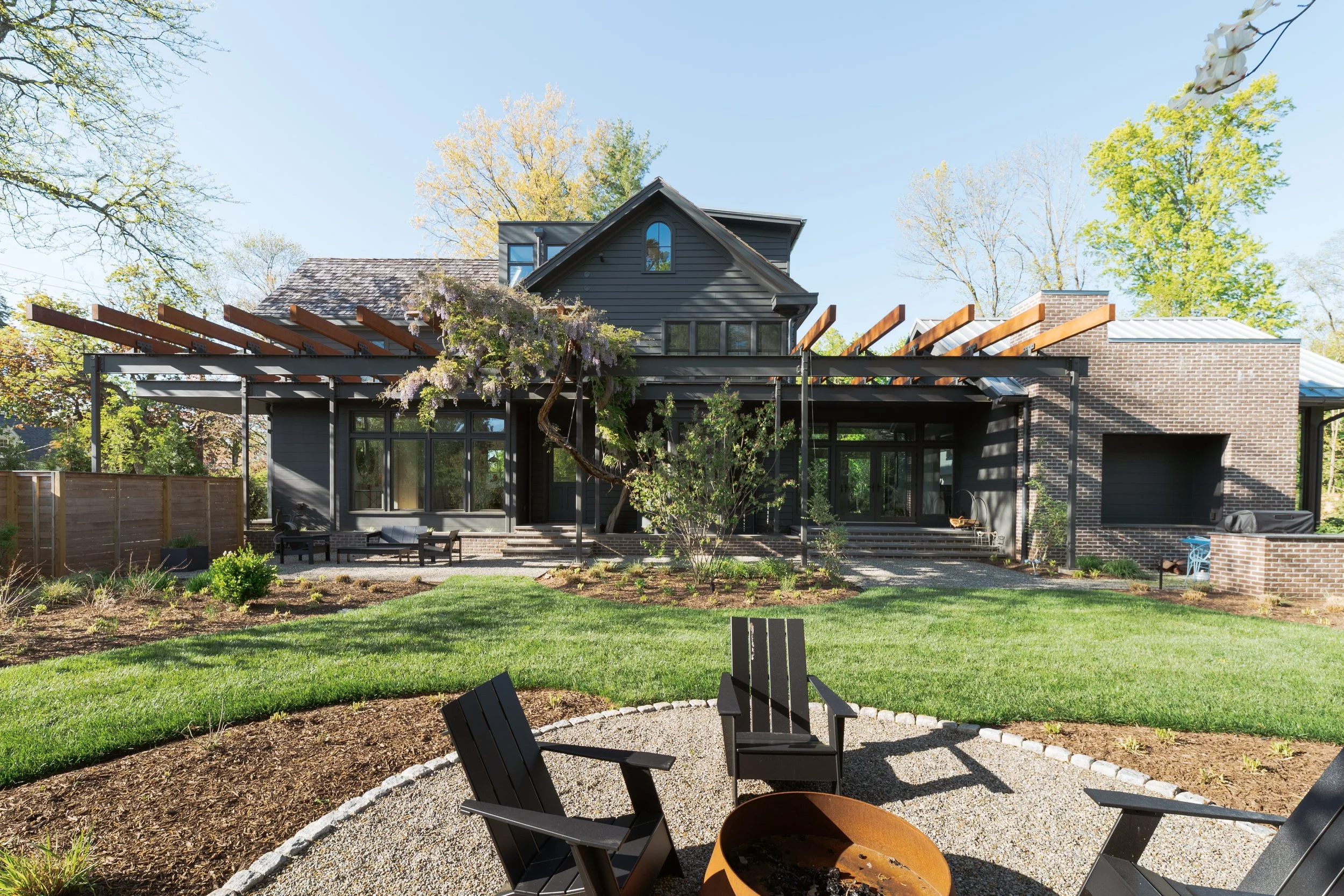
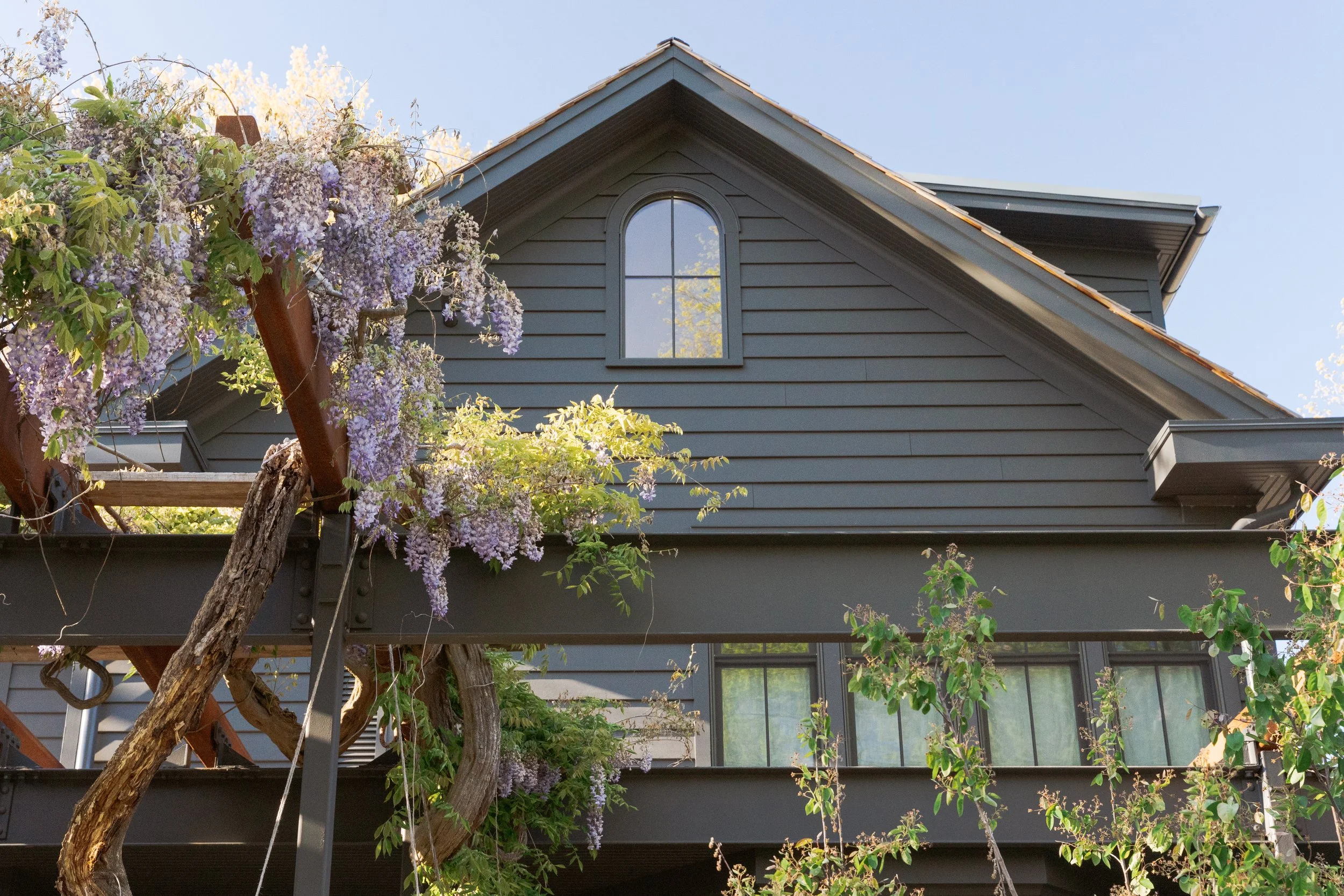
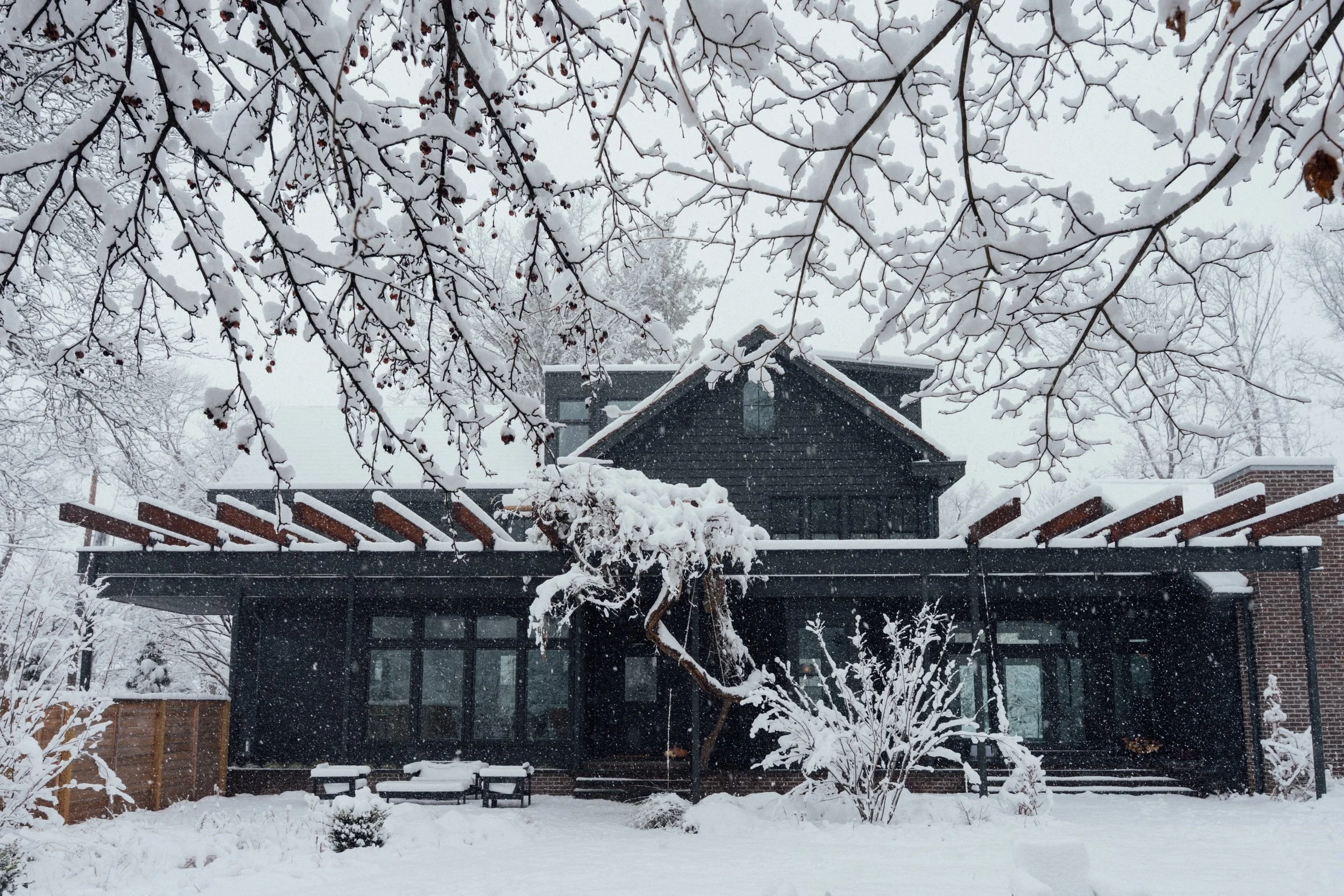
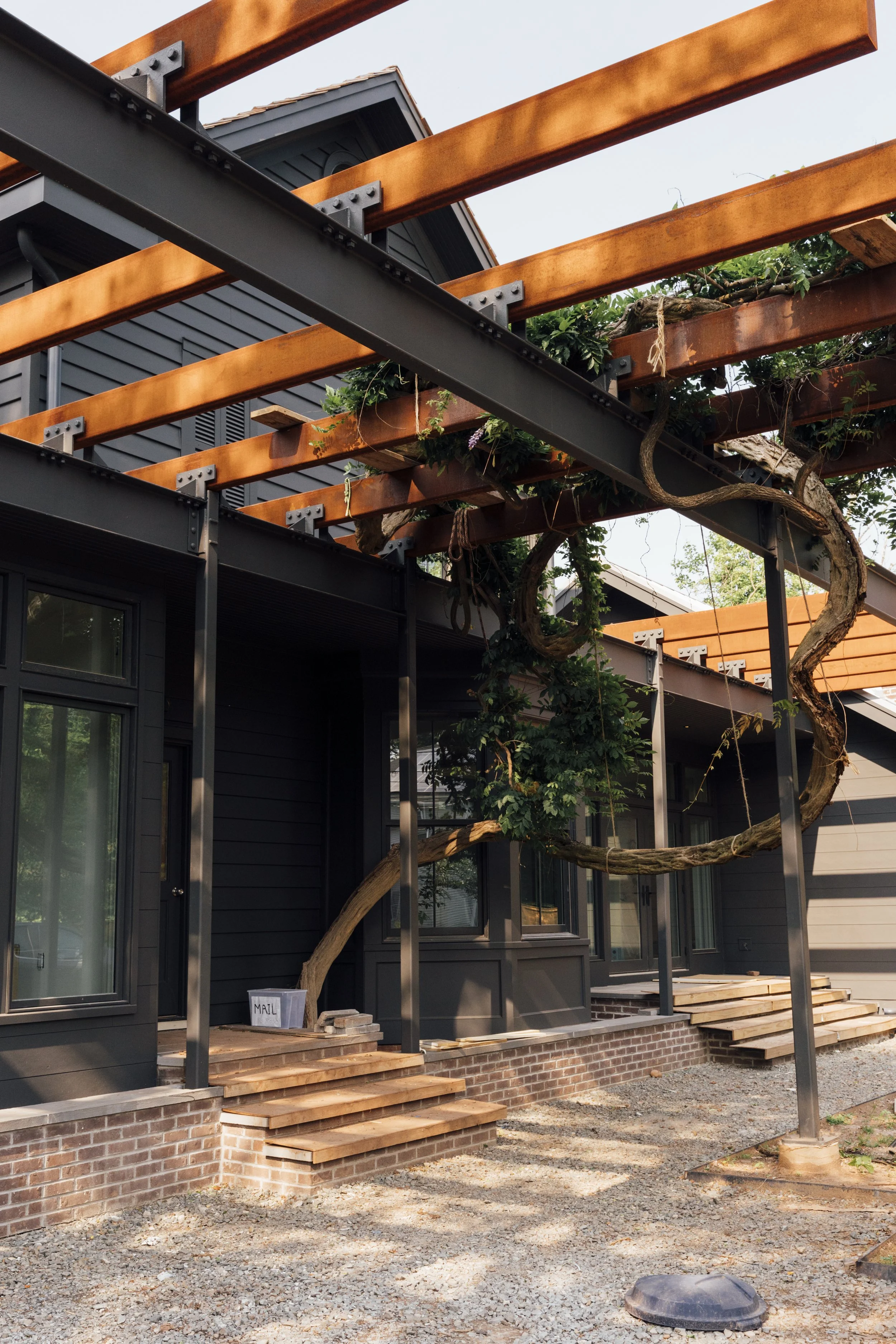
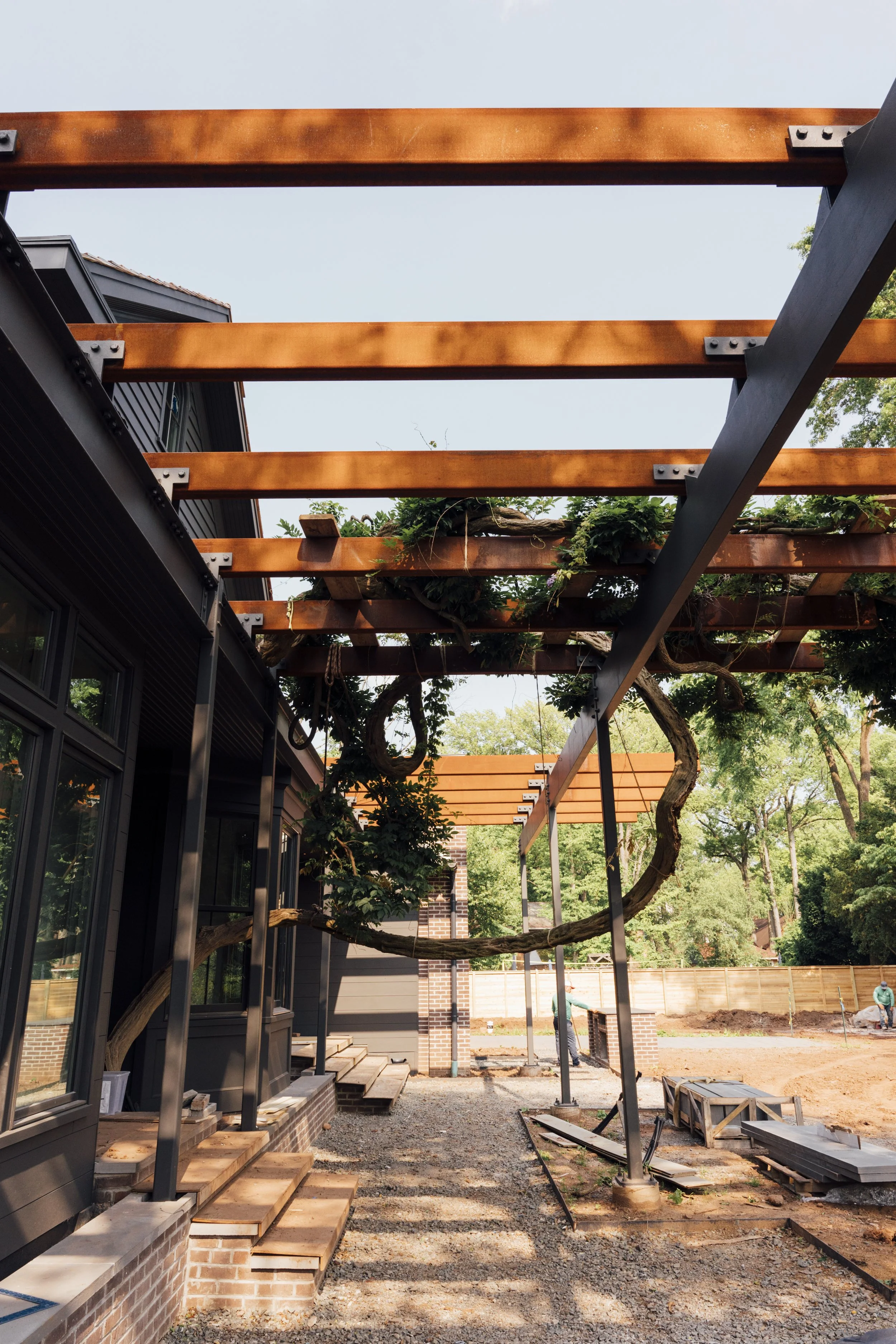
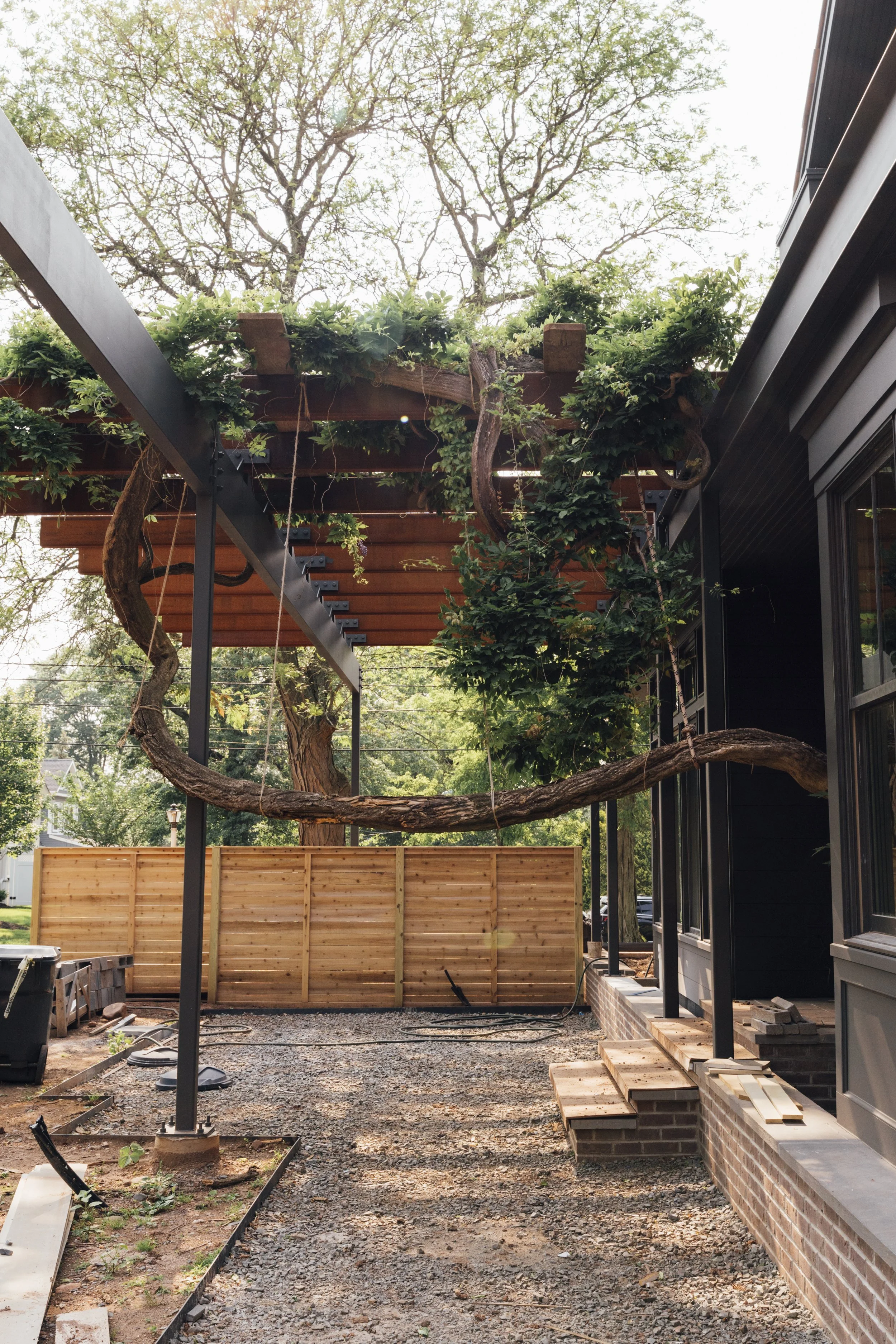
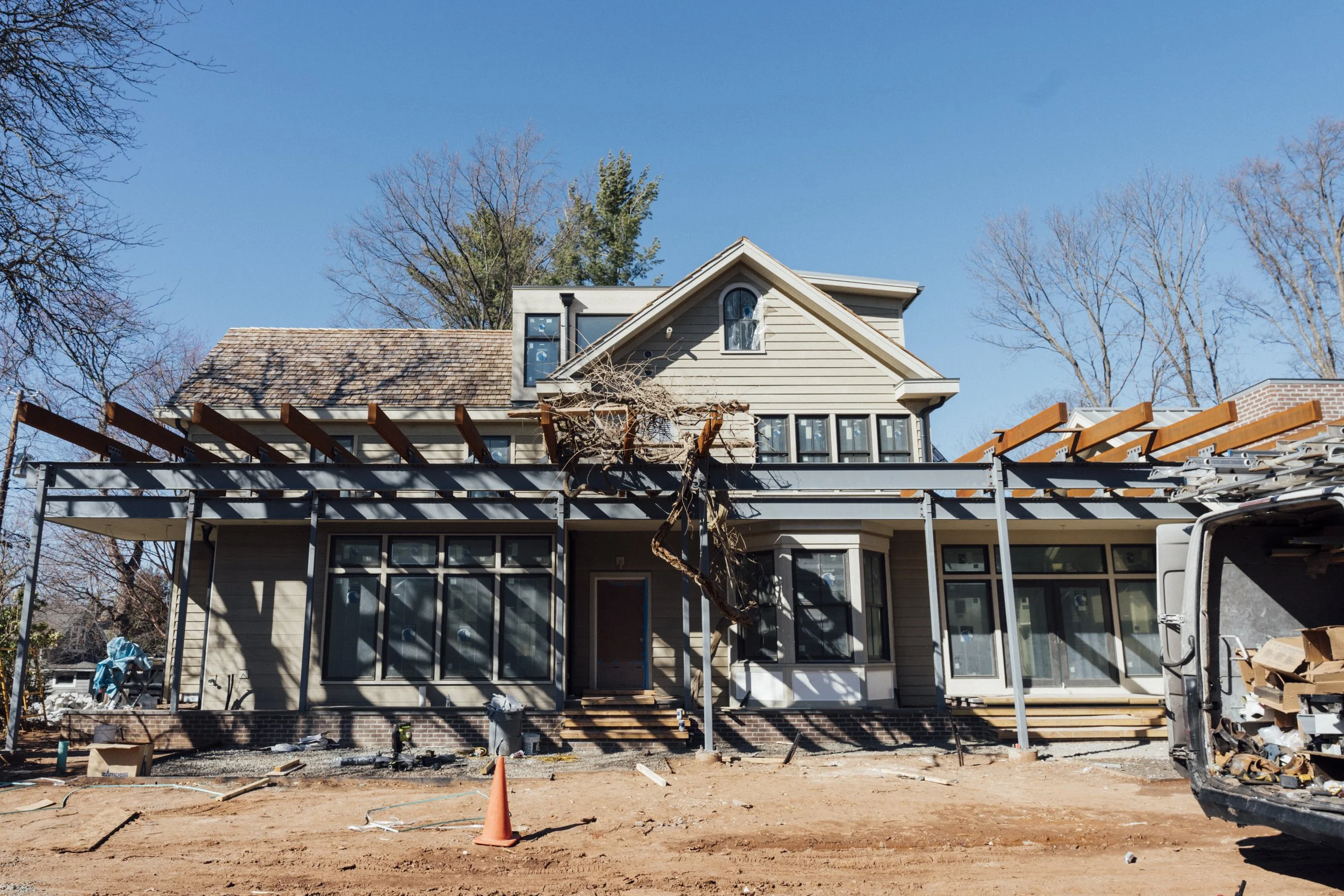
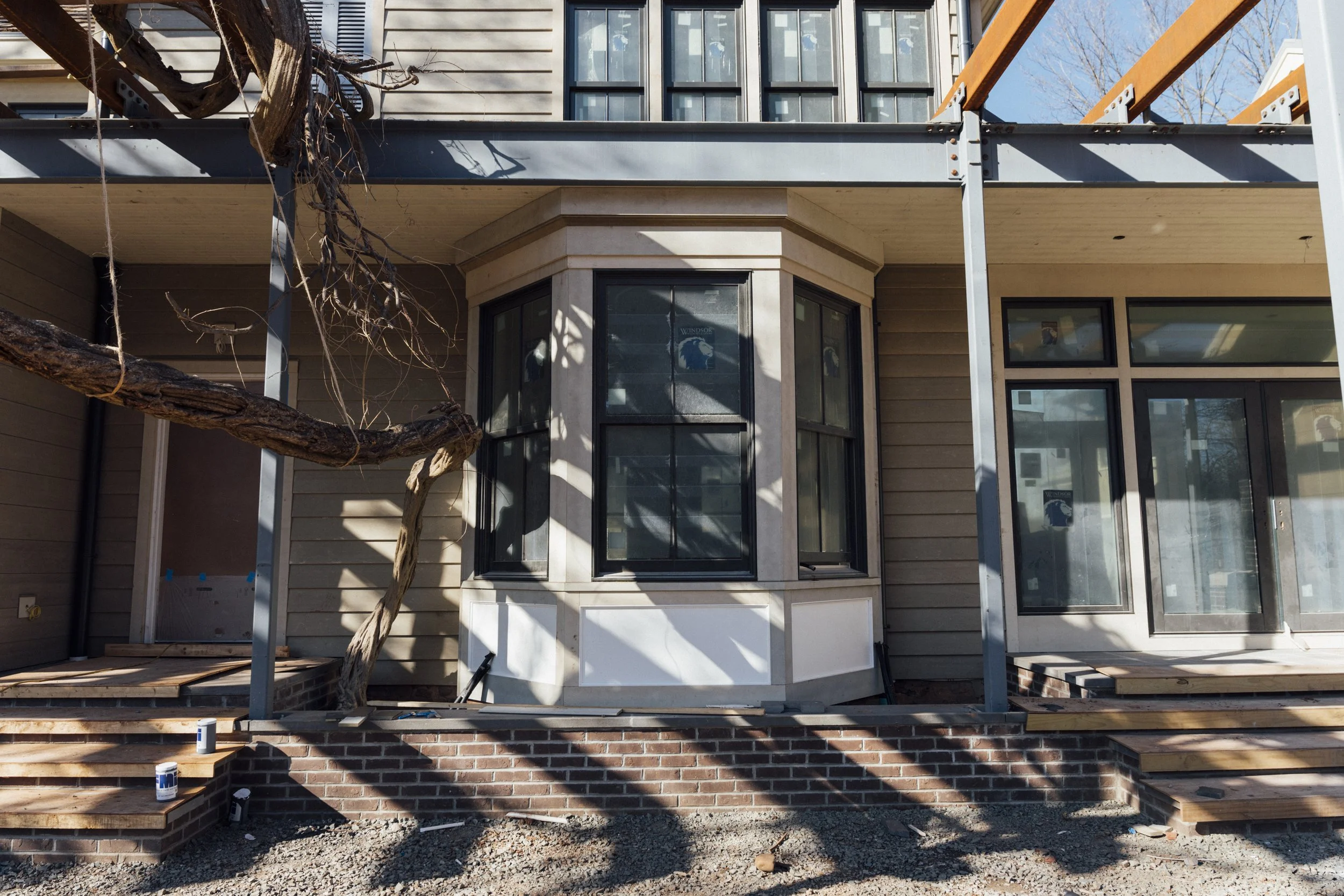
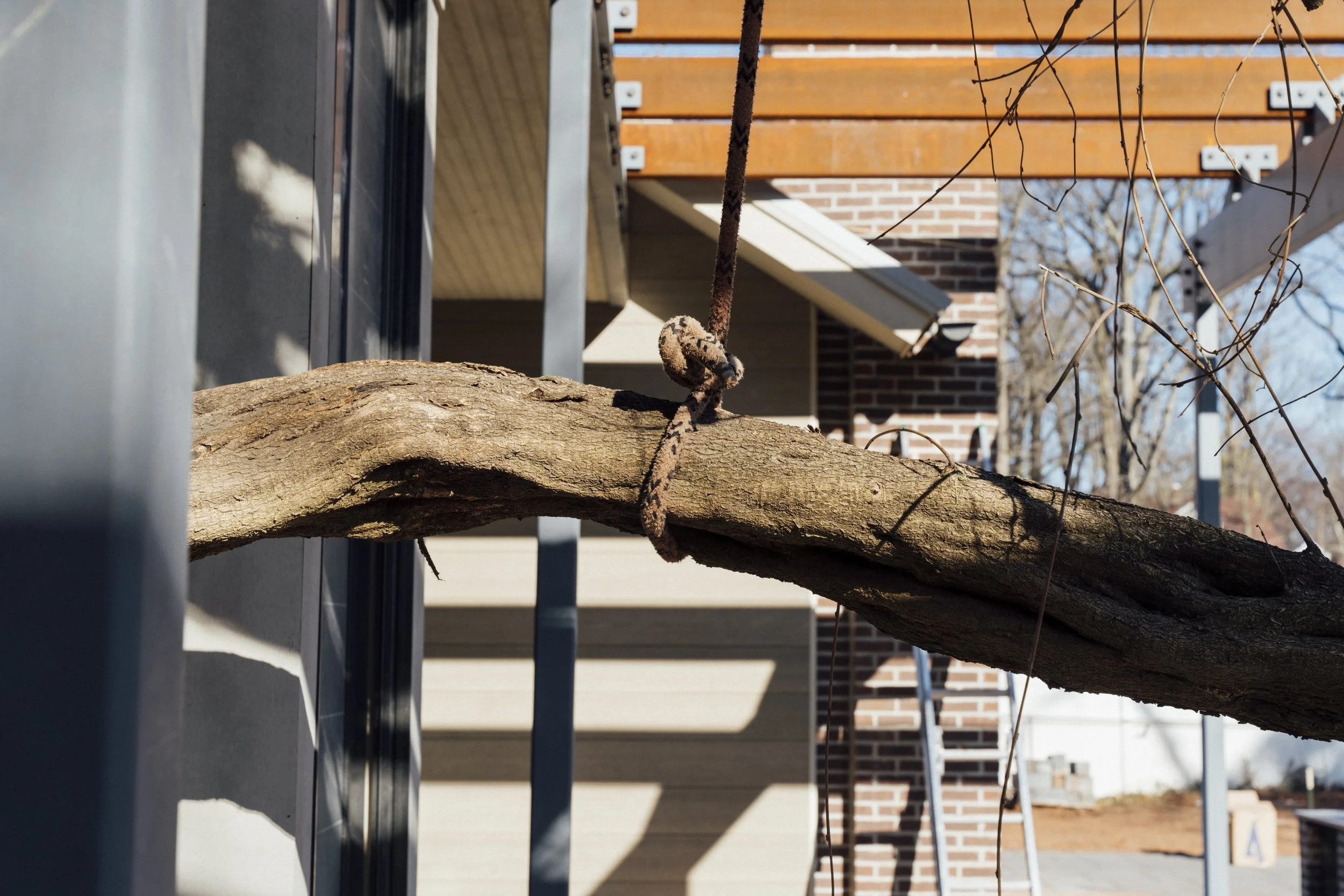
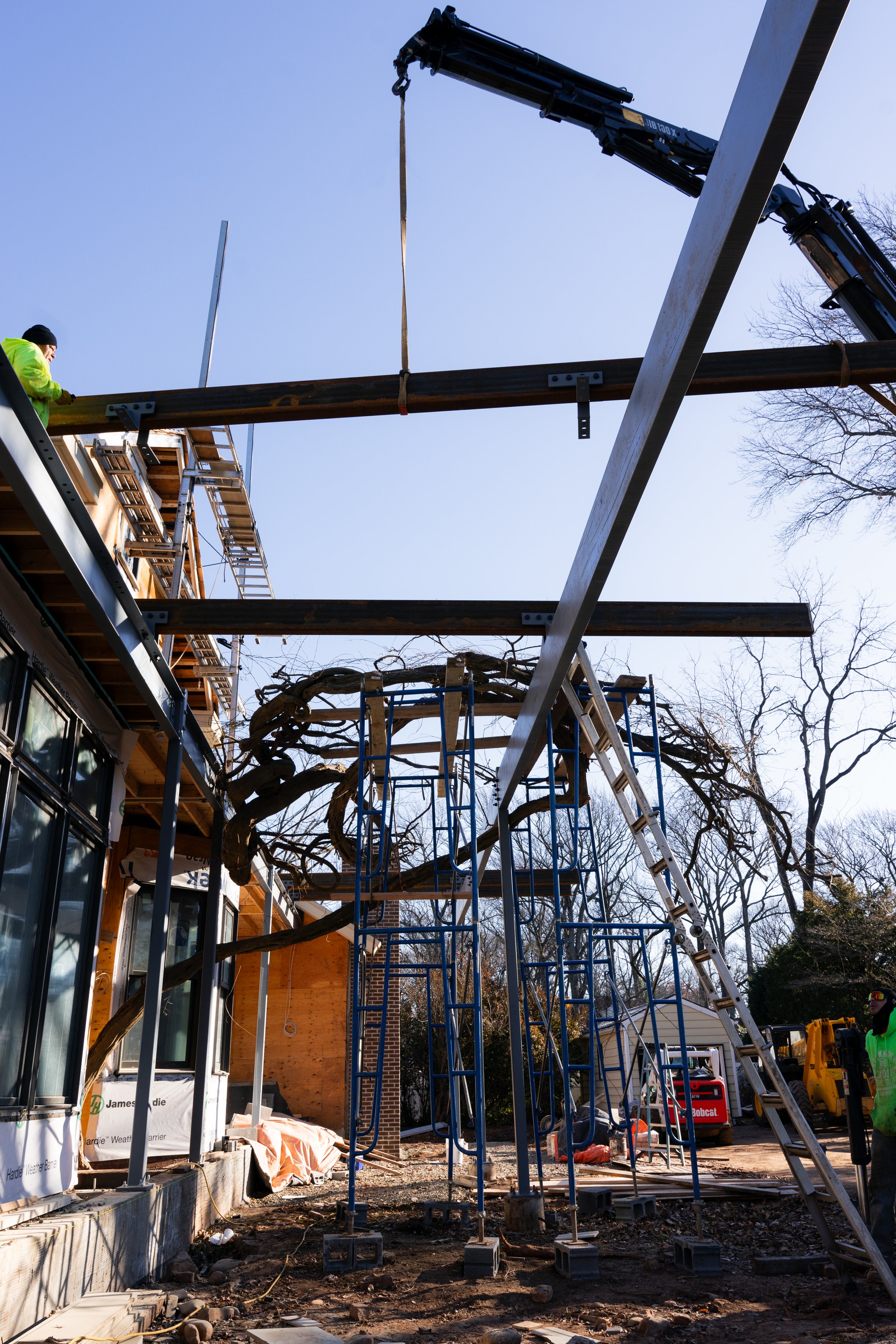
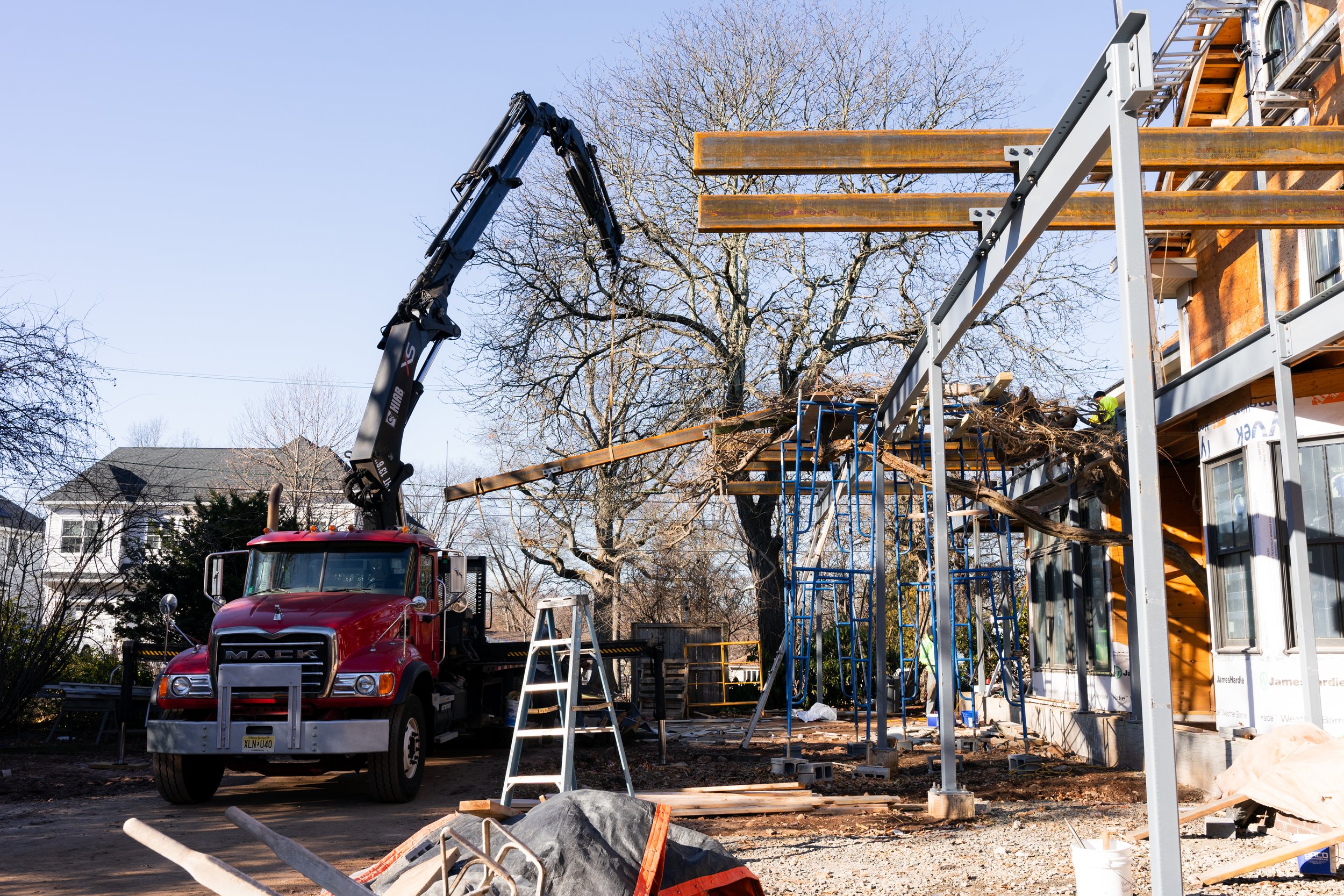
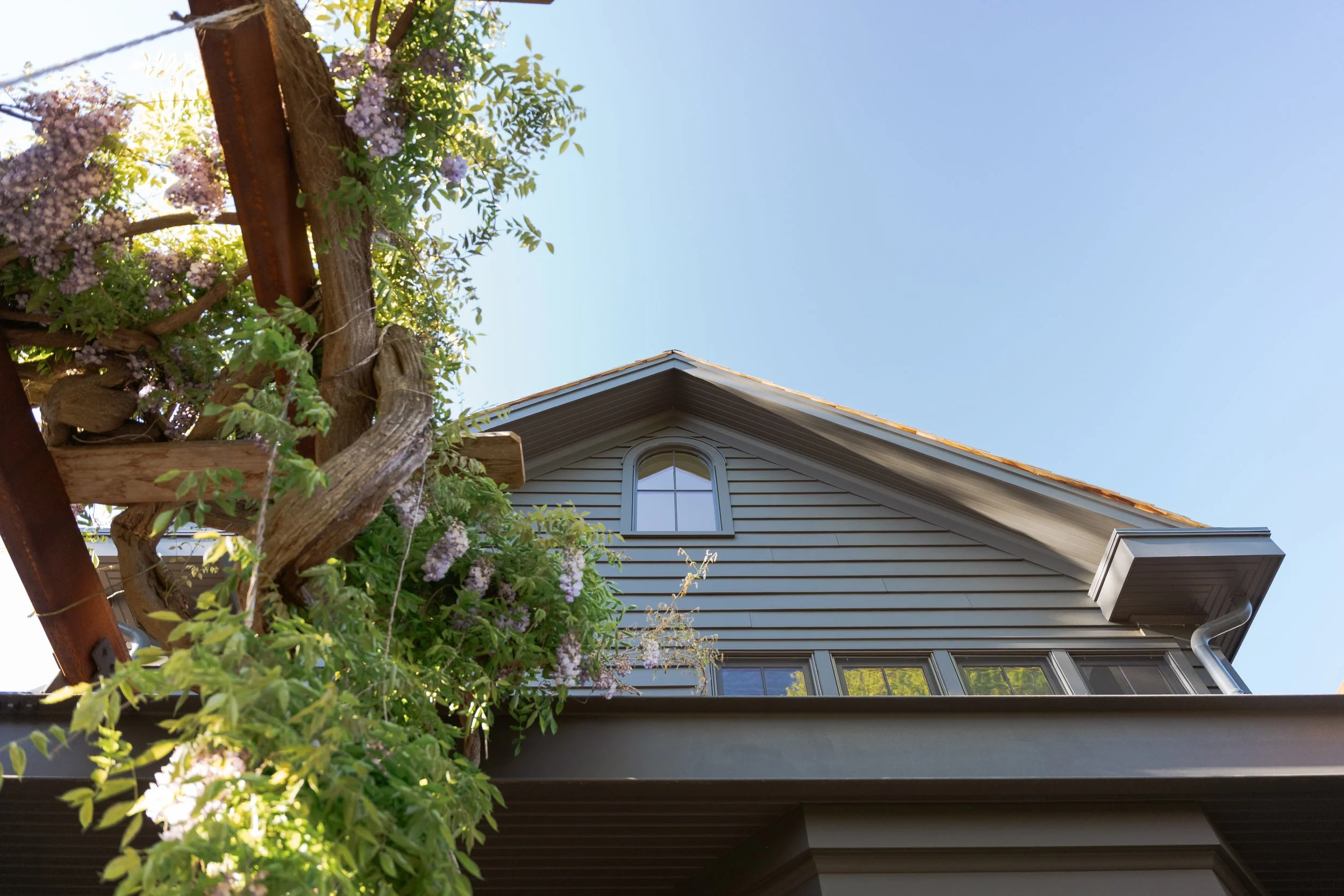
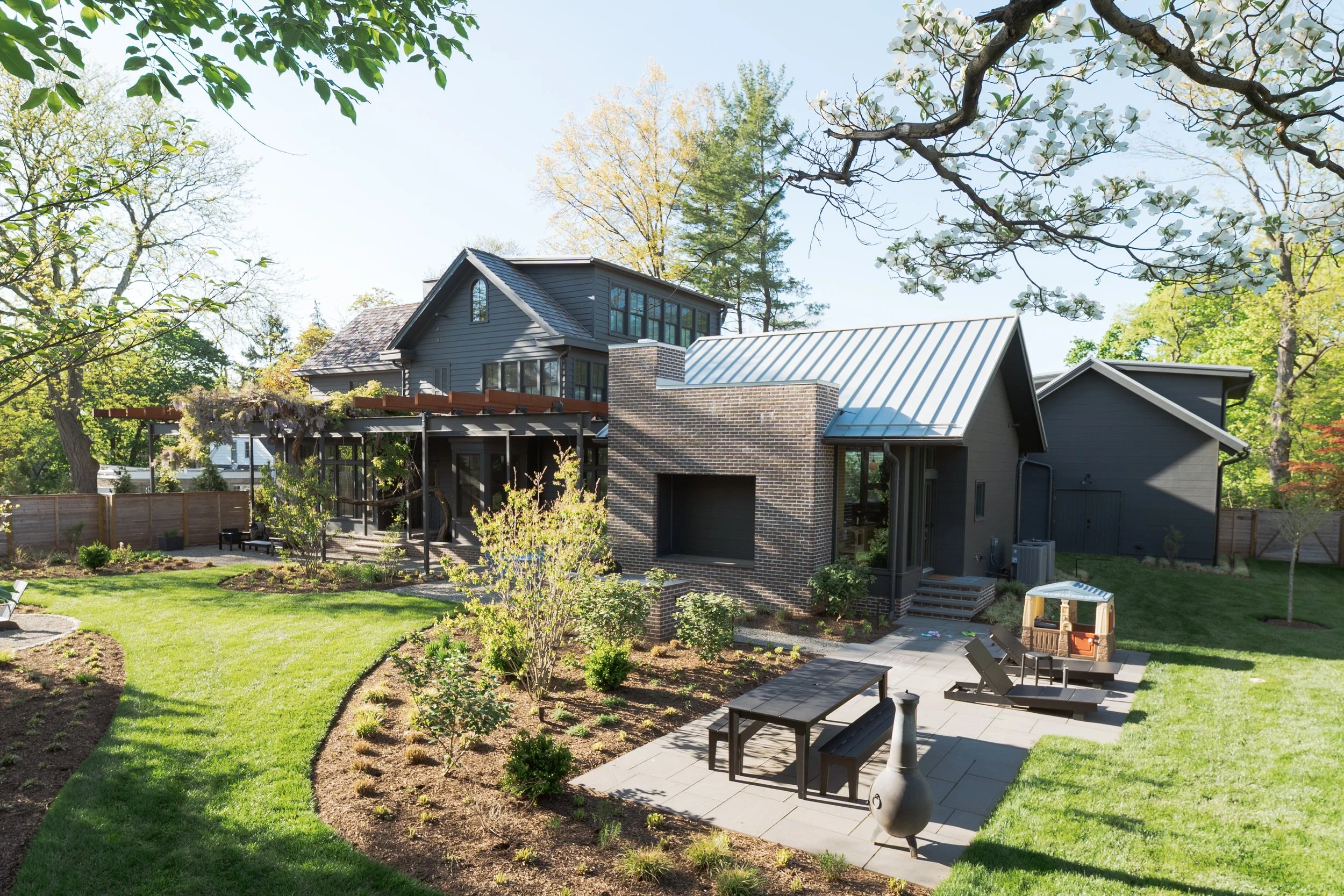
One of the most extraordinary witnesses to that passage of time was the wisteria vine outside the home. Estimated to be more than 150 years old, it remained rooted through the entire transformation. Twisted, weathered, and alive, the vine became a kind of living archive — older than most towns around it, older than person who passed beneath it.
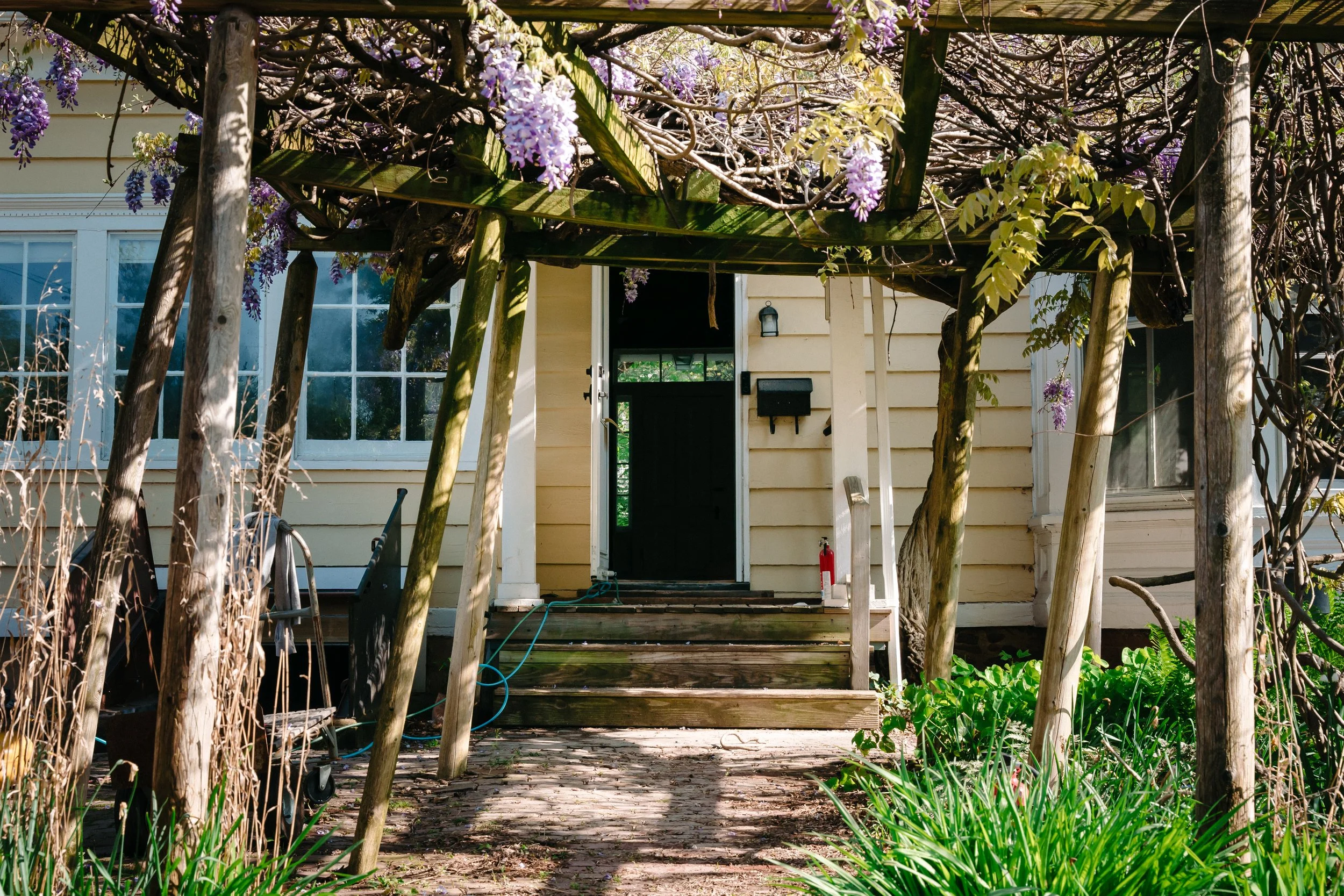
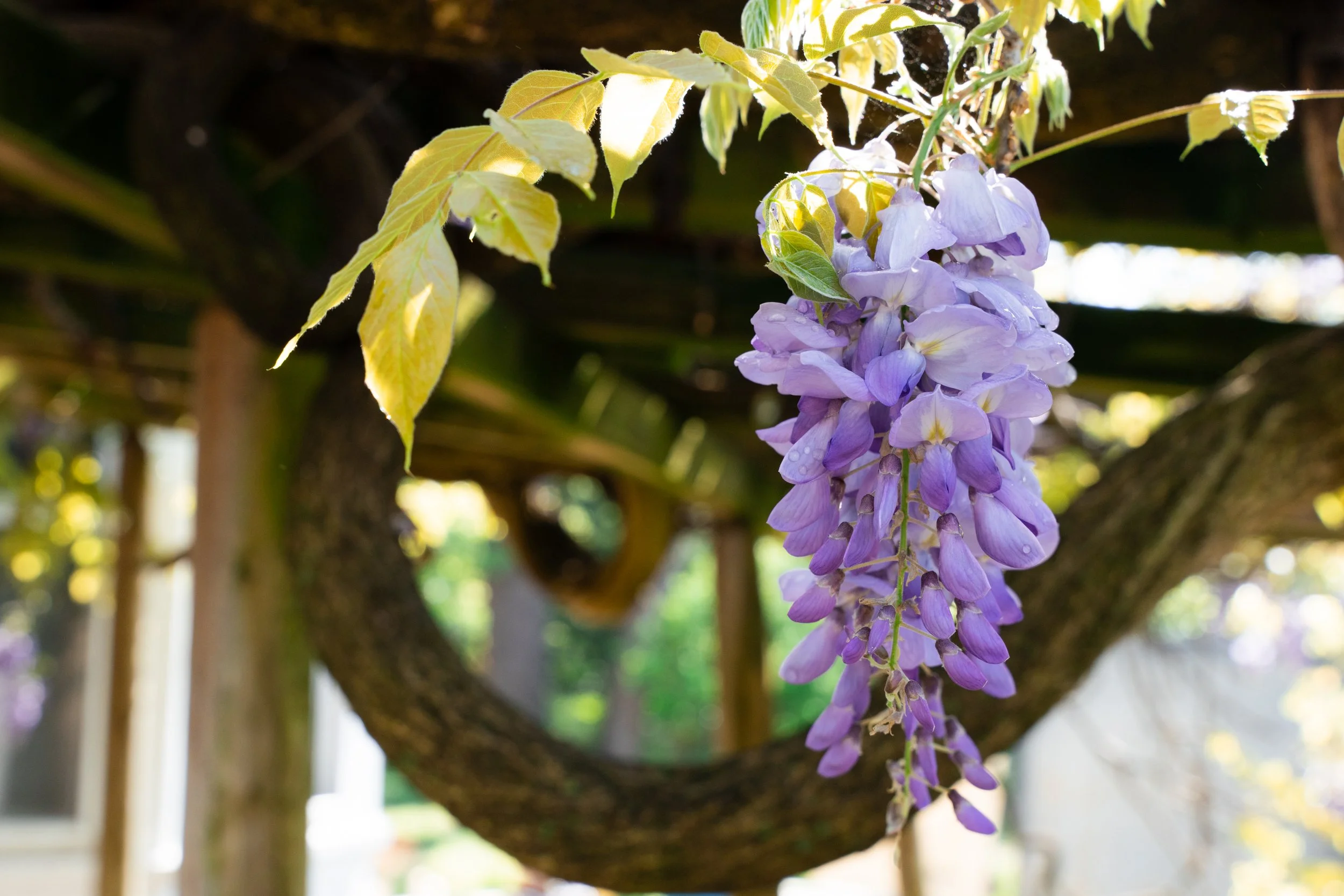
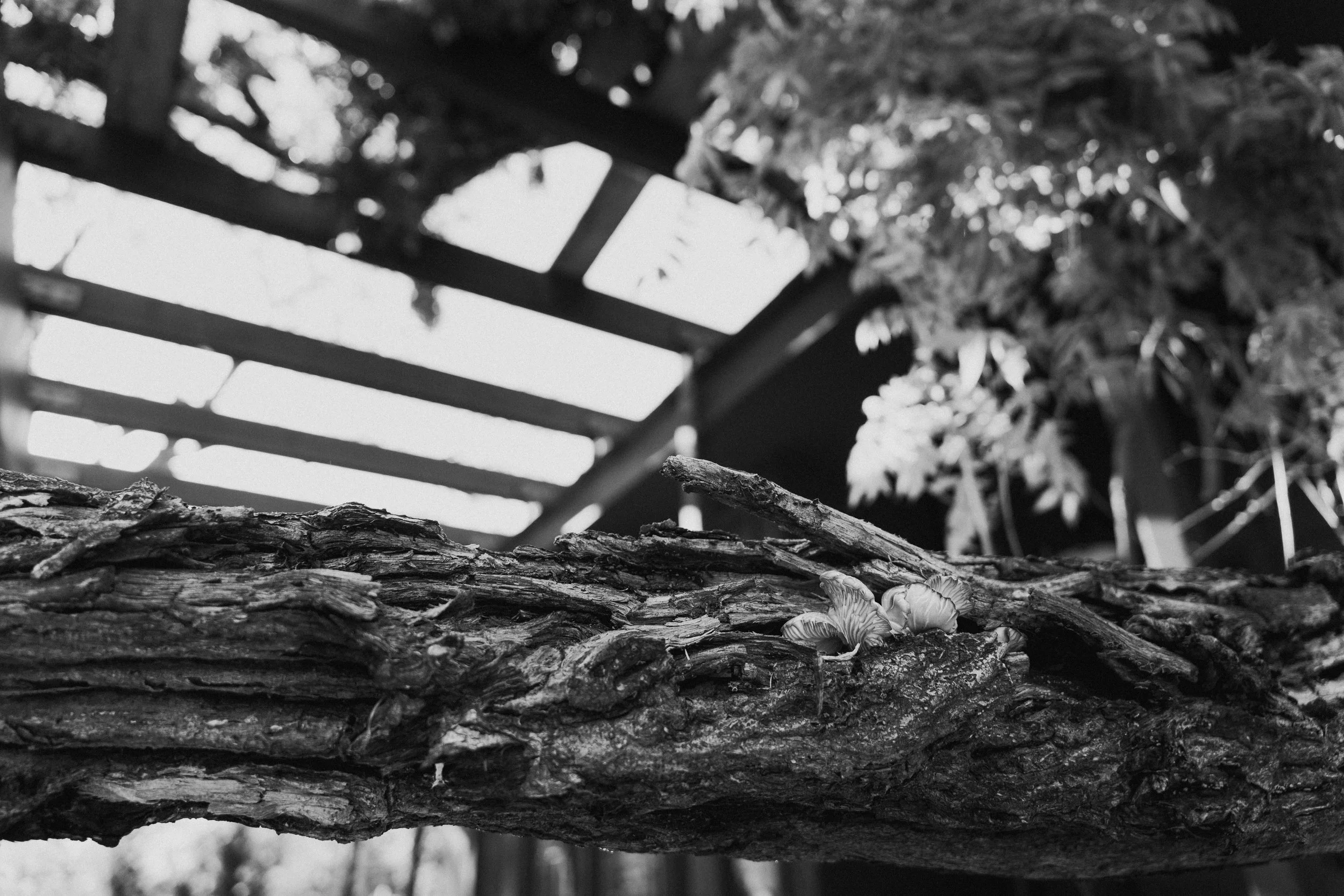
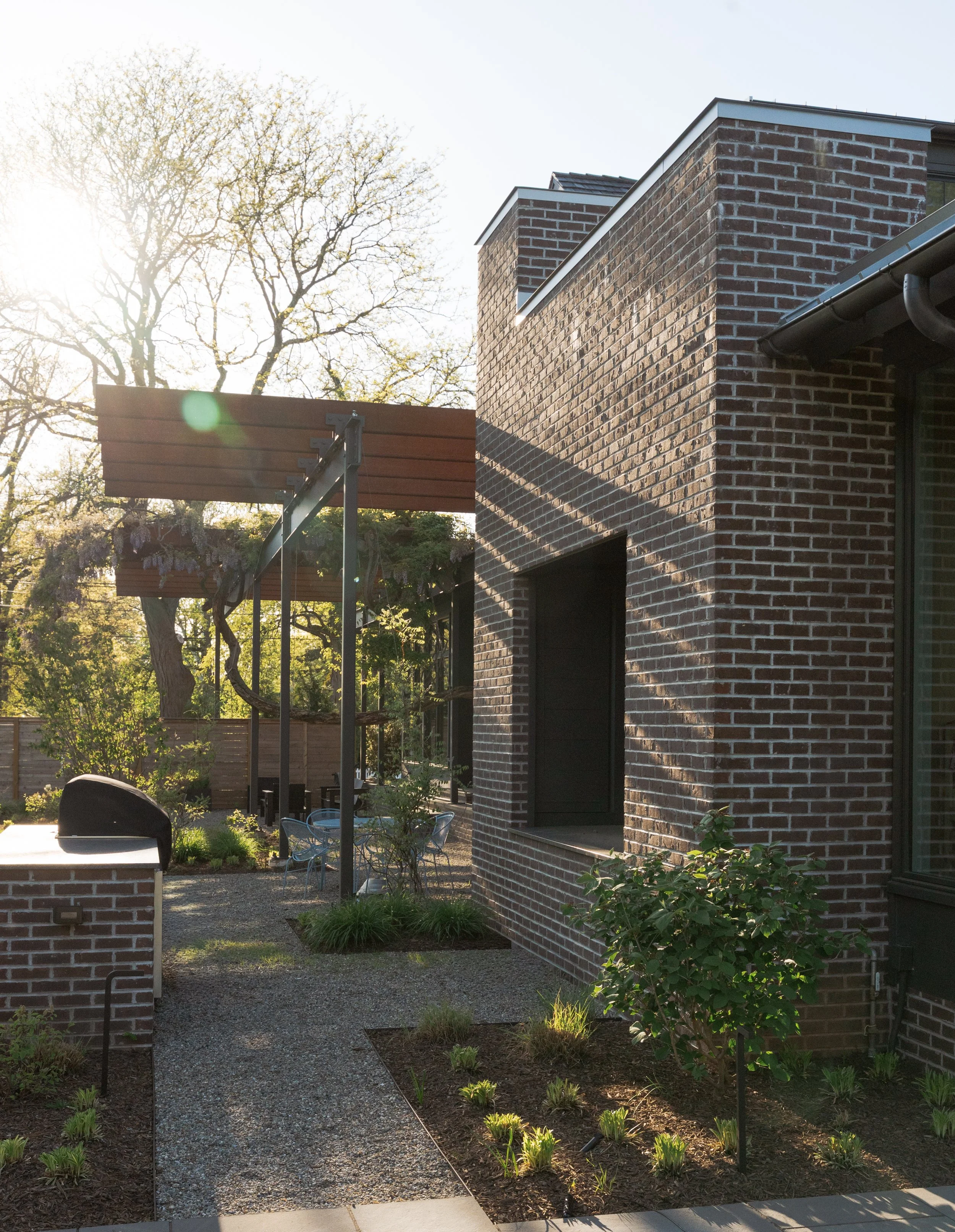
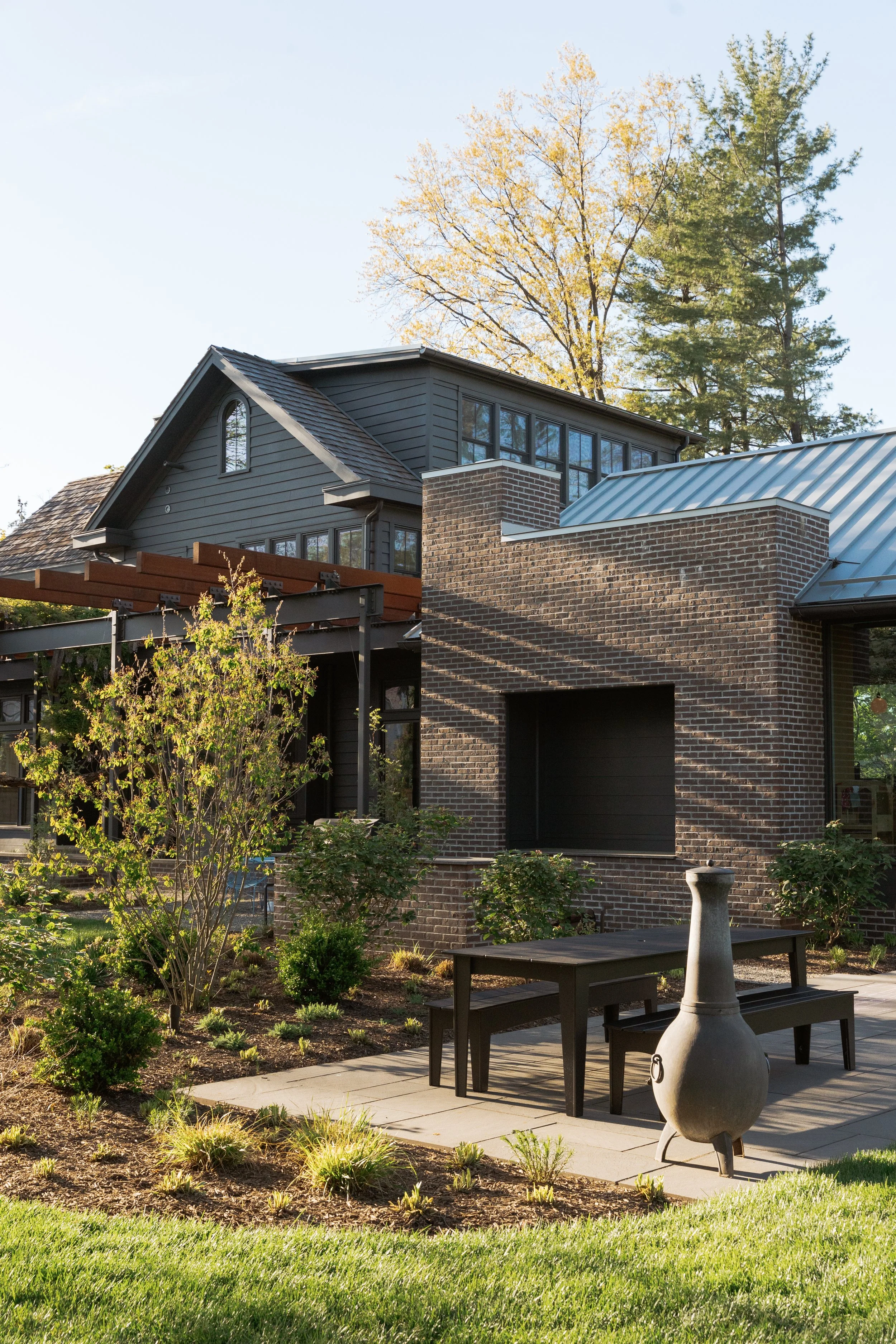
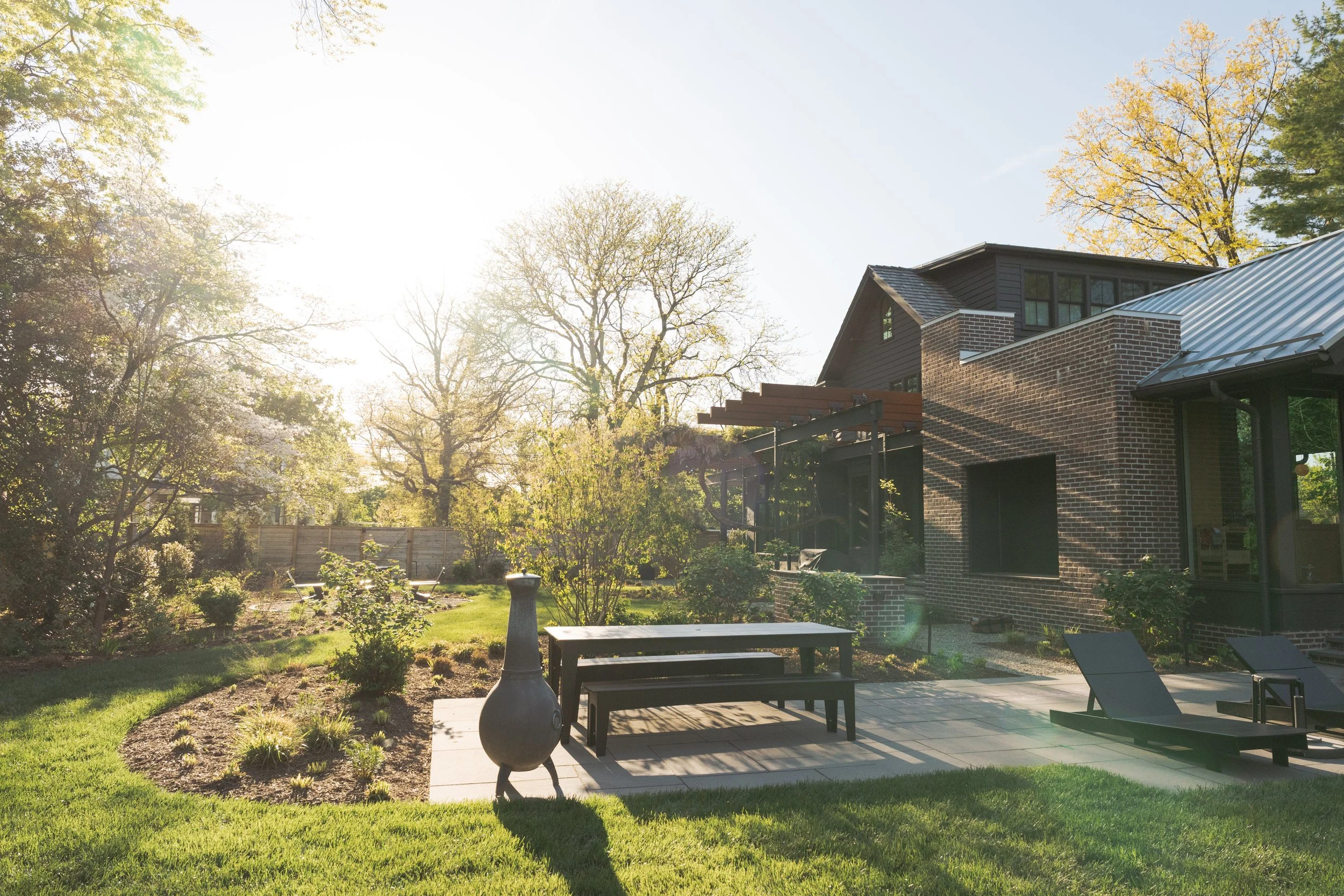
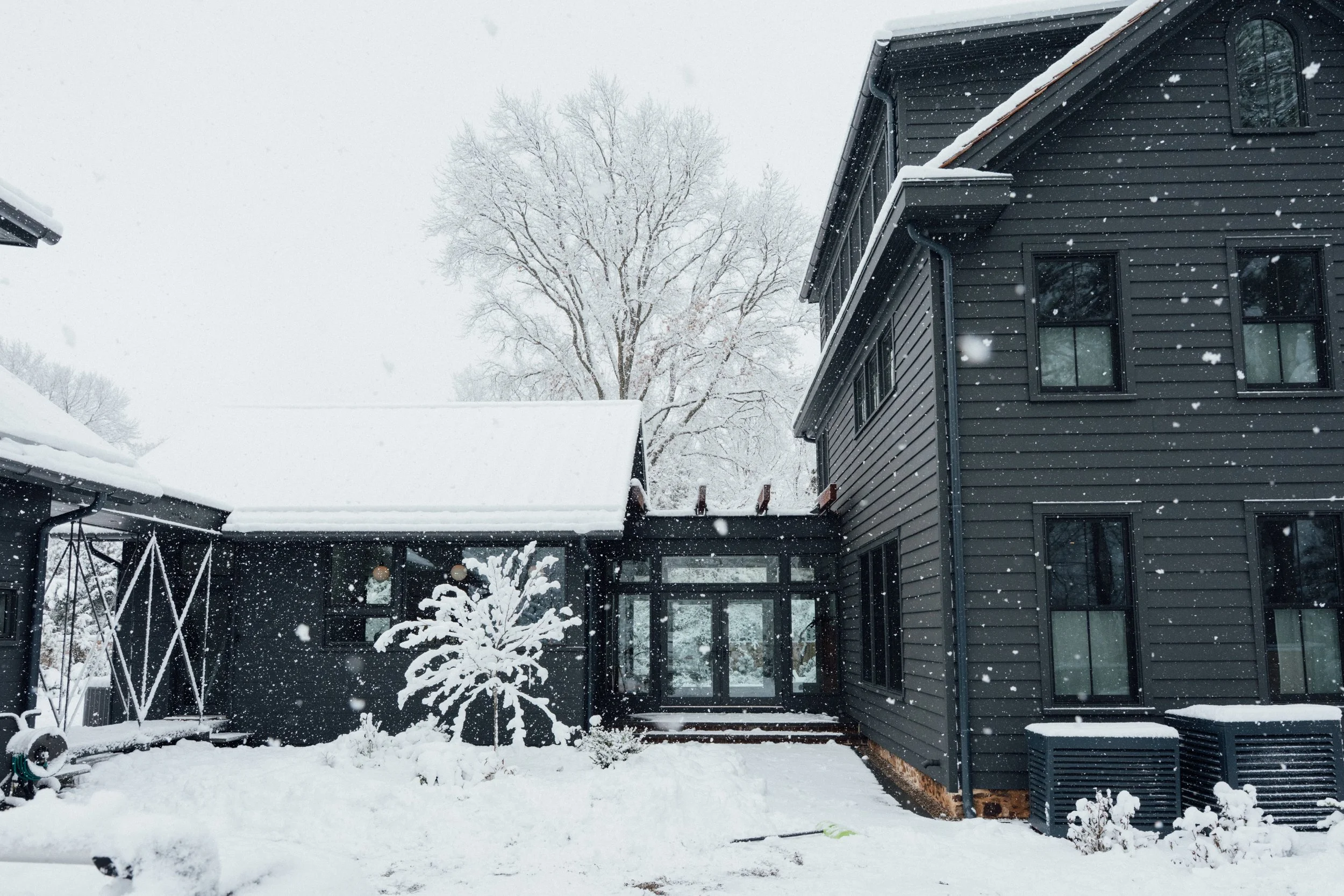
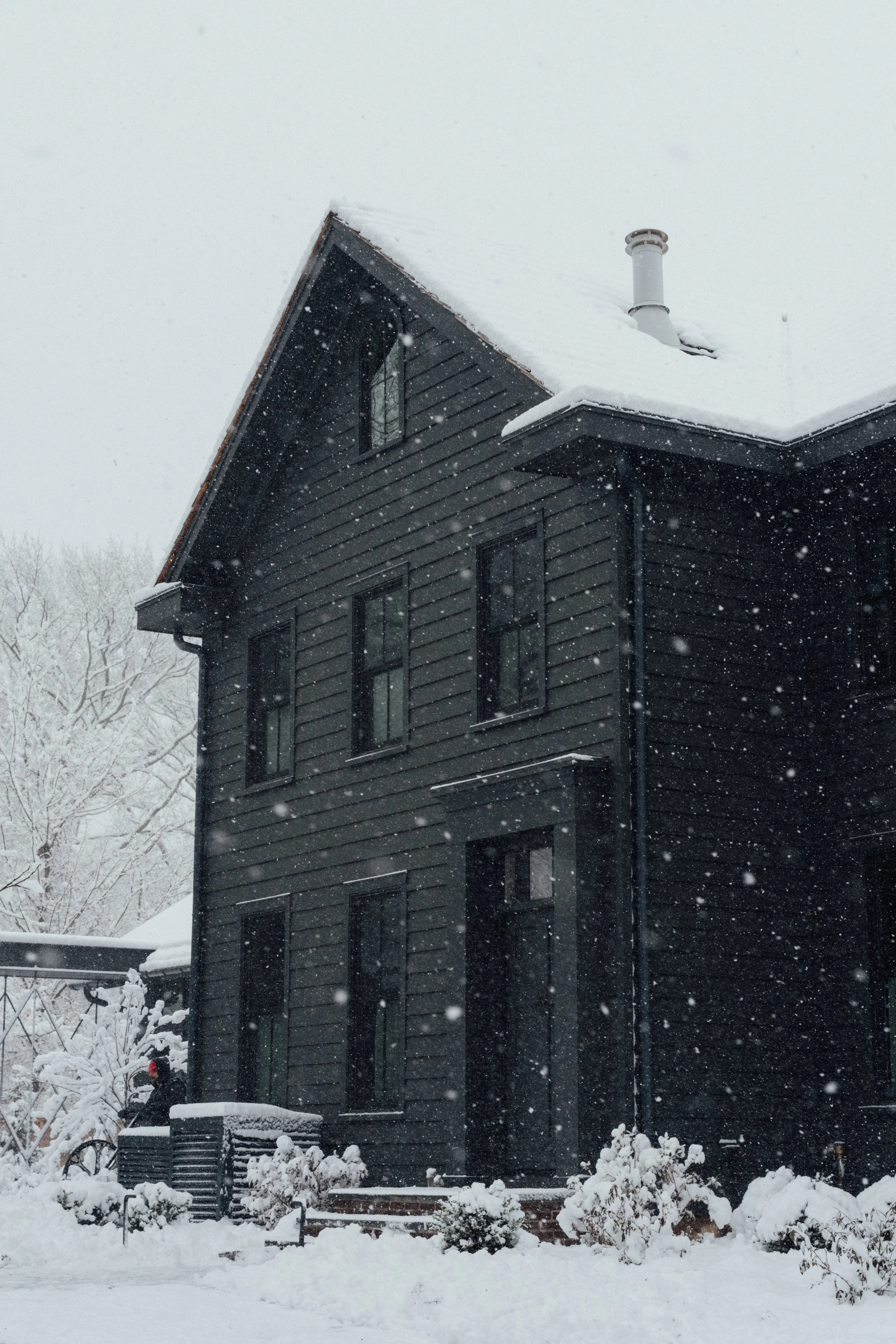
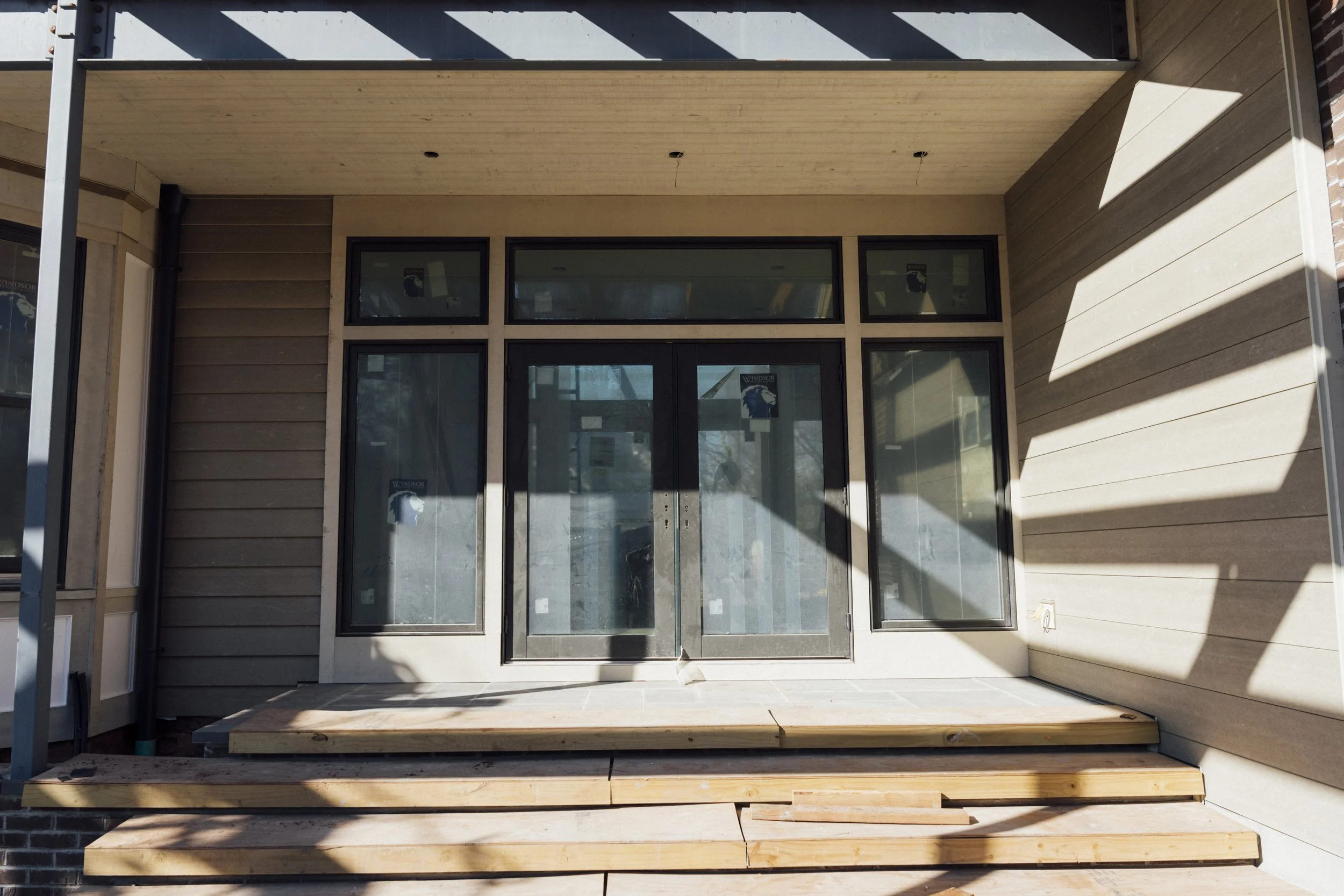
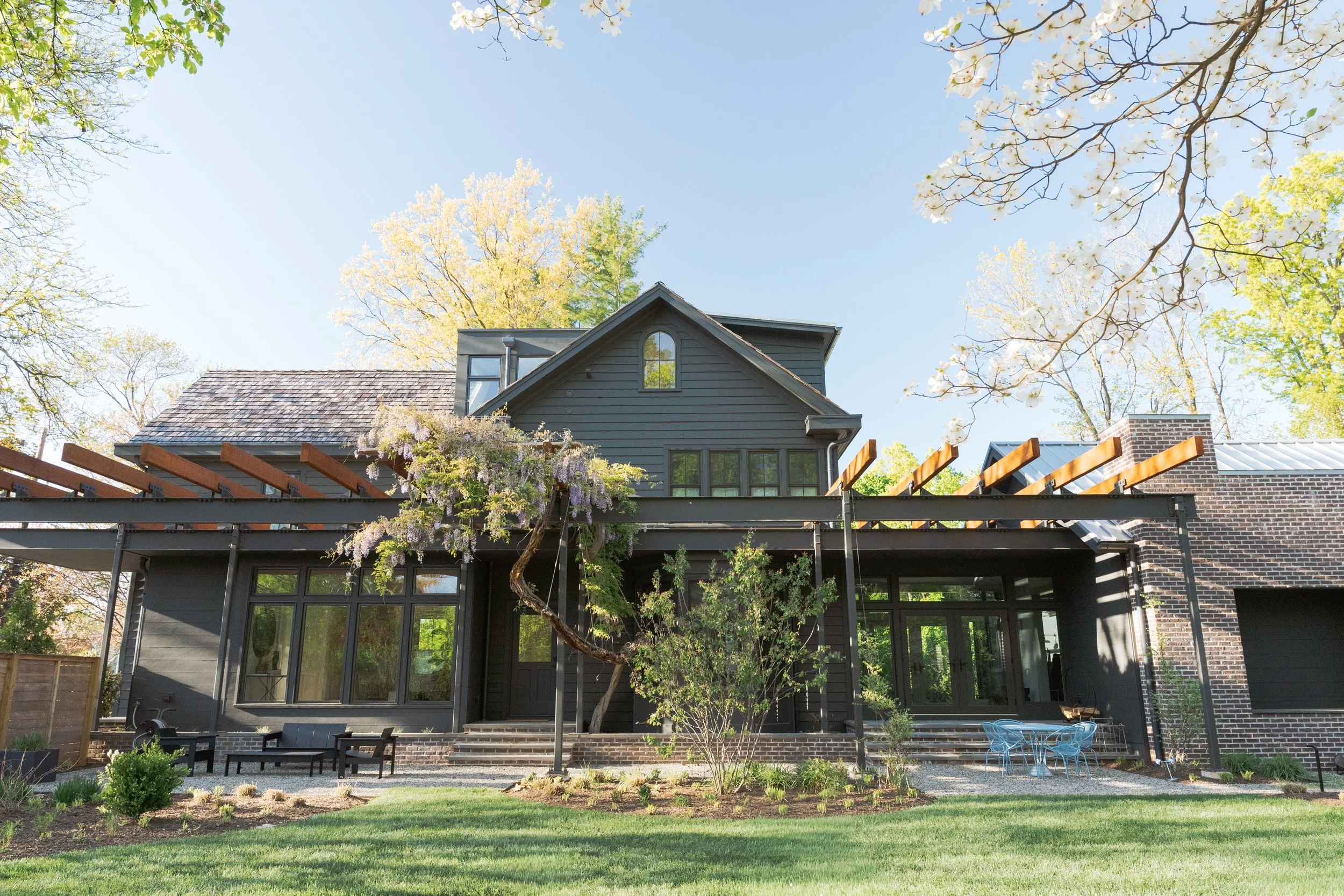
What emerged from the renovation is not a preserved artifact frozen in time, nor a sterile exercise in modern luxury. The completed home carries its history forward while fully embracing the present. Contemporary lines frame ancestral materials.
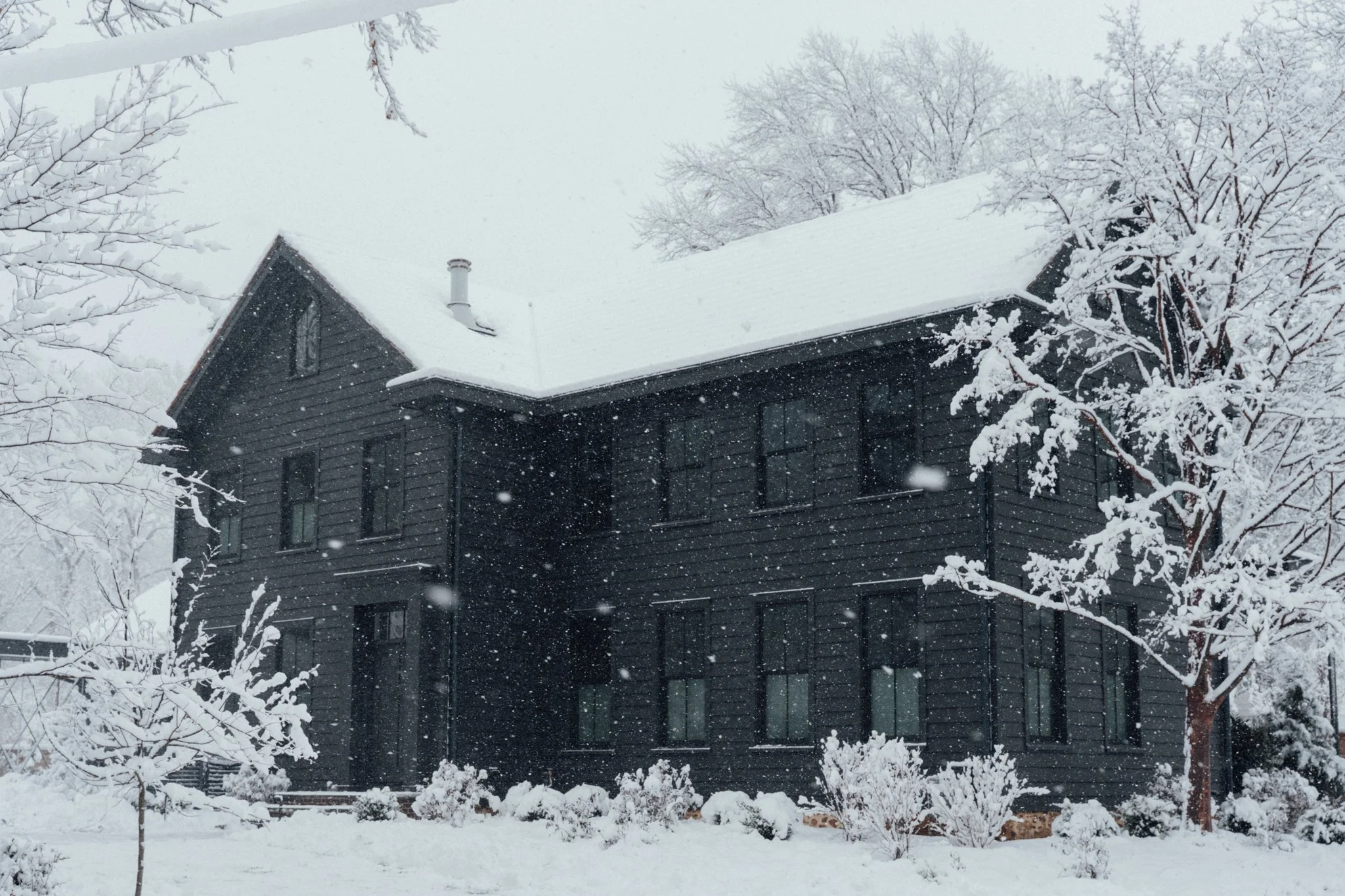
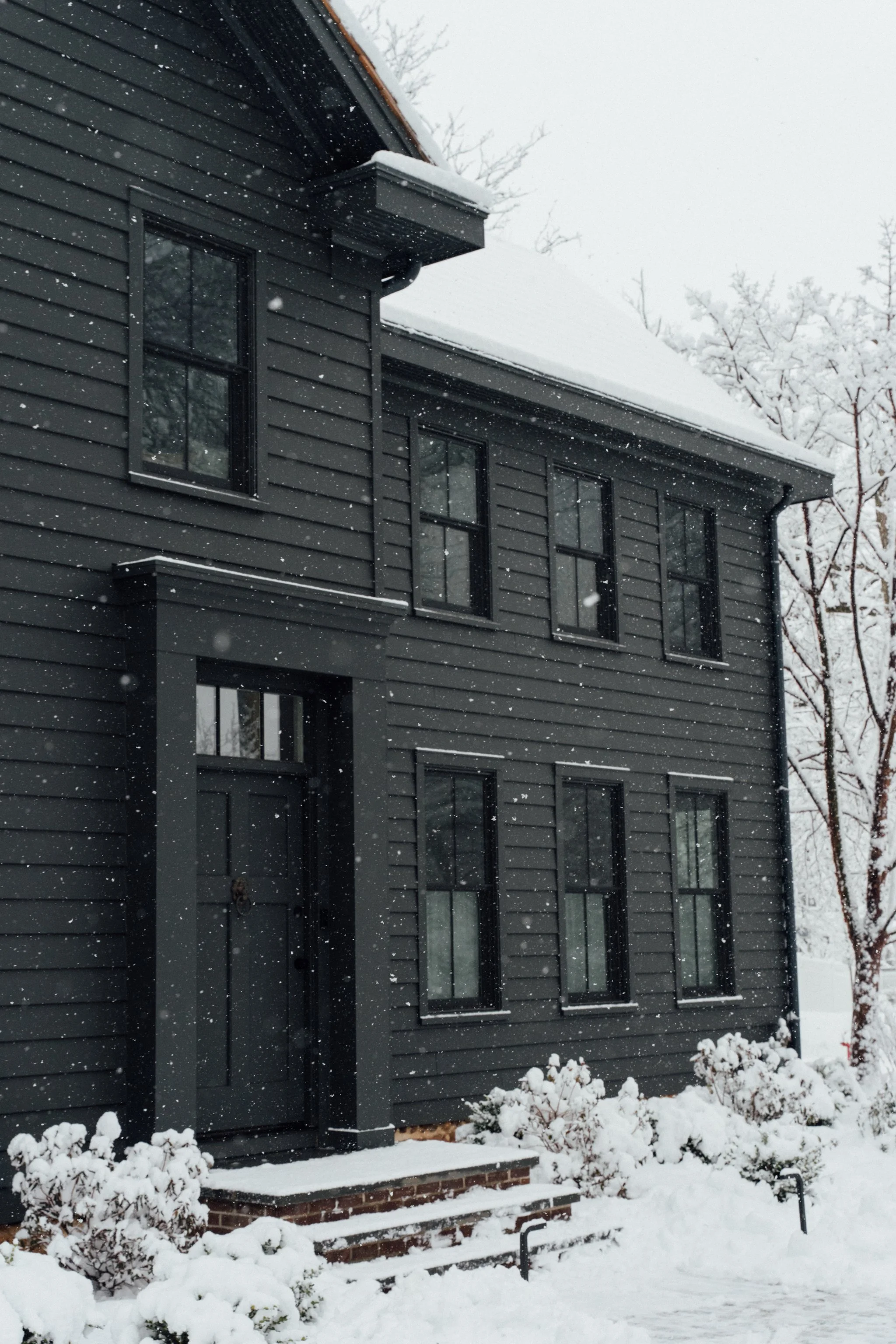
And perhaps most importantly, it is still unmistakably a family home.
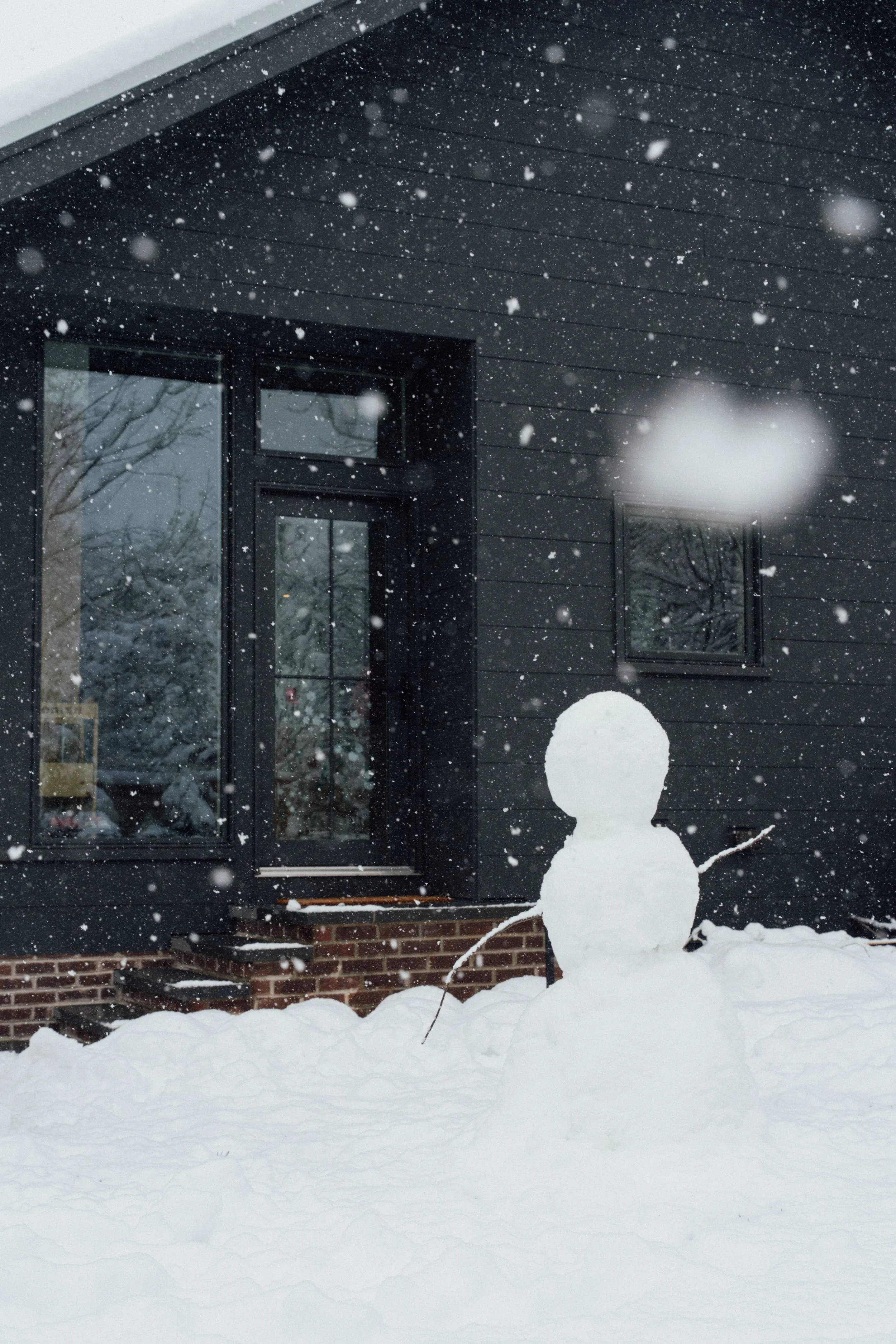
Children will play beneath the pergola. Sunlight spills across brick and newly planted gardens. The wisteria blooms again. The small playhouse remains in the yard by choice through my photo shoot — a reminder that the highest purpose of architecture is not perfection, but habitation. A house survives this long because people continue to fill it with ordinary life.
This assignment meant very much to me. From the beginning, Gideon spoke about supporting artists as something meaningful in its own right. There was an old-world generosity in the way he approached creative work — an understanding that art requires both time and trust. At one point very early in the project, he said something to me that has stayed with me ever since: “Here is some money. Go make art.”
That spirit shaped this collaboration. I wasn’t brought in simply to produce a set of final marketing images after construction was complete. I was invited to observe, document, interpret, and create over the course of more than a year — to pay attention to the changing light, the evolving materials, the structure slowly becoming a home. That kind of patronage feels increasingly rare, and I remain deeply grateful for it.